
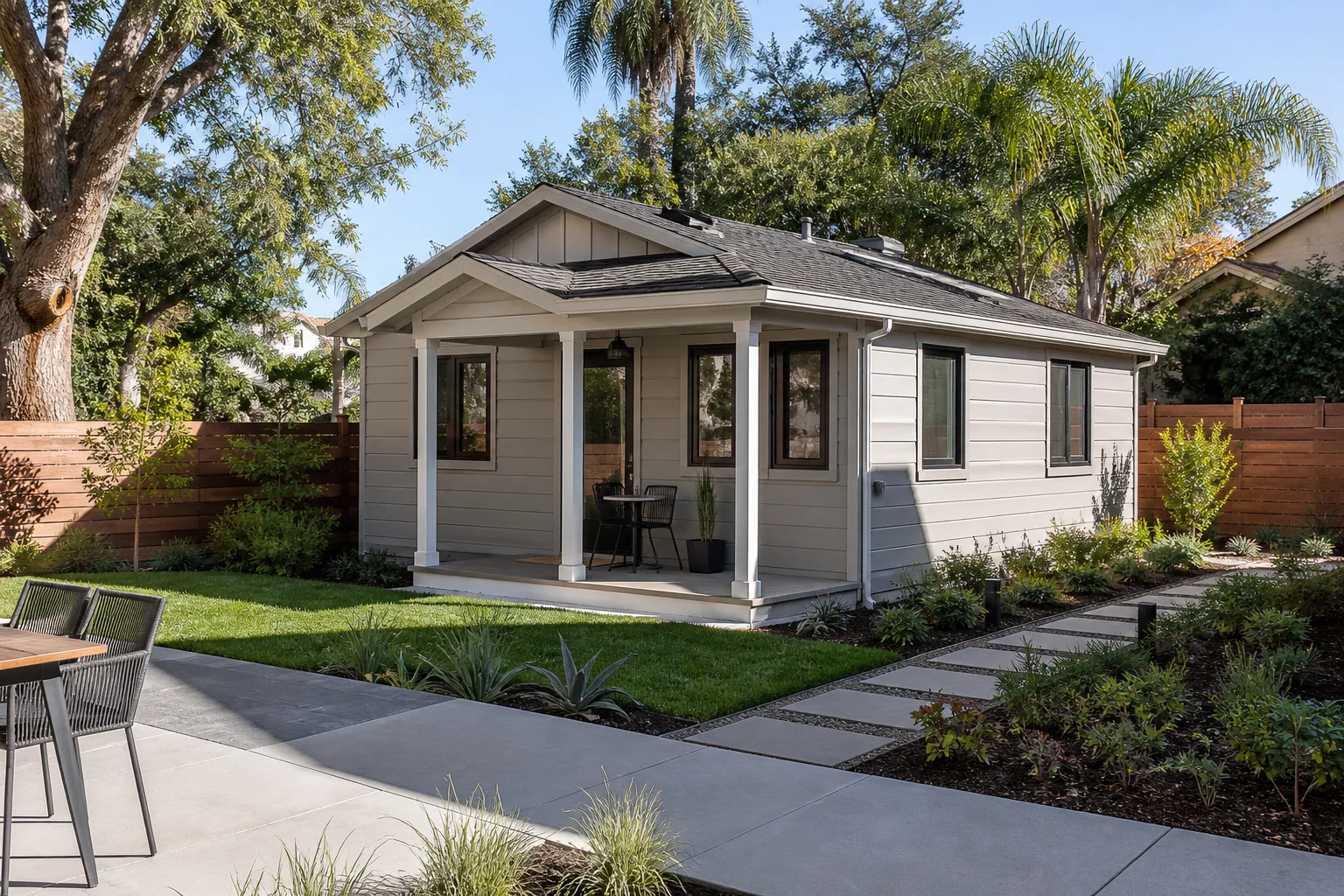
Free written scope consultation - allowances, timeline, and change-order rules on paper before a single trade is scheduled
Cambria Home Additions & ADU: The Dallas Owner’s Guide
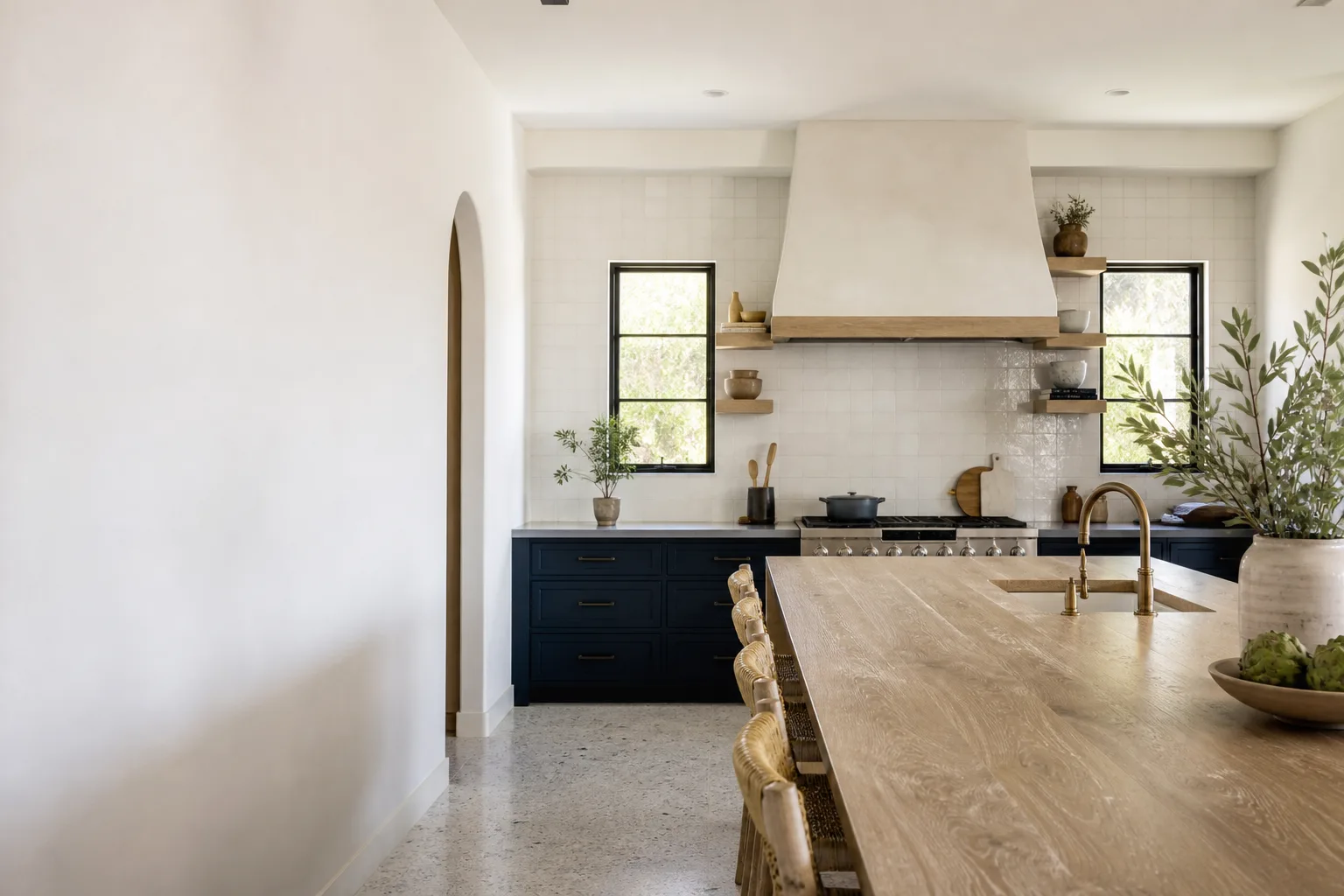
If you’re planning a home addition or ADU in Dallas and want Cambria quartz surfaces in the new space, the installed cost typically runs $45,000 to $130,000 depending on square footage, foundation work, and finish level. We stock and install Cambria-compatible materials on every addition project, and we can usually start the design and estimate process within a few days of your first call. Most Dallas homeowners discover this isn’t a “part” problem at all – it’s a planning problem: they bought Cambria slabs first, then realized the addition’s subfloor, rough-in plumbing, or electrical placement doesn’t line up with where the Cambria needs to sit.
The truth is, “Cambria home additions” usually means one of two things: either you’re adding square footage and want Cambria countertops, waterfall islands, or backsplashes specified into the build, or you’re converting an existing space into an ADU and the Cambria surfaces need to be templated around code-required clearances, window egress, and kitchenette dimensions that a general remodel doesn’t face. We handle both, and we template the Cambria after the rough framing and mechanicals are set – never before.
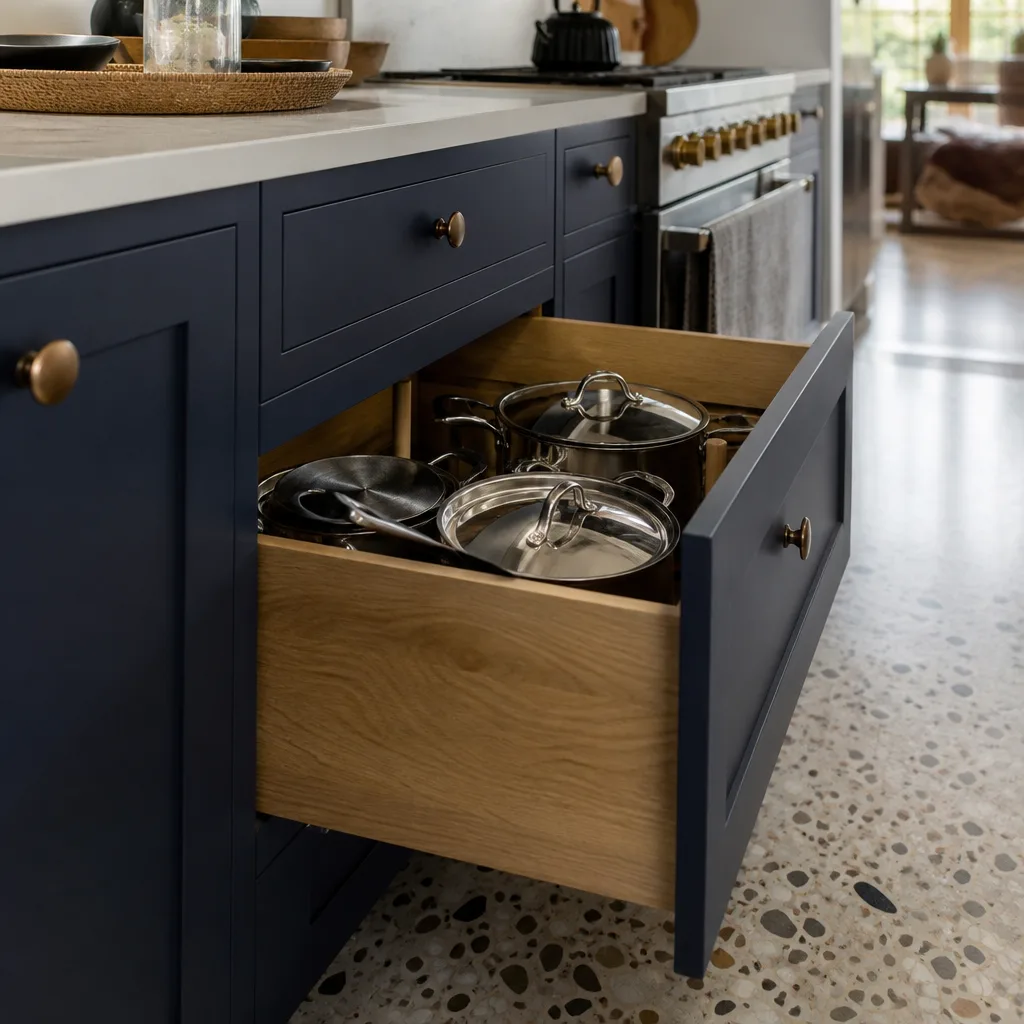
Isaac Pruett walks every addition site himself before work starts. He learned a long time ago that a beautiful Cambria slab means nothing if the cabinets underneath are out of square by three-eighths of an inch across a twelve-foot run. In Dallas, we also contend with clay soil movement, so we account for slab settling when we set the cabinet bases before the quartz goes on top. That’s the kind of detail that prevents a cracked countertop seam two years after the final walkthrough.
Key Takeaways:
- Dallas additions and ADUs with Cambria surfaces typically cost $45,000 – $130,000 installed.
- Cambria should be templated after framing, plumbing rough-in, and electrical placement are finalized – sequencing matters.
- Mason Remodeling Co Dallas is an independent remodeling firm, not a Cambria distributor, so we specify and install the material without being tied to any one vendor’s stock.
- Written pricing before work starts, and a 365-Day Done Right Promise on the completed project.
Which Cambria Models This Applies To
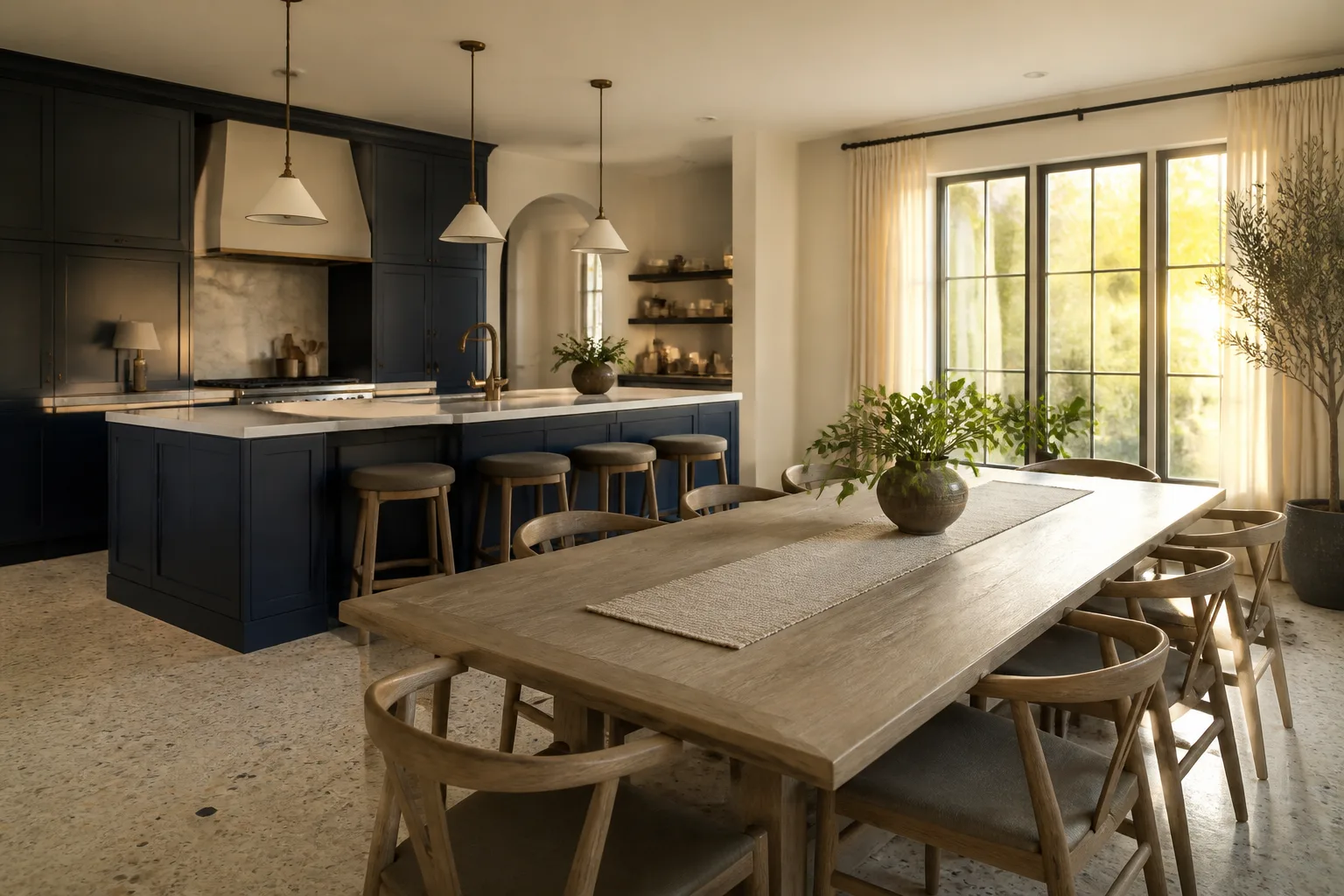
Cambria’s product line breaks into a few families – the Marble, Quartz, and Coastal collections being the most common in Dallas additions. Most homeowners building an ADU gravitate toward the Marble collection for kitchenette counters, because the veining hides seams better in a compact space. The slab thickness options matter here: Cambria comes in 2 cm and 3 cm slabs, and the thinner slabs need a subtop or laminated edge profile to look right on a free-standing island. If you’re doing a waterfall edge on a kitchen island in a new addition, 3 cm is the standard choice and handles the cantilever better.
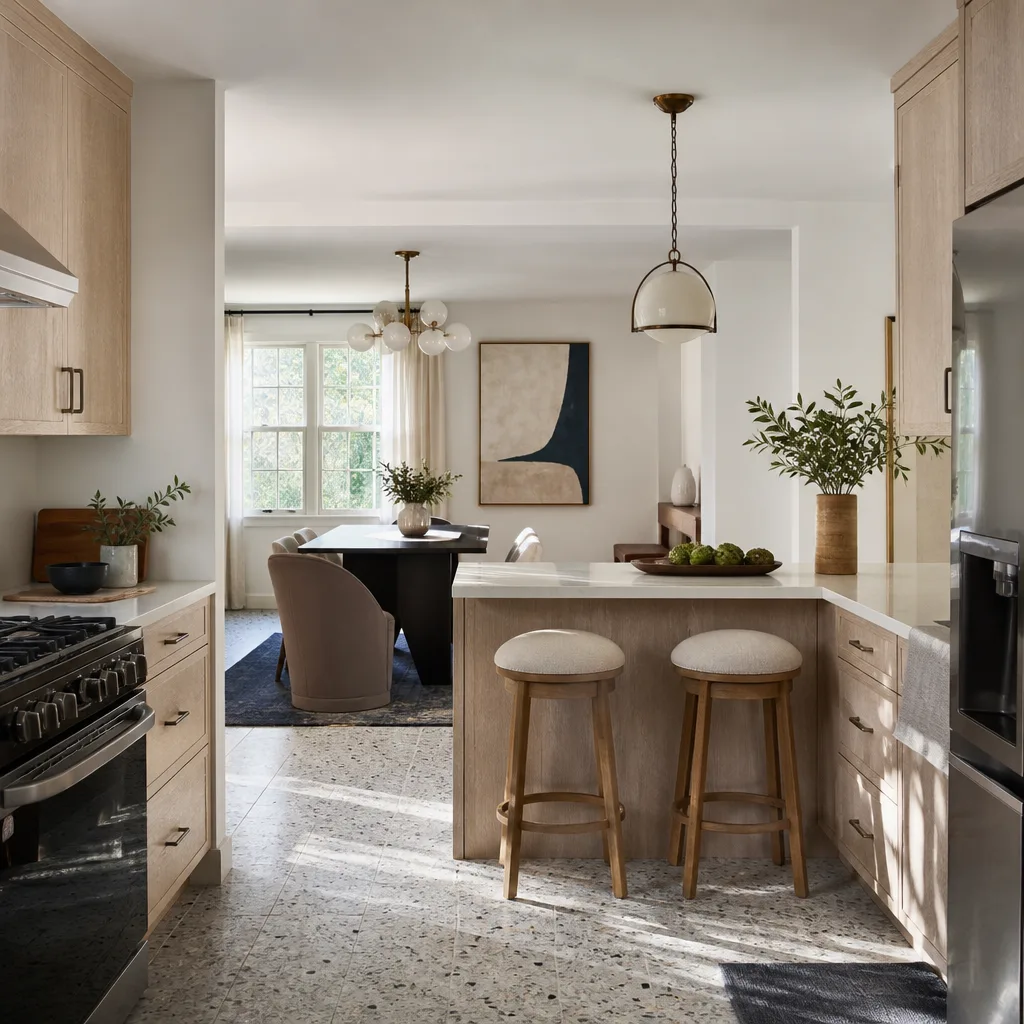
One compatibility gotcha we see regularly: Cambria slabs are jumbo format, typically 65.5 inches by 132 inches, which means an addition with a 12-foot island can often be cut from a single slab with the right seam placement – but only if the island is designed with that slab dimension in mind before the cabinets are ordered. If the island cabinet run is 144 inches, you’re into a two-slab job and you’ll have a seam. Plan the island length at 132 inches or less if you want a seamless top. We work with Dallas homeowners on this during design, because changing a cabinet order after it ships costs more than the Cambria itself sometimes.
For ADU kitchenettes and bathroom vanities, the Cambria remnant market in Dallas is worth knowing about. Remnant pieces from jumbo slabs often work for a 48-inch vanity or a compact kitchenette counter, and that can cut the material cost meaningfully. We also stock and install KraftMaid, Silestone, and Kohler products for these projects, so if you want Cambria counters sitting on KraftMaid cabinetry with Kohler fixtures, we can specify and install the whole package without juggling three vendors.
Styles & brands we work with







Signs Your Cambria Home Additions & ADU Is Failing
This isn’t a part that “fails” the way a water heater dies – it fails slowly, and usually because of something underneath or around the Cambria shifting. Here’s what we see in Dallas additions:
- Seam separation or uneven countertop joints. Clay soil movement under the addition’s slab causes the cabinet bases to drift, which pulls the Cambria seams apart. You’ll see a hairline gap that grows over a season.
- Cracked slab edges near the cooktop or sink cutout. Cambria is hard, but a 2 cm slab with a bad substrate or an over-tightened sink clip will crack at the narrowest point. This is almost always a substrate or installation problem, not a Cambria defect.
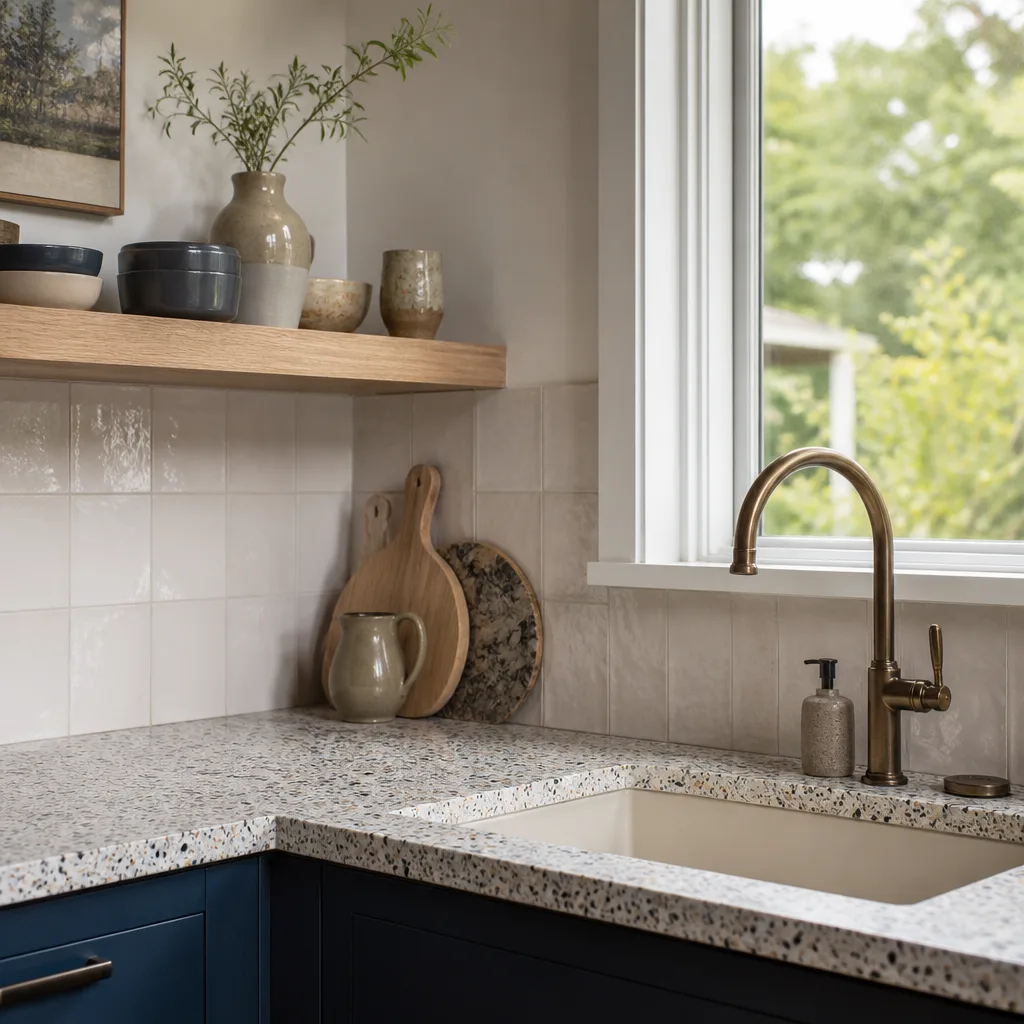
- Water staining or silicone failure at the backsplash joint. Dallas humidity swings make silicone joints work hard. When the silicone fails, water gets behind the slab and into the drywall or cabinet run, and you’ll see discoloration at the seam.
- Door or window binding in the addition. If the new space’s doors stick or windows won’t open cleanly, the framing has moved. That movement is what jeopardizes countertop seams and tile work later.
- Cambria overhang sag on islands with no corbel support. A 12-inch overhang is fine unsupported on 3 cm Cambria; a 15-inch overhang is not. We see cracked corners on unsupported overhangs in Dallas constantly.
See the difference
 Before
 After
After Before
 After
After Before
 After
AfterReplacement Cost & What’s Included
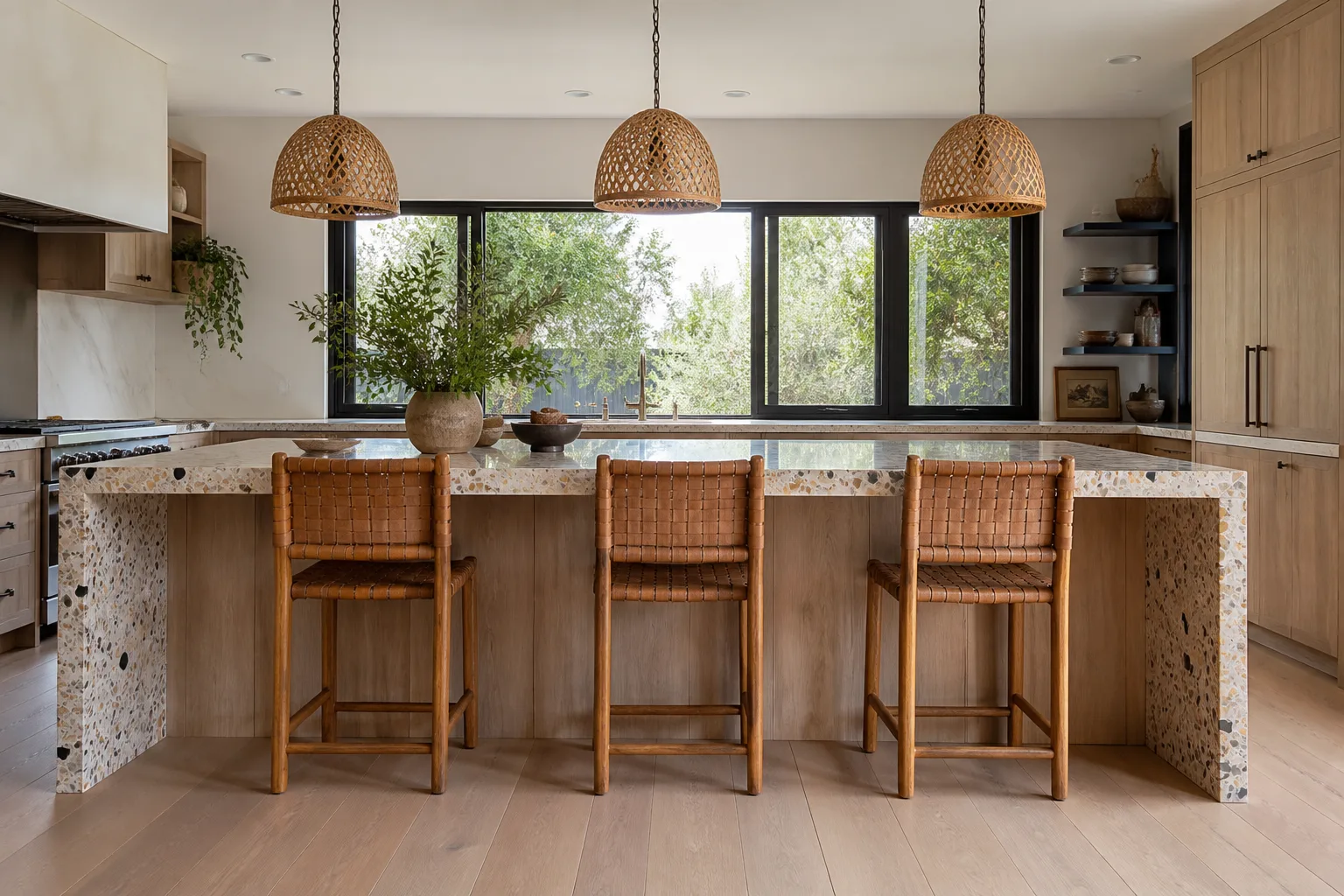
A full home addition or ADU in Dallas with Cambria surfaces specified runs $45,000 to $130,000. The spread comes down to square footage, whether you’re adding a bathroom or kitchenette, foundation type (pier and beam vs. slab-on-grade), and the Cambria collection you choose. A detached ADU with a full kitchen and bath starts around $90,000 and can reach $220,000 with high-end finishes and utility trenching.
| Project | Dallas Price Range |
|---|---|
| Home Addition (with Cambria surfaces) | $45,000 – $130,000 |
| ADU Construction | $90,000 – $220,000 |
| Garage Conversion (with Cambria kitchenette) | $30,000 – $80,000 |
| Countertop Installation (Cambria, 2 cm or 3 cm) | $2,000 – $6,500 |
| Kitchen Island Installation (with Cambria top) | $3,000 – $10,000 |
Every price we give is written, line-item, and delivered before work starts. You’ll see the Cambria slab cost, fabrication, templating, installation labor, and any subtop or edge-profile work broken out separately. The 365-Day Done Right Promise covers the completed project – if something isn’t right within a year, we come back and make it right at no charge. No disputing, no conditions.
DIY or Call Us?
Cambria slabs weigh roughly 12 to 14 pounds per square foot, so a 65.5-by-132-inch slab runs around 700 to 850 pounds. That’s not a forklift-and-hope situation; it’s a two-person minimum with proper suction cups and a clear path. If you’re adding square footage and just want to check things before anyone swings a hammer, you can walk the site and confirm your existing foundation is level within a quarter inch, your cabinet run is square, and your electrical and plumbing rough-ins are where the Cambria needs them to be. Those checks will tell you whether your contractor is ready for templating.
What you shouldn’t do is attempt to cut, polish, or seam a Cambria slab yourself. Quartz is harder than granite on the Mohs scale, and the dust from cutting it is silica-heavy – it needs a wet saw with proper ventilation. And when a countertop install goes wrong, the slab is destroyed. There’s no re-cutting a bad sink cutout. If any of this feels like more than a weekend project, call us at (432) 302-8761 and we’ll walk the site with you and give you straight numbers.
FAQs
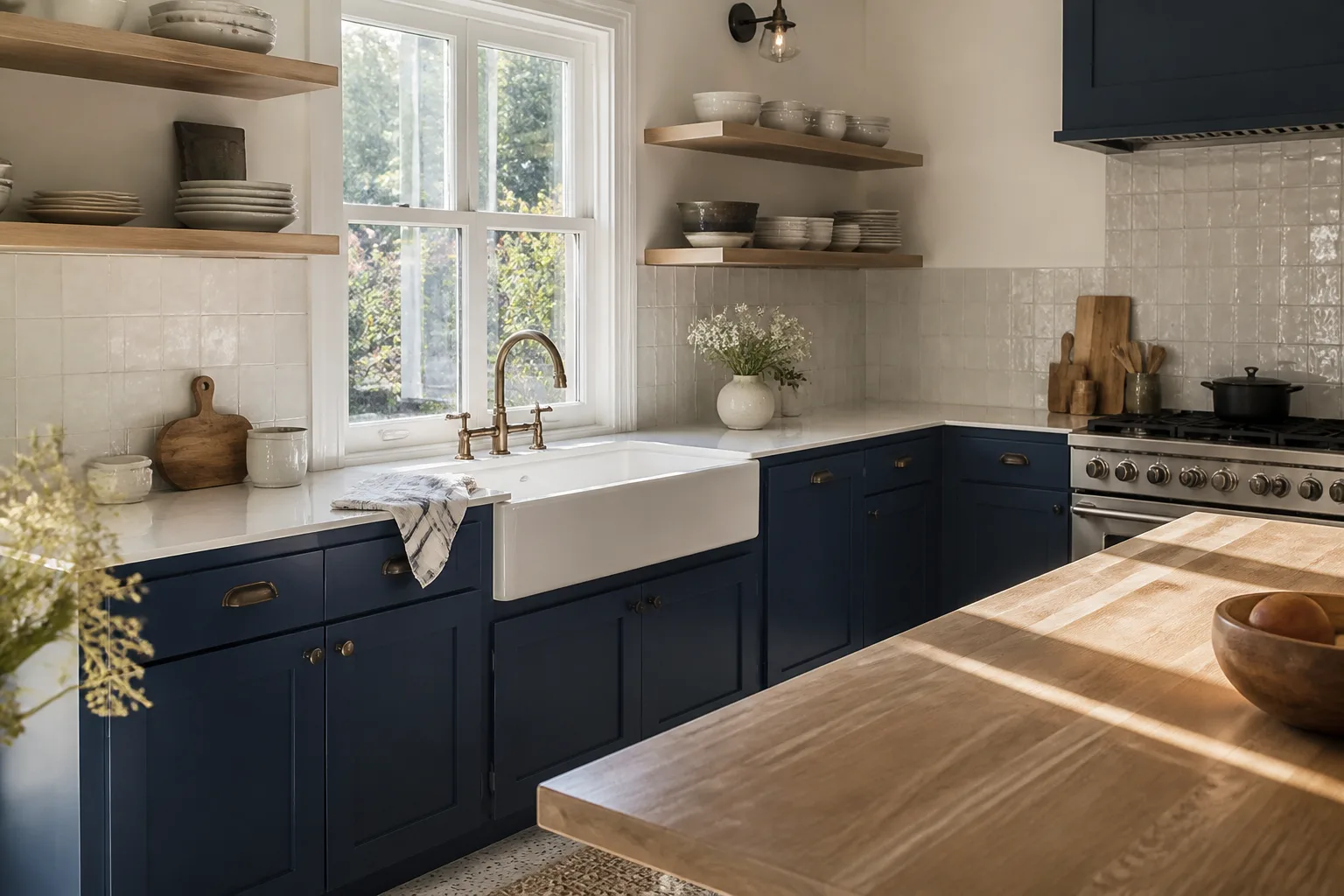
Plan for 4 to 10 months depending on scope, permits, and weather. A straightforward single-room addition with Cambria counters can be done in 3 to 4 months; a full detached ADU is usually 8 to 12 months. Dallas permitting timelines vary by neighborhood and whether you’re in a historic district. Call (432) 302-8761 and we’ll give you a realistic schedule based on your specific project.
Sometimes. A separated seam can be pulled and re-bonded. A small chip can be filled with color-matched resin if the piece is recovered. But a cracked slab – especially a crack that runs through the sink cutout – usually means replacement. The material itself is the issue; once quartz fractures, the structural integrity is gone. We’ll tell you honestly which one you’re looking at.
After templating, fabrication typically takes 5 to 10 business days, and installation is a one-day job. We schedule templating only after the cabinets are set, the sink and faucet are on site, and the plumbing rough-in is locked. In Dallas, we’ve seen homeowners wait months for a template appointment because their contractor didn’t coordinate the sequencing.
We don’t stock Cambria slabs in a warehouse – we order from Dallas-area Cambria distributors by slab lot number when we finalize your design. We handle the entire order, fabrication, and installation process, so you’re not coordinating between a stone yard, a fabricator, and a general contractor. If you want to compare collections, we’ll bring samples to your site during the design phase.
You should know who is coming, what it costs, and what happens if something goes wrong – before we ever pick up a tool. Call (432) 302-8761 to schedule a free estimate for your Cambria home addition or ADU in Dallas. A live person answers, every time.
Written by Isaac Pruett, Owner, Mason Remodeling Co Dallas at Mason Remodeling Co Dallas, serving Dallas and nearby areas.


