
Free written scope consultation - allowances, timeline, and change-order rules on paper before a single trade is scheduled
Jerith Home Additions & ADU: The Dallas Owner’s Guide
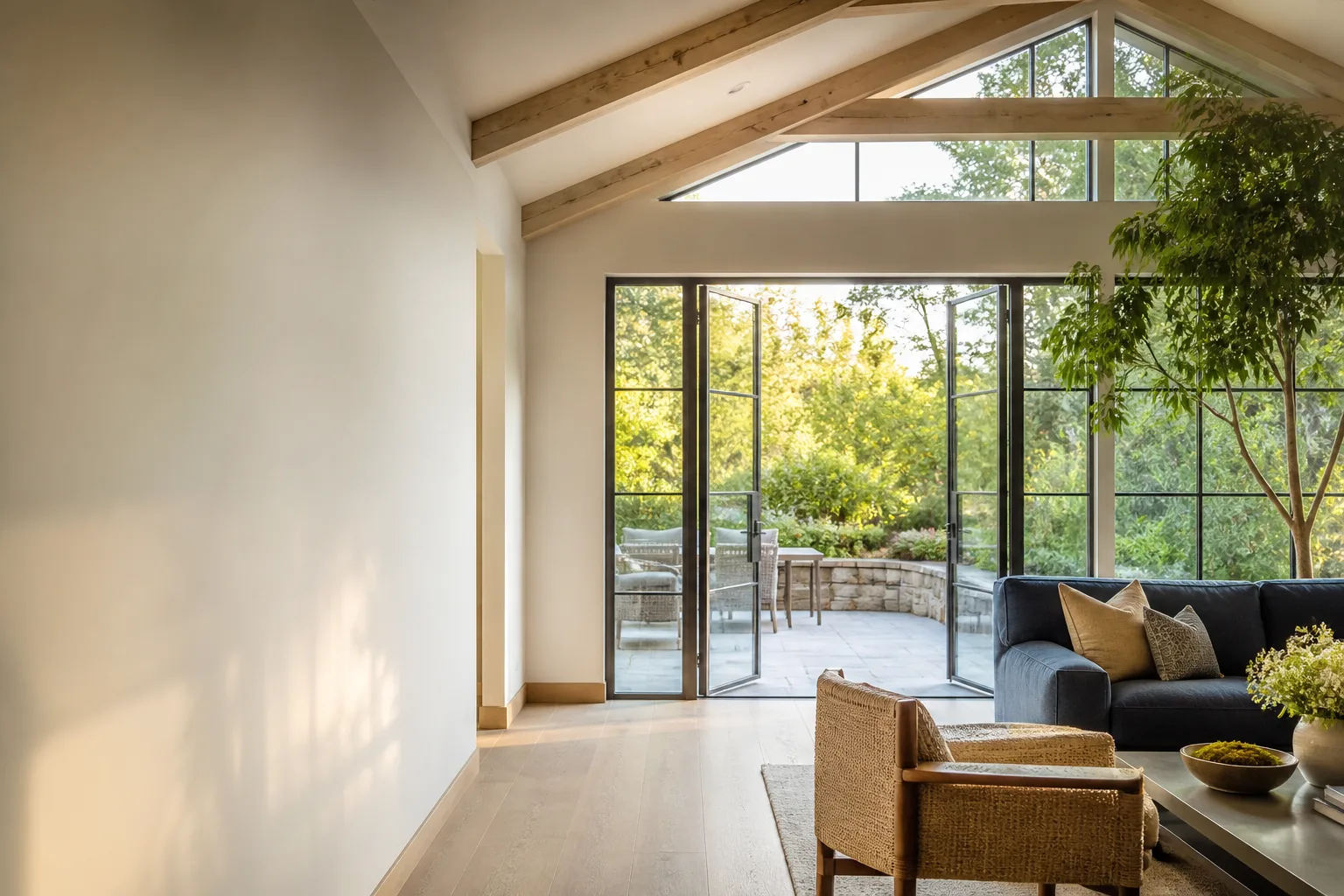
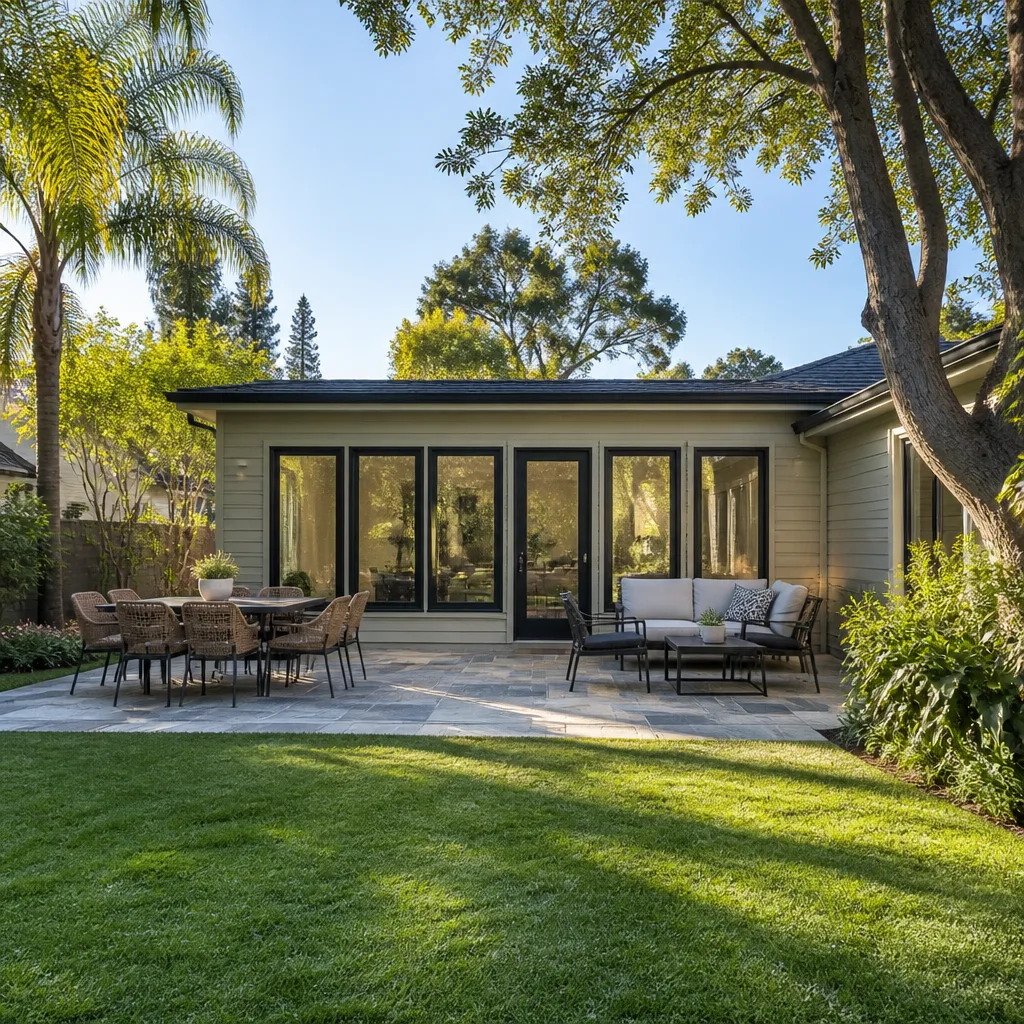
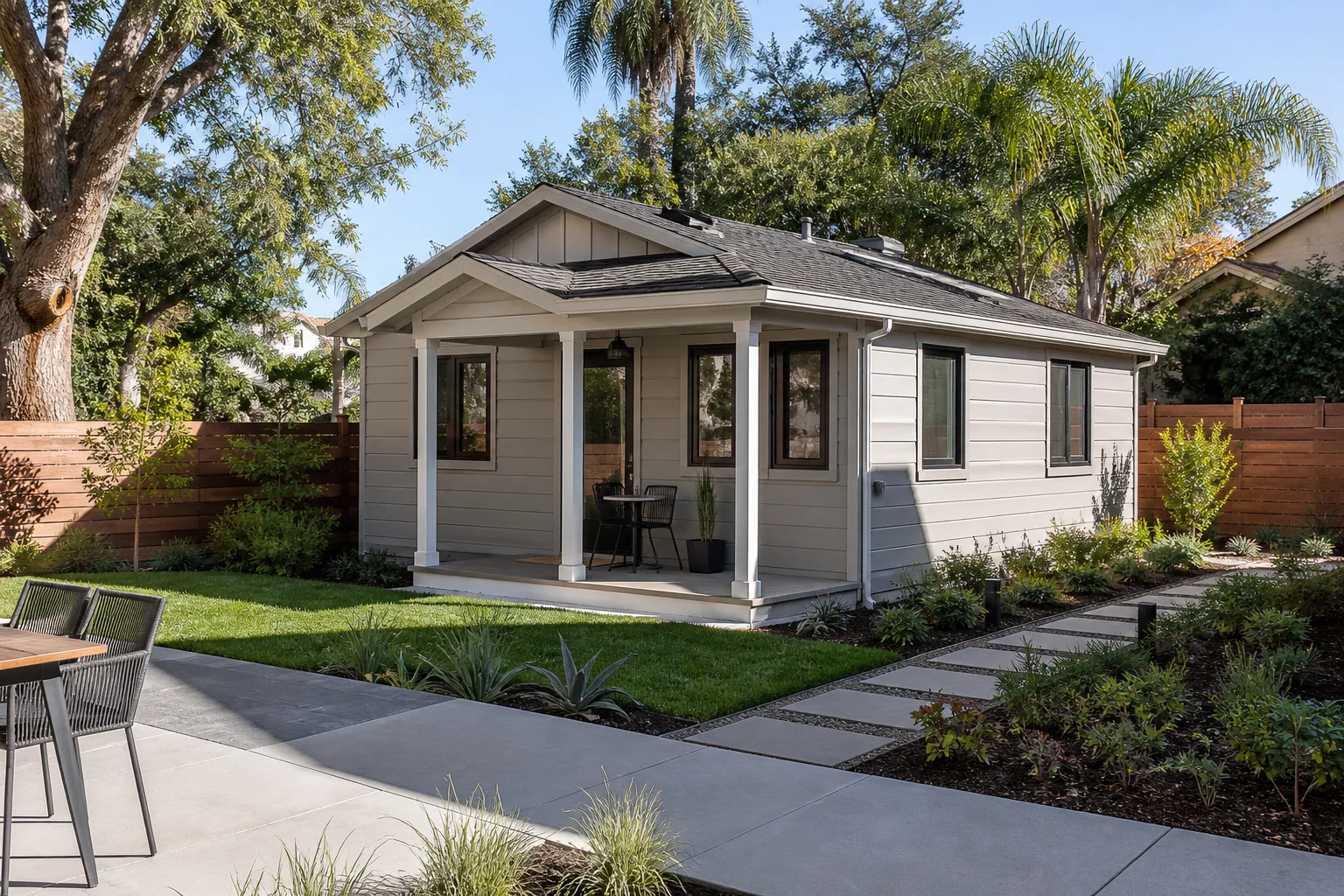
If you own a Jerith fence or gate system in Dallas and need a home addition or ADU built around it, we handle the full job: fence modification, gate relocation, foundation work, and the addition itself. Installed home additions in Dallas run $45,000 to $130,000, and ADU construction lands between $90,000 and $220,000 depending on square footage, site prep, and utility connections. Most owners discover their Jerith gate posts or fence sections need moving when the addition footprint overlaps existing lines, and the gate that worked fine at the old property line now swings into where the new bedroom wall is going.
We’re an independent contractor, not affiliated with Jerith, but we work with their aluminum and steel fence systems regularly enough to know exactly how the post spacing, hinge brackets, and gate hardware need to be reworked when construction changes your property lines.
Which Jerith Models This Applies To
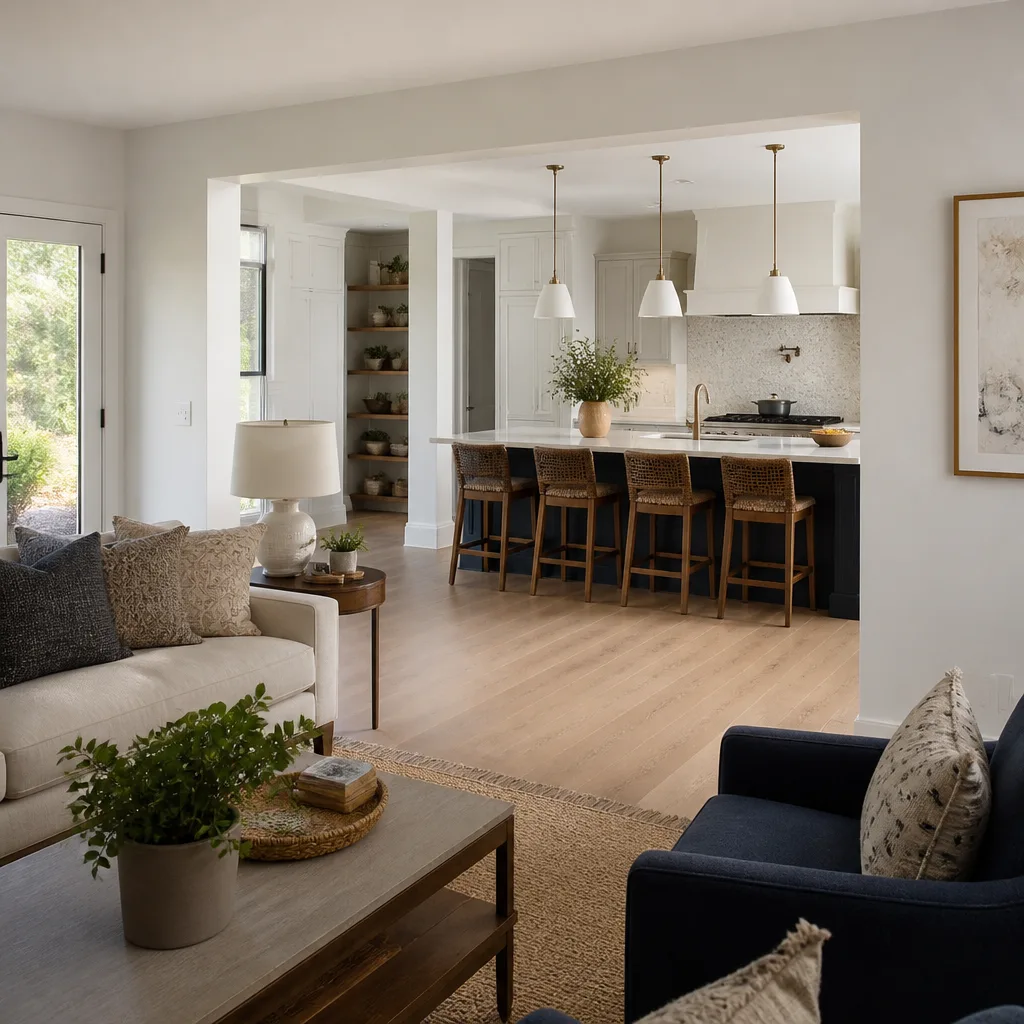
Jerith makes residential and commercial aluminum fence systems, and the model differences matter when you’re adding square footage. The most common lines we see in Dallas backyards are the Patriot, Regal, and Estate series. Each has different picket spacing, post dimensions, and gate frame construction, which affects how we can modify an existing run.
Here’s the compatibility gotcha: Jerith posts are set in concrete footings at specific intervals based on the panel width. When an addition eats into a fence line, you can’t just cut a panel and call it done. The post nearest the new structure usually needs to be relocated, which means a new footing, fresh concrete, and possibly a shorter panel. The panel widths are not all interchangeable across series. A Regal panel won’t drop into an Estate frame without bracket modifications. Before you start demolition, check the post cap or the inside face of a gate frame for a stamped series name. If the stamp is worn off, measure the picket spacing and post dimensions, and we can identify it from photos before ever setting foot on the property.
For OEM versus aftermarket parts: Jerith gates use specific hinge styles depending on the series and the gate weight. We stock aftermarket hinge sets and latch assemblies that match Jerith’s hole patterns in most cases, which keeps your cost down without sacrificing fit. But for full gate frames or custom-width panels, OEM often ends up cheaper because the aftermarket fabricators don’t have Jerith’s extrusion dies.
Styles & brands we work with







Signs Your Jerith Home Additions & ADU Is Failing
This section is really about the fence or gate system that surrounds the space where you’re adding. Here’s what we see before homeowners call us:
- Gate drags or scrapes along the ground near the new addition site. The soil shifted during site prep, the post footing settled, or the gate frame itself twisted. In Dallas clay, we see post settlement within months of any excavation nearby.
- Fence posts visibly lean toward the new construction. Excavation for foundations removes lateral support, and the heavy clay soil expands and contracts with moisture, loosening footings that were solid for years.
- Gate latch no longer lines up with the strike plate. The gate frame shifted just enough that the latch misses or binds. This is almost always a post alignment problem, not a latch problem, and adjusting the latch without fixing the post just makes the bind worse.
- Panels rattle or flex when the wind picks up. Jerith panels are engineered to flex slightly, but if the screws holding panels to posts have corroded or backed out, the panel feels loose. Near new construction, dust and debris accelerate hardware wear.
- Concrete around post footings has cracks radiating outward. This indicates footing movement, which any new foundation work will worsen. A cracked footing now is a leaning post next year.
See the difference
 Before
 After
After Before
 After
After Before
 After
AfterReplacement Cost & What’s Included
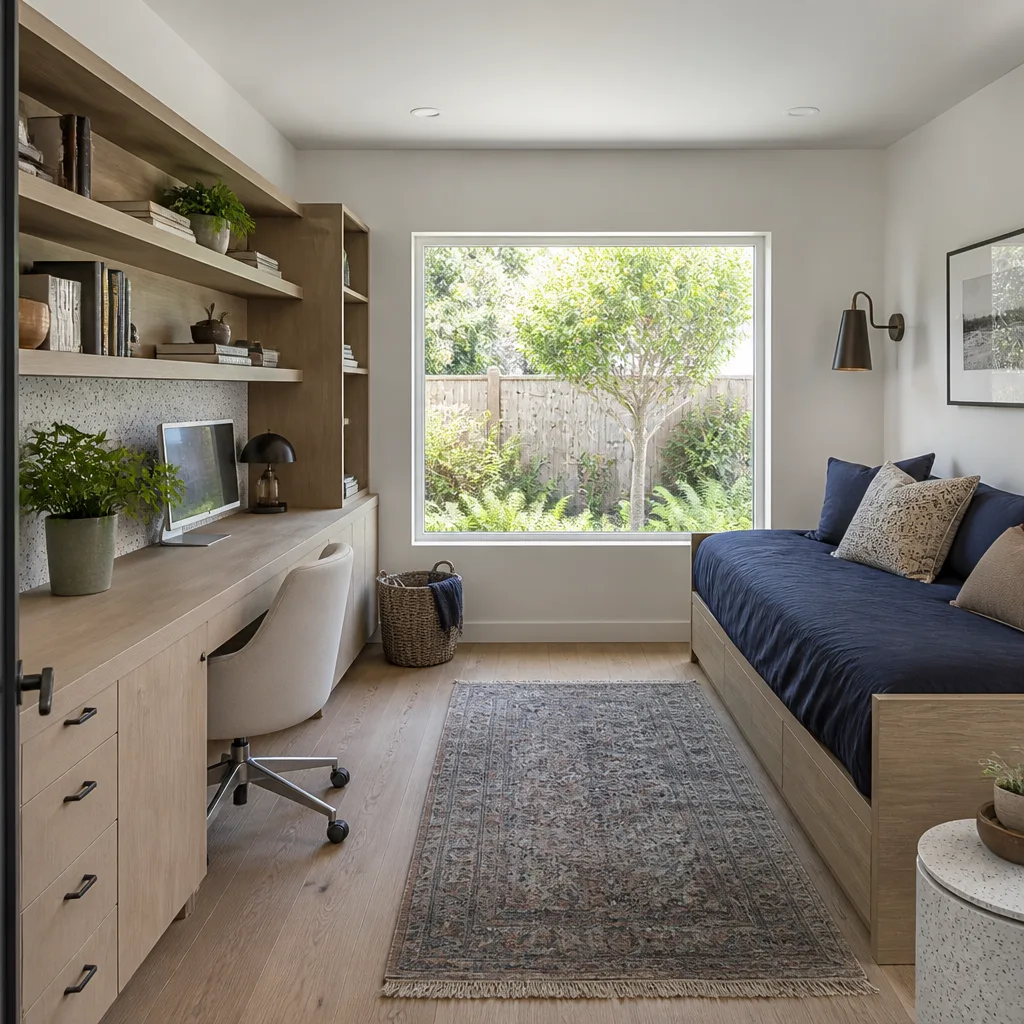
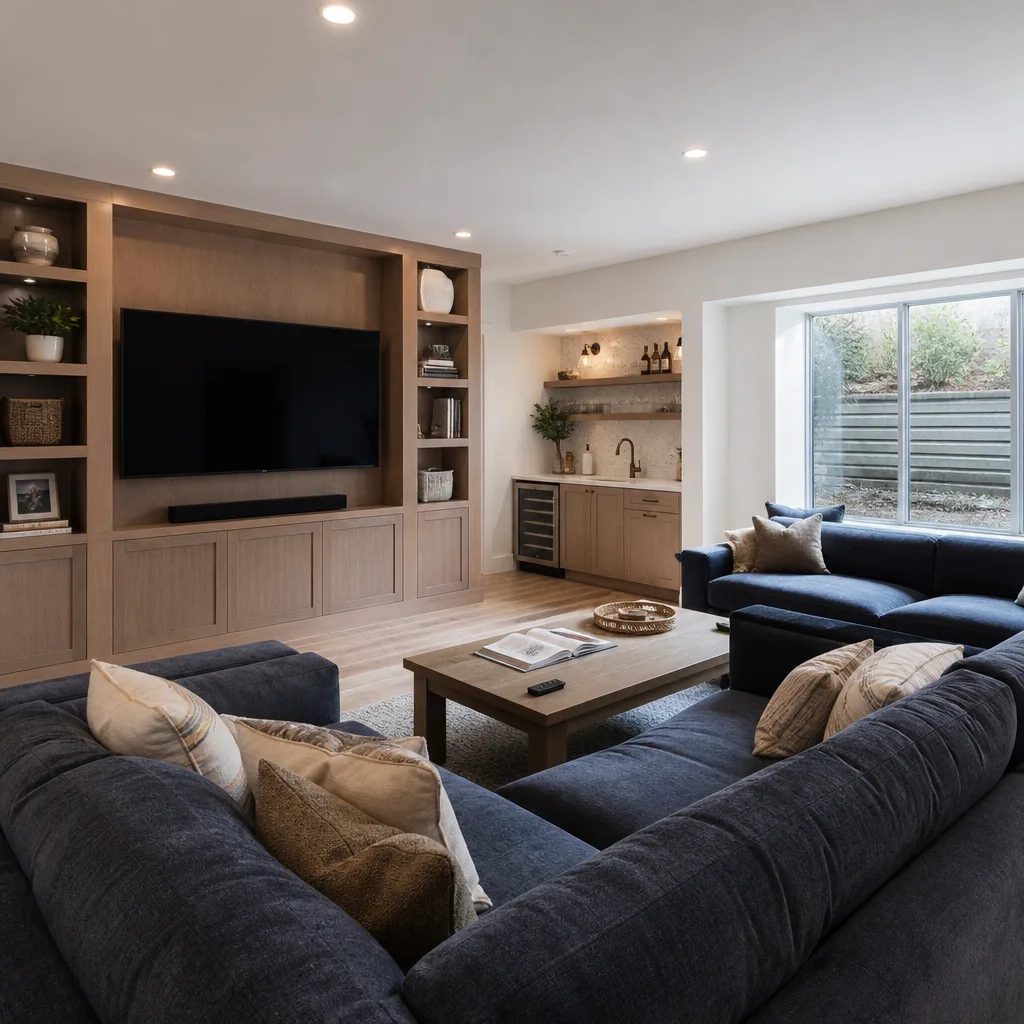
A full home addition in Dallas runs $45,000 to $130,000 installed. That range covers the framing, roofing, HVAC, electrical, plumbing, drywall, flooring, and the Jerith fence or gate modifications needed to integrate the new footprint into your existing yard. An ADU runs $90,000 to $220,000 because it includes a kitchenette or full kitchen, separate utility connections, and often its own entrance.
What drives the price inside that range is square footage, foundation type, whether we’re matching brick or siding to the existing house, and how much Jerith fence we have to remove and reinstall. A straight addition that doesn’t touch the fence line sits at the lower end. A project that requires relocating a gate and 40 feet of fencing, plus running new gas and sewer lines, climbs fast.
You get a written price before any work starts. No change orders unless you change the scope. Every project includes a written guarantee stating what’s covered and for how long: 365 days from the completion date. If something fails inside that year, we come back and fix it at no charge.
DIY or Call Us?
You can safely check a few things before picking up the phone. Walk the fence line and mark any posts that lean. Check gate hinges for rust and the latch for alignment. Take photos. That tells us a lot without anyone getting hurt.
What you should not do is attempt to remove or relocate Jerith posts and panels that sit near your addition site. Those posts are set in concrete, and a gate panel under tension can swing hard when you unbolt the wrong hinge first. We also run into too many homeowners who pull a post, pour a half-bag of concrete from the hardware store, and then wonder why the gate sags six months later. Dallas soil needs deeper footings than most people expect, and gate posts carry a live load every time that gate swings open.
If the Jerith part is a latch, a hinge, or a single panel, that’s usually an afternoon fix for us. If it’s tied to your addition footprint, let us handle the sequence correctly: fence first, then foundation, then rebuild. Call (432) 302-8761 and we’ll walk you through it.
FAQs
Jerith aluminum systems typically last 25 to 40 years in Dallas, but the hardware, hinges, latches, and post caps, wears out faster, usually inside 10 to 15 years. The Texas sun fades powder coating and dries out nylon bushings. If your gate still looks good but the latch feels sloppy, it’s probably hardware, not the fence.
Yes, as long as the gate frame isn’t twisted and the hinges aren’t wallowed out. If the post has settled, we reset the post first, then rehang the gate. If the gate frame itself is bent, replacement is cheaper than straightening. Call (432) 302-8761 and we’ll give you an honest read from photos before quoting.
For a typical addition that touches one fence line, the fence removal, post reset, and reinstallation runs one to three days depending on how many posts we’re moving and whether concrete needs to cure before the gate goes back on. The full addition timeline is a separate conversation based on scope.
We keep common Jerith hinge sets, latch assemblies, post caps, and panel brackets on the truck. For full panels or custom-width gate frames, we order OEM or fabricate locally, which usually adds three to five business days. We’ll tell you which it is before you commit to anything.
Written by Isaac Pruett, Owner, Mason Remodeling Co Dallas at Mason Remodeling Co Dallas, serving Dallas and nearby areas.


