
Free written scope consultation - allowances, timeline, and change-order rules on paper before a single trade is scheduled
Cambridge Pavers Home Additions & ADU: The Dallas Owner’s Guide
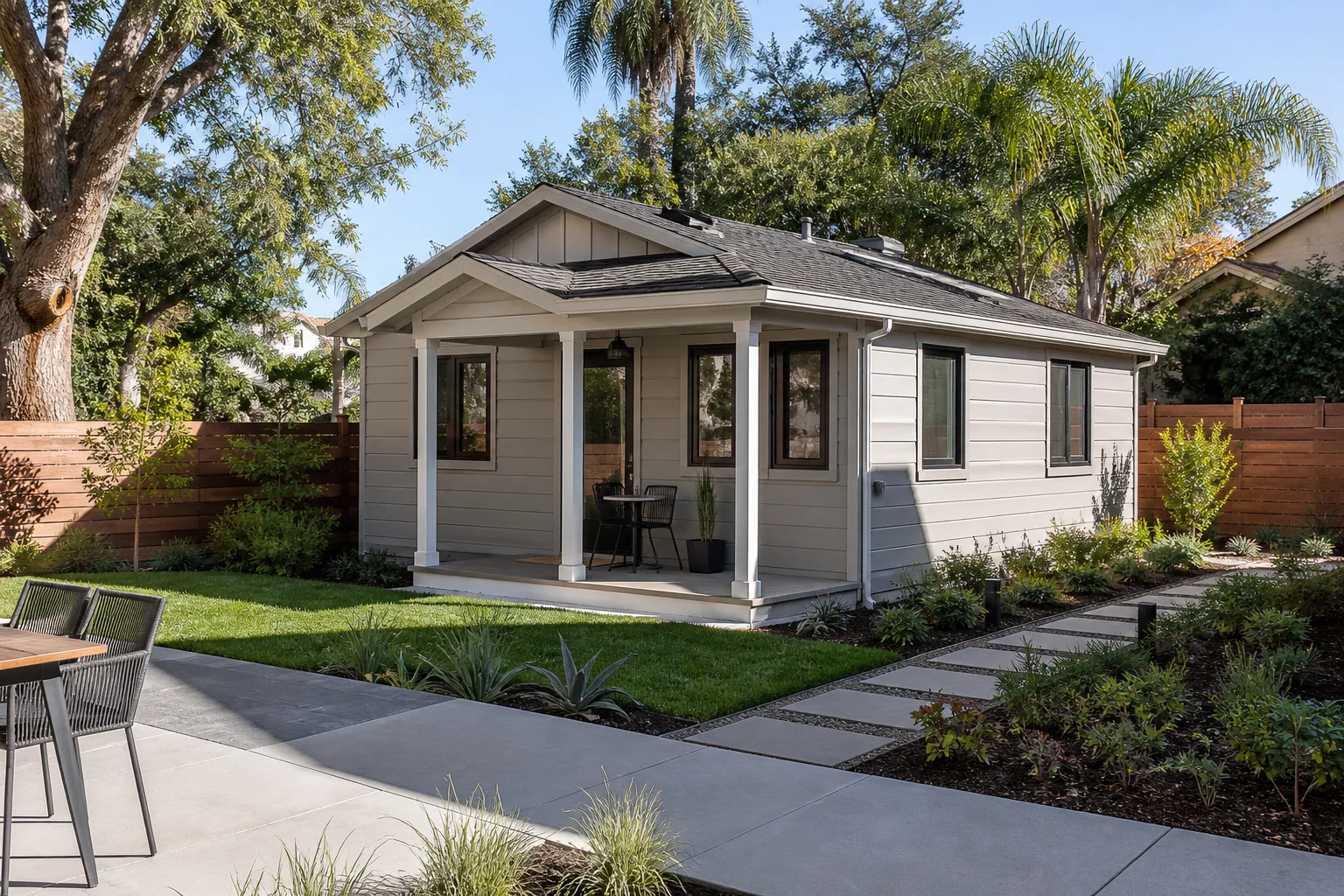
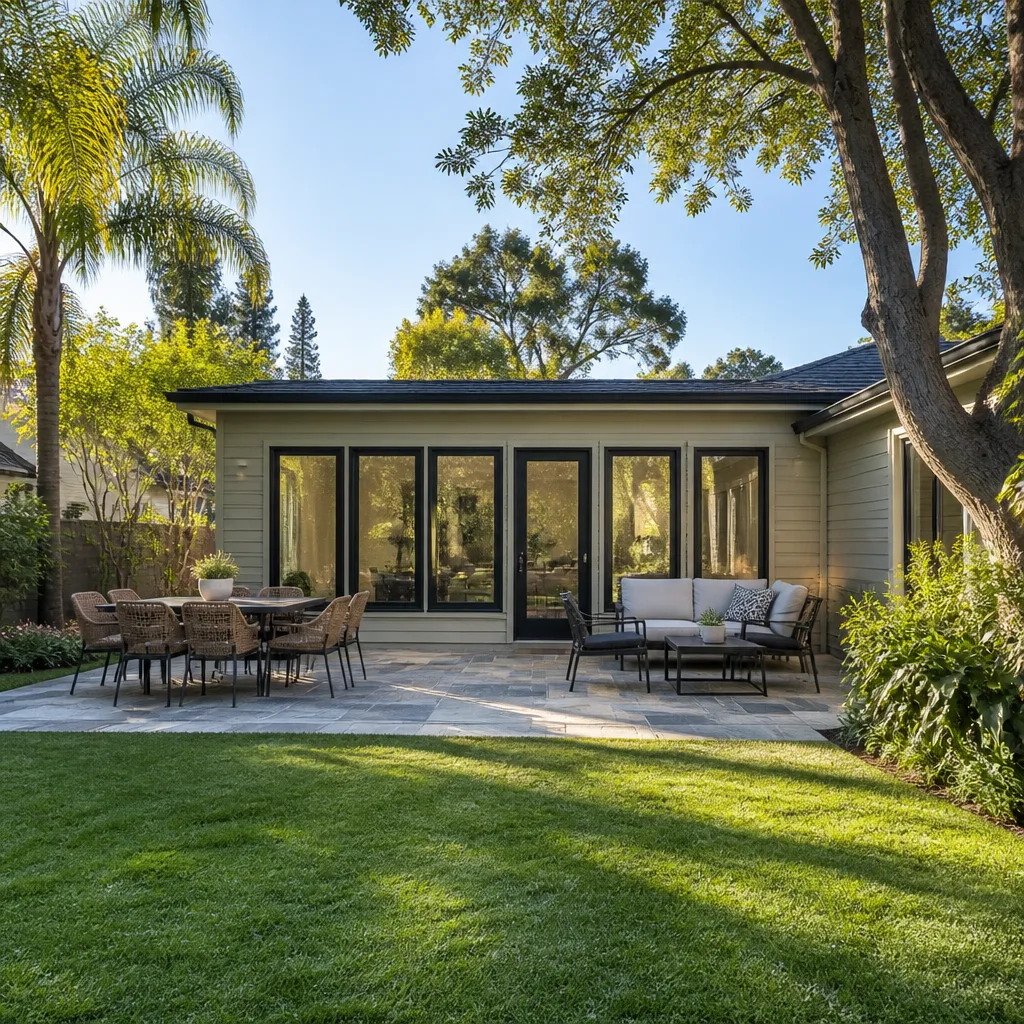
If you’re planning a home addition or ADU in Dallas using Cambridge Pavers, you’re looking at an installed cost of roughly $45,000 to $130,000 for the addition itself, with ADU construction running $90,000 to $220,000 depending on size, foundation work, and finish level. Most Dallas owners discover mid-project that the paver portion of the job needs a specific installation approach: Dallas’s clay-heavy soil shifts with our wet-dry cycles, and Cambridge pavers on a poorly prepared base will show it within two seasons. We stock Cambridge-compatible edge restraints, joint sand, and base materials on our trucks, and we can match existing Cambridge paver colors and patterns if you’re extending a patio, walkway, or driveway as part of the build.
Which Cambridge Pavers Models This Applies To
Cambridge Pavingstones come in a few distinct product families, and getting the right one matters more than most homeowners expect. The Ledgestone line has a tumbled, irregular edge and is sold in 3-piece modular bundles, while Sherwood and ArmorTec lines have cleaner, machine-cut profiles. The RoundTable and Holland lines are thinner, often used for driveways and walkways rather than structural patio work. If you’re matching existing pavers on a Dallas addition, check the back of a loose paver: Cambridge stamps a production code, and the color name is often on the original invoice or the builder’s material list. One compatibility gotcha we see regularly in Dallas: older Cambridge installations from the mid-2000s used a 60mm paver, while current production skews toward 80mm for driveway-rated applications. You cannot mix a 60mm and 80mm paver on the same plane without a visible step, so matching thickness matters as much as matching color.
For OEM versus aftermarket on Cambridge-specific parts: edge restraints, polymeric sand, and base panels are commodity products where quality aftermarket equivalents (Techniseal, Alliance Gator, Snap Edge) perform identically for less. We do not recommend aftermarket replacement pavers from no-name molds: the color oxides and surface texture rarely match Cambridge’s proprietary blends, and a Dallas summer will fade a knockoff noticeably within three years. We source genuine Cambridge product when matching is critical, and we tell you plainly when an alternative will do the job without costing you longevity.
Styles & brands we work with







Signs Your Cambridge Pavers Home Additions & ADU Is Failing
- Pavers shifting or sinking at the foundation line. This is almost always base failure, not paver failure. Dallas’s expansive clay (Blackland Prairie soil, especially common in East Dallas and Mesquite-adjacent neighborhoods) swells when wet and contracts when dry, which heaves a poorly compacted base. The pavers are fine; the base underneath is not.
- Edge row spreading outward at walkway or driveway borders. Cambridge systems rely on rigid edge restraints, and once an edge lets go, the entire field loses lateral stability. You’ll see gaps open between pavers in a wave pattern moving inward from the edge.
- Polymeric sand washing out or crumbling between joints. Dallas downpours, especially the spring storm cycles, test joint sand hard. If the sand was installed in high humidity or over a damp base, it never fully cures, and the joints start eroding within months.
- Efflorescence (white chalky residue) that won’t brush off. This is salt migration through the paver body, common with Cambridge’s lighter colors and more visible on new additions that sit partly shaded. It is cosmetic rather than structural, but it tells you water is moving through the paver substrate.
- Color fading unevenly on one section of a new paver surface. This usually means a mix of production lots, or worse, a mismatched replacement batch. Cambridge dye lots vary slightly run to run; a careful installer orders from a single lot or blends deliberately.
See the difference
 Before
 After
After Before
 After
After Before
 After
AfterReplacement Cost & What’s Included
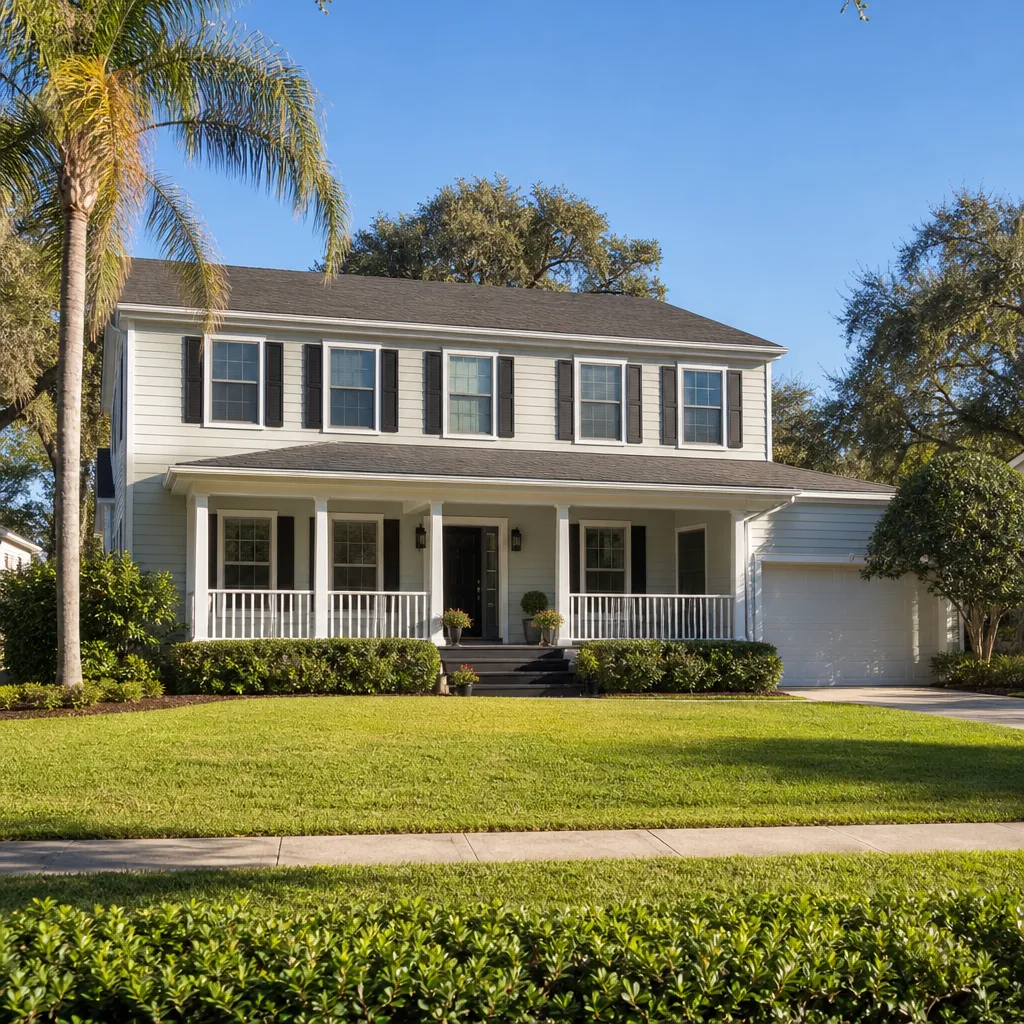
For the paver-specific portions of a Dallas home addition or ADU project, you’re looking at these installed ranges:
- Paver driveway installation: $7,000 to $18,000
- Paver patio installation: $3,500 to $11,000
- Full home addition (including paver hardscape): $45,000 to $130,000
- ADU construction (including site work and pavers): $90,000 to $220,000
- Paver repair / re-leveling (existing installation): $1,500 to $6,000 depending on square footage and base condition
What drives the spread: total square footage, whether the existing base can be salvaged or must be re-excavated, paver thickness (60mm vs 80mm), and whether you’re matching an existing Cambridge color or selecting a new one. Every quote we write includes the base preparation, edge restraints, joint sand, and paver labor as separate line items so you know exactly what you’re paying for. The written price comes before any tools are unpacked, and the work is covered by our 365-Day Done Right Promise: if anything is not right within a year of completion, we fix it at no cost to you.
DIY or Call Us?
Replacing a few loose pavers or touching up joint sand is manageable for a homeowner, and we’ll tell you that plainly. What we will also tell you: paver work on an addition or ADU is not just about laying stones. The base compaction, drainage slope, and edge restraint are structural decisions, and getting them wrong means tearing the whole surface out and starting over. That happens. Isaac Pruett has walked more than a few Dallas jobs where a homeowner or a day-labor crew laid pavers directly over topsoil and watched the whole field roll like a wave after one rainy season. If you’re matching an existing Cambridge surface, call us first for a straight read on what you have and what it needs. (432) 302-8761. The estimate is free, and there is exactly one phone number, one live person, and no call tree.
FAQs
With a properly prepared base, Cambridge pavers in Dallas typically last 25 to 40 years before the base shows fatigue; the pavers themselves can outlast the house. The wildcard in Dallas is always the soil: our clay-based ground moves more than almost any market in Texas, so the base and drainage matter more than the paver brand.
Yes. Individual pavers can be pulled and reset, edge restraints can be re-pinned, and joint sand can be re-applied. If the base under the failure is intact, a repair is a weekend job. If the base has washed out or heaved, a spot repair will just fail again in the next wet-dry cycle. Call (432) 302-8761 and we’ll tell you which situation you have, honestly.
A straightforward patio or walkway section is usually 2 to 3 days including base work. A full driveway or ADU hardscape package is typically 5 to 10 working days depending on weather and access. We give you a written schedule with the written price, and we stick to it.
We stock Cambridge edge restraints, polymeric joint sand, and base materials on our trucks, and we order genuine Cambridge pavers by color and lot from their Dallas distributor network with a typical one-week lead. For common colors like Limestone Quarry and Bluestone, we often have partial pallets in our yard that can get a repair started immediately.
We’re proud to install and service Cambridge Pavers products, and we also work with KraftMaid, Cambria, and Silestone for the interior portions of the same additions and ADUs, so one conversation covers the whole project, inside and out. Mason Remodeling Co Dallas is an independent service provider and is not affiliated with Cambridge Pavers.
You should know who is coming, what it costs, and what happens if something goes wrong, before we ever pick up a tool. Call (432) 302-8761 for a written quote on your Cambridge pavers home addition or ADU project in Dallas.
Written by Isaac Pruett, Owner, Mason Remodeling Co Dallas at Mason Remodeling Co Dallas, serving Dallas and nearby areas.


