
Free written scope consultation - allowances, timeline, and change-order rules on paper before a single trade is scheduled
Styles & brands we work with







See the difference
 Before
 After
After Before
 After
After Before
 After
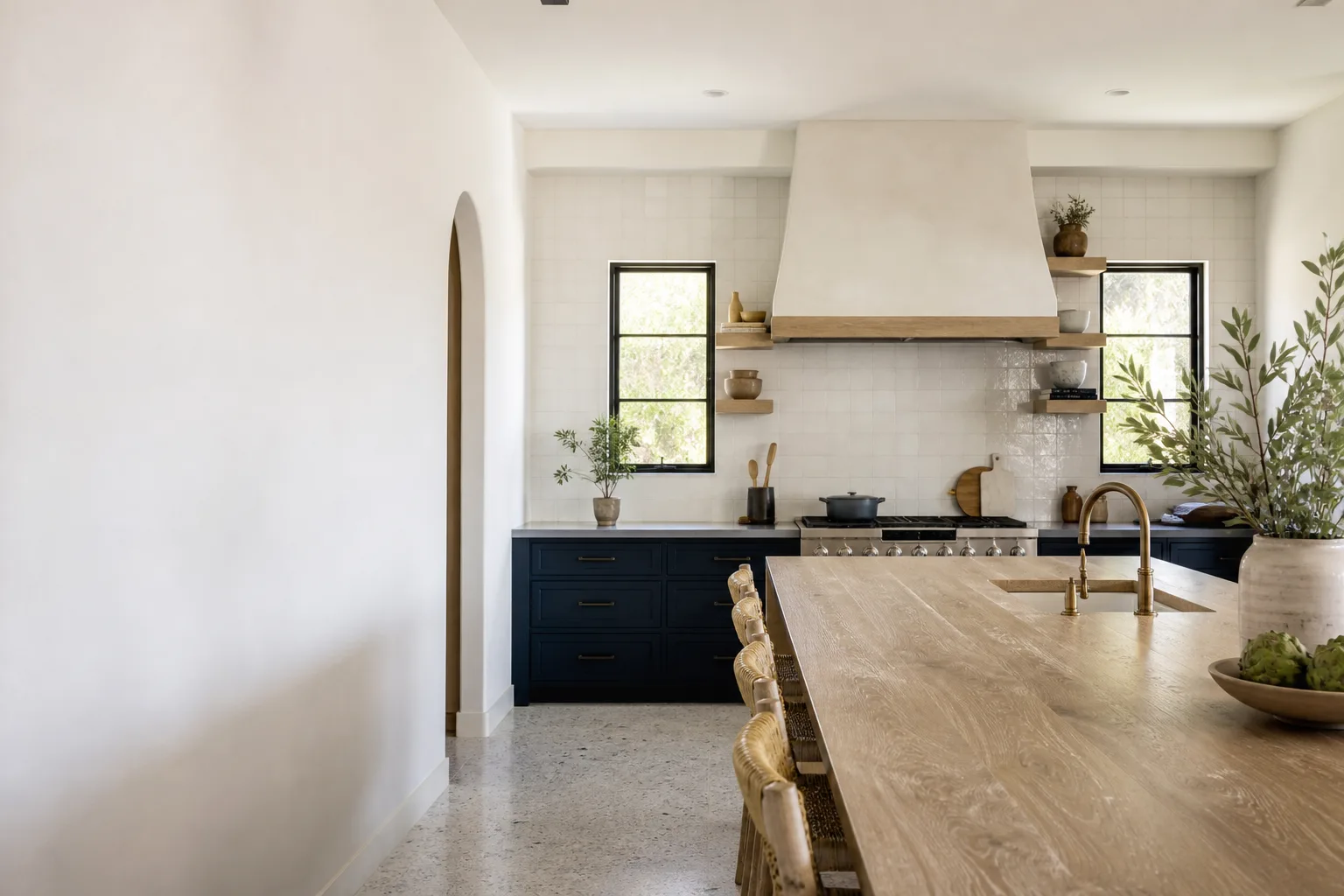
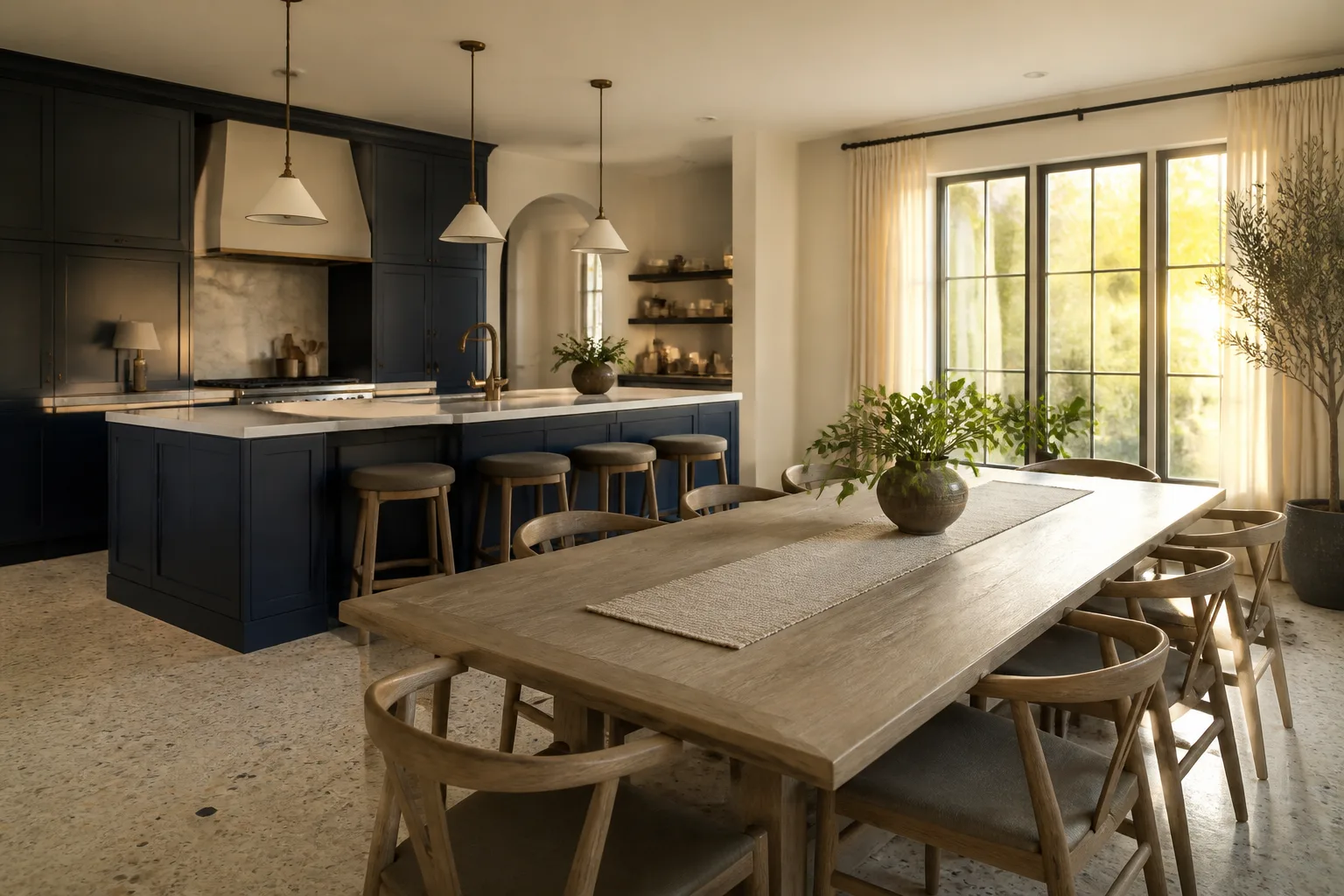
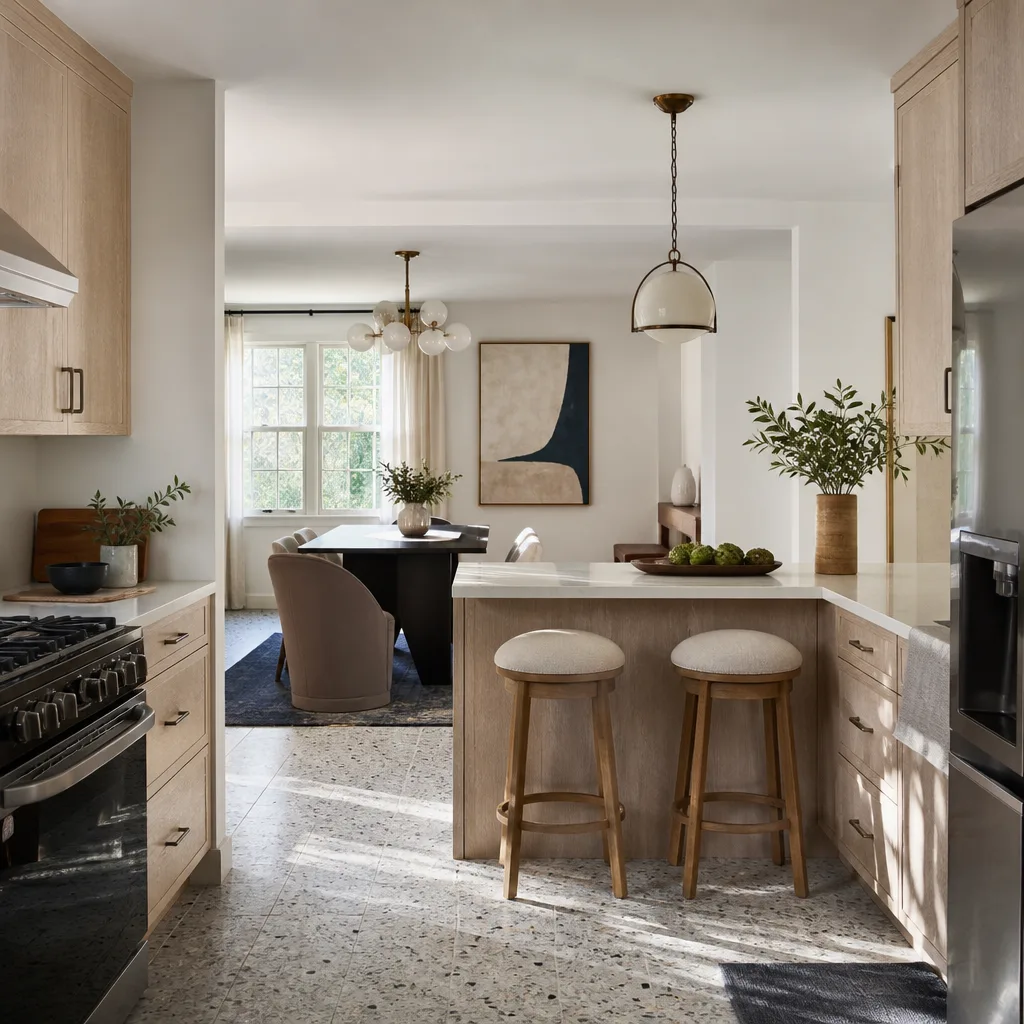
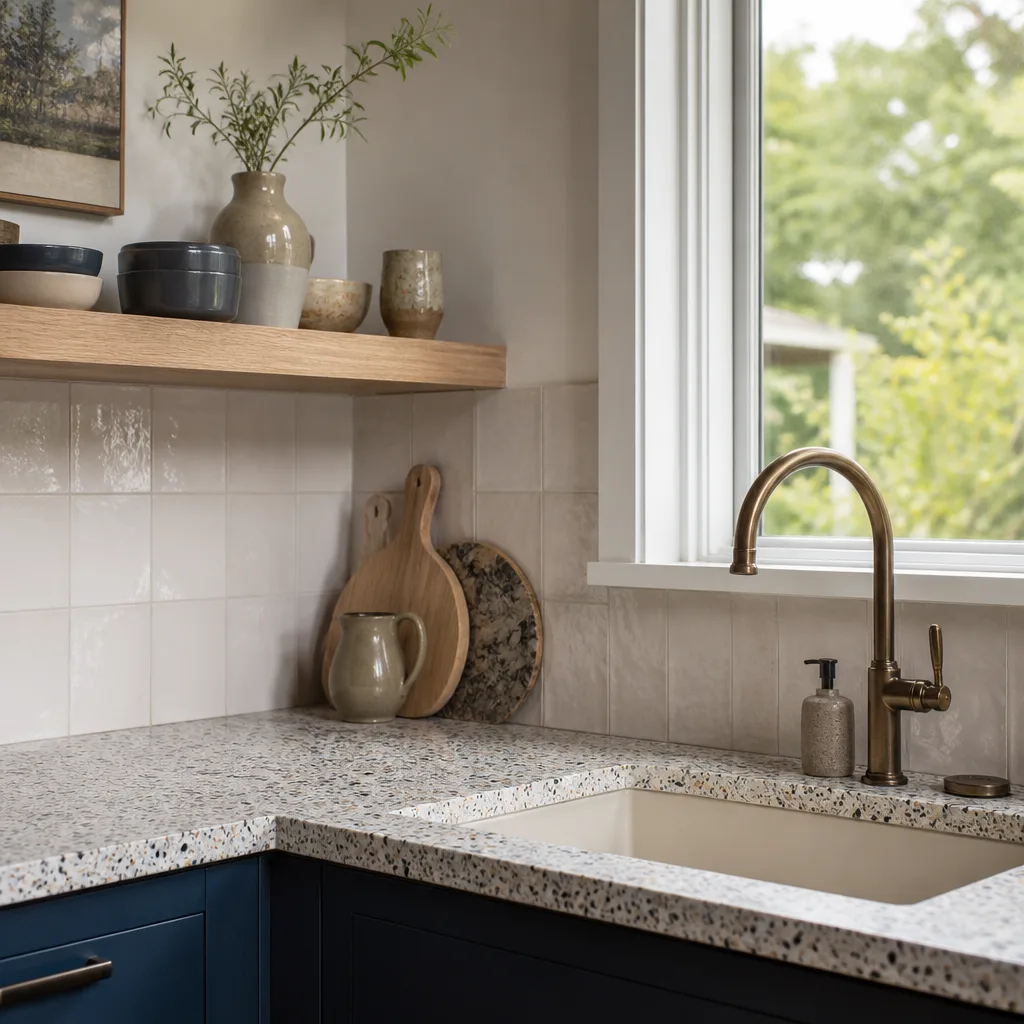
AfterBacksplash, Tile & Flooring in Dallas, TX
Backsplash, tile, and flooring work in Dallas kitchens typically costs between $12 and $38 per square foot installed, depending on material and substrate condition, with most full kitchen tile projects landing between $2,800 and $9,500. Mason Remodeling Co Dallas handles the full scope: demolition, substrate repair, layout, setting, grout, and trim work, with a written price delivered before any tool is unpacked. If you’re planning a Kitchen Remodeling in Dallas project and want tile work that won’t crack, shift, or look uneven in six months, call us at (432) 302-8761.
We’ve been setting tile in Dallas homes since 2004. We know how this city’s clay soil moves under slab foundations, and we know what that movement does to tile and grout. We also know the difference between a backsplash that seals properly against grease and steam and one that just looks fine in photos. This page explains what you should expect to pay, how we work, and what happens if something goes wrong after we leave.
Key Takeaways
- Expect to pay $12 to $38 per square foot installed for most backsplash, tile, and flooring work in Dallas, with material choice driving most of the spread.
- We give you a written price before work starts. Not a verbal ballpark. Not an estimate that grows. A number on paper.
- Every crew member is identity-verified. You get the technician’s name and photo before they arrive, and they show a photo ID badge at your door.
- The 365-Day Done Right Promise covers tile and flooring work. If it’s not right within a year of completion, we make it right at no cost to you.
- A live person answers the phone 24/7. Call (432) 302-8761 any time, including weekends and holidays.
When You Need Backsplash, Tile & Flooring
You don’t always need a full kitchen remodel to need tile work. Sometimes the scope is smaller, and sometimes the problem is urgent. Here’s what we see most often in Dallas homes:
- Grout is cracking and crumbling along the countertop line. Houses in neighborhoods like Lake Highlands and Casa View sit on expansive clay soil. Seasonal swelling and shrinking puts stress on kitchen floors and walls, and grout is usually the first place it shows.
- Water damage behind the sink or cooktop. A failed caulk line or missing grout lets moisture behind the tile. In older Dallas homes with drywall substrate, this rots quickly. Tile that’s bulging, stained, or soft when pressed is a warning sign.
- You’re listing the home or buying one. Real estate agents across North Dallas will tell you: a dated backsplash ages a kitchen faster than almost anything else. A clean, properly installed tile line changes how buyers read the room.
- Floor tile is cracked, hollow-sounding, or loose. Cracked tiles aren’t just ugly. They’re a sign the subfloor or underlayment is moving. Hollow spots mean the bond has failed. Walking on loose tile eventually chips edges and creates a trip hazard.
- You redid the counters but the wall looks wrong. New countertops make an old backsplash look worse. We see this constantly after homeowners install quartz or granite and realize the 4-inch builder tile behind it now looks out of place.
- The builder-grade floor is wearing down. Many postwar Dallas ranch homes still have the original sheet vinyl or thin ceramic floor. Once the wear layer scratches down to the pattern, cleaning becomes a battle you can’t win.
Our Backsplash, Tile & Flooring Process
Most tile failures in Dallas don’t come from the tile itself. They come from what’s underneath. Uncorrected substrate movement, wrong mortar selection, rushed layout work, and skipped waterproofing all show up later as cracked tile, loose grout, or water damage. Here’s the order we follow on every tile job:
- You call, and a person answers. Not a menu. Not a voicemail. A live person at (432) 302-8761 takes your call any day of the year, any hour. You describe what you’re seeing, and we schedule a site visit.
- We inspect the substrate before anyone quotes tile. Floors get checked for deflection and flatness. Wall areas get checked for moisture and drywall condition. If a Dallas slab floor has cracks or elevation changes from soil movement, we address that before a single tile goes down. Skipping this step is how you end up with a floor that fails in 18 months.
- You get a written price. This happens before work starts, every time. The price includes materials, labor, demo, substrate repair, trim, and grout. No verbal estimates that grow on the final invoice. No surprise line items.
- Before installation day, you get the crew’s names and photos. This is how we operate under The Threshold Standard: every technician is background-checked, identity-verified, and arrives in a clean marked uniform with a photo ID badge at the door. You’ll know exactly who is coming before they knock.
- Installation: demo, prep, layout, set, grout, seal. We measure and lay out dry before any mortar is mixed. We use the right setting material for the substrate, whether that’s a modified thinset over concrete or an uncoupling membrane over a wood subfloor. We cut tile wet to control dust and chipping.
- Final walkthrough and written guarantee. You inspect the work with us before we call the job done. You get a written warranty with clearly stated terms including what’s covered, what’s excluded, and for how long. Then we hand you the paperwork and the job is closed.
Backsplash, Tile & Flooring Pricing in Dallas
Let’s talk straight about what this work costs in the Dallas market right now. These are the ranges we quote from, and they reflect what we see across neighborhoods from Oak Cliff to Far North Dallas:
| Scope | Typical Cost Range | What Affects the Price |
|---|---|---|
| Kitchen backsplash, standard ceramic or subway tile, 30 square feet | $540 to $1,140 | Tile cost, outlets and switches to work around, demolition of old backsplash |
| Kitchen backsplash, glass or mosaic tile, 30 square feet | $750 to $1,500 | Glass tile costs more per sheet and cuts slower |
| Kitchen floor, porcelain tile, 200 square feet | $3,600 to $7,600 | Demo of old floor, subfloor repair, tile grade, pattern complexity |
| Full kitchen floor plus backsplash | $4,200 to $9,500 | Combined scope often slightly more efficient per square foot than separate jobs |
| Subfloor or slab repair before tile | $400 to $2,800 | Depends on what we find: crack isolation, leveling, or replacement of damaged underlayment |
Material selection drives more of the price range than labor does. A basic ceramic tile runs $2 to $5 per square foot at the material level. A porcelain plank that mimics hardwood can run $6 to $12 per square foot. Natural stone, handmade-look zellige, and large-format panels push the number higher. Through our supplier partnerships with Cambria, Silestone, and Caesarstone for adjacent surfaces, we can also coordinate your tile selection with countertop material so the whole kitchen reads as one design, not three separate decisions that happen to share a room.
Whenever we look at a Dallas kitchen, we’re checking for things that affect the tile budget before we quote: how flat the floor is, whether the slab has cracks from the clay soil movement, what the current underlayment is, how many electrical outlets interrupt the backsplash line, and whether old tile contains anything that requires careful handling during demo. These details are why a written price matters. A phone estimate that doesn’t account for them is a guess, and guesses end up on your final invoice.
Every quote includes a free site visit. Call (432) 302-8761 and we’ll inspect the space, take measurements, and deliver a written price. There’s no charge for the estimate and no obligation to proceed.
Why Tile Work in Dallas Fails (and How We Prevent It)
Dallas presents two structural challenges that most national tile guides never mention. The first is soil. Most of Dallas County sits on expansive clay that shrinks in summer drought and swells after heavy rain. Slab-on-grade homes, which are the dominant construction type across East Dallas, Mesquite, and Garland, flex subtly with that soil cycle. Tile installed directly on a slab that moves will eventually crack, especially along stress points like doorways and long sightlines.
The second challenge is humidity. Dallas kitchens see heavy steam loads from cooking, and the temperature swings between an air-conditioned interior and a 100-degree exterior put stress on grout lines and caulk joints at the wall-to-counter transition.
We address these during the prep phase, not after the tile is down. On slab floors, we check for existing cracks and evaluate whether they’re active. If they are, we specify a crack isolation membrane before tiling. On walls, we verify the drywall or cement board is properly fastened and rated for the application. Around cooktops, we use materials and sealants that hold up to repeated heat cycling.
If you hire a crew that skips these steps, the tile will probably look fine on day one. What happens in month eight or month fourteen is a different story, and that’s exactly the timeline where our 365-Day Done Right Promise matters. If the work is not right within a year of completion, we make it right at no cost to you. No argument. No dispute process. No conditions.
Types of Tile and Flooring We Install in Dallas Kitchens
We don’t push one tile type on every job. What works in a M Streets historic home with a pier-and-beam foundation isn’t always the right call for a 2005 build in Frisco with a post-tension slab. Here’s what we work with most:
Ceramic and Porcelain Tile
These are the workhorses of Dallas kitchens. Porcelain is denser and less porous than ceramic, which matters in a kitchen where spills are daily. Porcelain also holds up better to the abrasion of sandy soil tracked in from North Texas yards. For floors, we typically recommend porcelain rated PEI 3 or higher, which stands up to normal kitchen foot traffic. For backsplashes, ceramic is often perfectly sufficient and saves money that can go toward better countertops.
Glass and Mosaic Backsplash
Glass tile reflects light in a way ceramic doesn’t, which is why it reads as more contemporary and brightens kitchens with limited natural light. Mosaic sheets, whether glass, stone, or mixed, create texture and visual interest at a lower total cost than full custom work. The trade-off: glass cuts slower and requires more careful setting to avoid visible adhesive through the tile. We set glass with a white thinset specifically rated for glass, not whatever mortar is left on the truck from the last floor job.
Large-Format Floor Tile
Large-format porcelain, often 12×24 inches or larger, reduces grout lines and creates a cleaner, more open look in a kitchen floor. But large tile punishes a subfloor that isn’t flat. The industry standard requires minimal variation across a 10-foot span, and achieving that in an older Dallas home often means floor leveling before setting tile. We measure flatness during the quote phase so the price you approve covers the prep work, not just the tile.
Edge Trim and Finishing Details
Where tile ends at a doorway, a countertop edge, or a cabinet side, the transition has to be handled deliberately. We use Schluter strips, the metal or PVC trim that seals the raw tile edge, in finishes matched to the fixture and hardware schedule. The strip protects the tile edge from chipping and gives the installation a finished look instead of a raw, exposed cross-section. For flooring transitions between tile and wood or vinyl, we install the appropriate threshold or reducer so the two floors meet cleanly without a tripping lip.
Backsplash Design Considerations for Dallas Kitchens
A backsplash is the most visible tile surface in the kitchen, and it’s also the one you’ll live with at close range every day. Some practical notes from hundreds of Dallas kitchen projects:
Height and Coverage
The backsplash should run from the countertop to the underside of the upper cabinets at minimum. Behind a cooktop with no upper cabinet, it should extend higher, ideally to the hood or to the ceiling in a full-height arrangement. The standard counter-to-cabinet height in most Dallas kitchens is 18 inches, which translates to roughly 30 square feet of tile for a typical L-shaped layout. Full-height backsplashes behind a range can add another 15 to 25 square feet.
Grout Color and Maintenance
Light grout on a busy backsplash shows every splash of tomato sauce and coffee. Dark grout hides stains but shrinks the visual impact of small tile. We talk through grout selection during the quote so you know what you’re committing to for maintenance. Epoxy grout resists staining better than cement-based grout and is worth the upcharge behind a cooktop, especially if you cook with heavy oils.
Matching Tile to Countertop and Cabinet Finishes
If you’re also installing new counters or cabinetry, the sequencing matters. Tile goes in after counters are set so the bottom course of tile sits cleanly on the finished countertop surface. If you’re keeping existing counters, we protect them during demo and setting. If you’re coordinating multiple material selections, our work with Cambria, Silestone, and Caesarstone surfaces means we can show you how the tile and counter materials will look together before either is ordered.
Flooring Considerations for Dallas Kitchens
Kitchen flooring gets abused. Hot pans drop. Refrigerator water lines leak. Dogs track in after a rain. Here’s what we discuss on every kitchen floor project:
Tile Floor vs. Other Materials
Tile outlasts vinyl plank and laminate in a kitchen, especially in a home with kids or pets. It doesn’t scratch as easily, it handles moisture better, and it doesn’t off-gas the way some vinyl products do. The trade-off is that tile is harder underfoot and cooler in winter. For Dallas, where summer heat is the bigger consideration, tile’s thermal mass actually helps keep the kitchen feeling cooler when the AC is running.
Slip Resistance
For kitchen floors, we recommend tile with a higher coefficient of friction, essentially a surface with more texture. Polished porcelain, which looks beautiful in photos, becomes slippery when wet with water or grease. A matte or lightly textured finish holds its grip better. We’ll show you samples and explain the trade-offs between look and safety before you commit.
Underlayment and Deflection
Floors flex. Wood subfloors over pier-and-beam foundations in older Dallas neighborhoods like Lakewood and Junius Heights flex more than most. Tile needs a rigid substrate to prevent cracking, which sometimes means adding an underlayment layer or reinforcing the framing before tile goes down. We include this in the written price when we know it’s needed, not as a change order discovery after demo.
How The Threshold Standard Protects You During Tile Work
Tile installation means having workers in your kitchen for several days. For many of our clients, that’s the hardest part of the project: opening the door to people they don’t know and leaving them alone in their home while they work. We take that concern seriously, because we should.
Every Mason Remodeling Co Dallas technician operates under The Threshold Standard. Before your project begins, you receive the name and photo of every technician who will be in your home. When they arrive, they’re in a clean, marked Mason Remodeling uniform and they show a photo ID badge at the door. Everyone on the crew has passed a background check and identity verification. You’ll never wonder who is in your kitchen or whether they were supposed to be there.
This isn’t a policy we adopted recently because the market demanded it. It’s how the Threshold Group family of home-service companies has operated since 2004. We’re not a lead-generation service that subcontracts to whoever picks up the phone. The people in your home are our people, and you’ll know their names before they arrive.
FAQs – Backsplash, Tile & Flooring in Dallas
How much does a kitchen backsplash cost in Dallas?
A standard ceramic or subway tile backsplash in Dallas typically costs $540 to $1,140 for 30 square feet installed, while glass or mosaic tile runs $750 to $1,500 for the same area. The spread depends on tile cost, the number of outlets to cut around, and whether old backsplash needs demo. Call (432) 302-8761 for a written quote; site visits and estimates are free.
How long does a kitchen tile project take?
A typical backsplash takes two to three days, while a full kitchen floor with demo and prep usually runs four to seven days. The timeline depends on substrate condition, which is why we inspect before we quote. If your floor needs leveling or crack isolation, that adds a day or two, but you’ll know before work starts because it’s in the written price.
Can you fix tile that’s cracked or loose instead of replacing the whole floor?
Yes, isolated cracked or loose tiles can often be removed and replaced individually, provided the substrate underneath is still sound and matching tile is available. However, if the cracks follow a pattern across multiple tiles, that usually indicates slab movement or substrate failure, and patching will just move the problem to a different tile. We’ll tell you honestly which situation you have and quote the repair accordingly.
What does the 365-Day Done Right Promise cover on tile work?
The 365-Day Done Right Promise covers the workmanship of your tile, flooring, or backsplash installation for 365 days from the completion date. If the work is not right within a year, including cracked grout lines, loose tiles, failed trim, or any other installation defect, we return and fix it at no cost to you. The guarantee terms are written and included with your final paperwork. Call (432) 302-8761 if you have questions about a current or past project.
Is it cheaper to repair old tile or replace it?
For small areas with a few damaged tiles, repair is almost always cheaper, running $200 to $600 for a typical spot fix. For widespread damage, water intrusion, or tile so old that matching pieces aren’t available, replacement usually costs less over time because the repair won’t hold. The honest answer depends on what we find under the tile, which is why the site visit matters.
Can you start my tile project right away?
We schedule projects based on crew availability and current Dallas project load, and we do not use urgency tactics to push you into a start date. When you call (432) 302-8761, we’ll schedule a free site visit, deliver a written price, and give you a realistic start window. A live person answers the phone 24 hours a day, 7 days a week, including weekends and holidays.
Get a Written Price on Your Dallas Tile Project
If you’re considering a backsplash refresh, new kitchen floor, or a full tile scope as part of a larger kitchen project, start with a phone call. We’ll inspect the space, measure accurately, evaluate the substrate, and give you a written price before any work begins. You’ll know who is coming, what it will cost, and what happens if anything goes wrong.
Call (432) 302-8761 for a free, no-obligation estimate. The phone is answered by a live person, any hour, any day. Whether you’re in Lakewood, Preston Hollow, Oak Cliff, or anywhere else in Dallas, we’ll send a verified, named technician to your door to assess the job and put the number in writing.
Written by Isaac Pruett, Owner at Mason Remodeling Co Dallas, serving Dallas.


