
Free written scope consultation - allowances, timeline, and change-order rules on paper before a single trade is scheduled
ActiveYards Home Additions & ADU: The Dallas Owner’s Guide
We regularly build home additions and ADUs that tie into, extend, or replace existing ActiveYards outdoor living structures across Dallas. A full addition or detached ADU tied to an ActiveYards product typically runs $45,000 – $130,000 installed, depending on square footage, foundation work, and how far the existing structure has to be modified to make the connection work. Most Dallas owners call us when they notice the connection point between the ActiveYards structure and the house starting to pull away, water pooling where the rooflines meet, or a slab that has shifted enough to throw the ActiveYards frame out of square.
We’re an independent Dallas contractor. We install and integrate ActiveYards-compatible structures, and we source OEM and specification-grade aftermarket components. We are not affiliated with ActiveYards, and we’ll tell you plainly when a part should come from the factory and when a quality equivalent does the job for less.
Which ActiveYards Models This Applies To
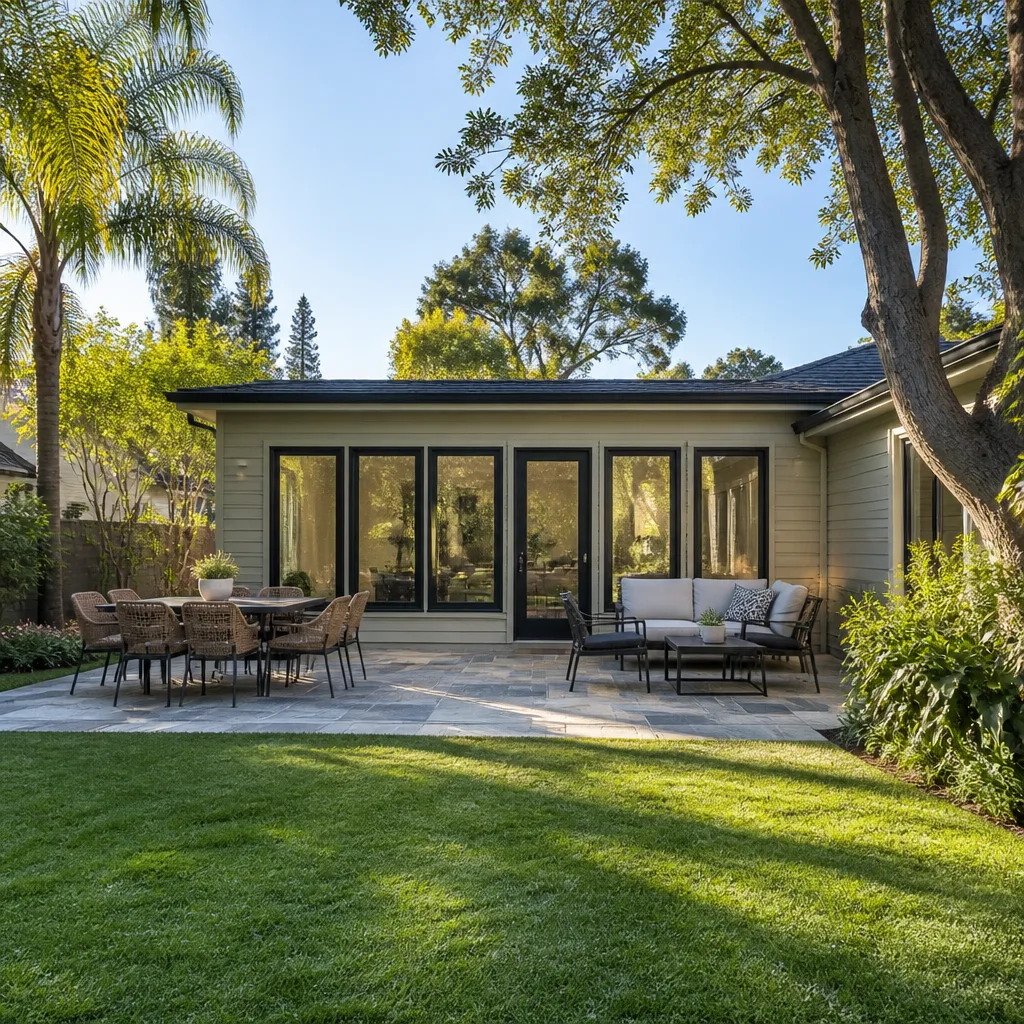
ActiveYards aluminum structures come in a few distinct lines, and the compatibility questions change depending on which one you have. The Classic Series, Premier Series, and Horizon Series each use different post dimensions, wall-channel profiles, and roof-deck attachment points. When we tie a Dallas home addition into one of these, we have to match the existing wall profile exactly, or the connection leaks. That’s the most common mistake we correct from other builds.
How to identify what you have: look at the inside face of a corner post or the bottom rail. ActiveYards stamps a product code there, usually a letter followed by a four-digit number. If the label is gone, measure the post width. Classic Series posts run 2½ inches, Premier and Horizon run 3 inches or wider, and that measurement alone tells us most of what we need to know. For the connection hardware, ActiveYards uses a proprietary channel system, and while generic aluminum track will sometimes fit, we’ve seen enough failed aftermarket track on Dallas homes to recommend OEM for any load-bearing connection point. For non-structural trim and fascia, quality aftermarket profiles are often identical in spec and cost 20 – 30% less. We’ll quote both and let you decide.
Styles & brands we work with







Signs Your ActiveYards Home Additions & ADU Is Failing
- Separation at the house connection point. Dallas clay soil expands and contracts through the year, and over time that movement works the ActiveYards frame loose from the house ledger. You’ll see a visible gap, usually widest in August after a long dry spell.
- Water staining on the interior ceiling where the rooflines meet. If the ActiveYards roof and the addition roof were flashed incorrectly, water gets in at the transition. The stain often shows up a full season after the actual leak started.
- Doors that used to close clean now drag or won’t latch. Frame racking from slab movement is the usual cause. The ActiveYards aluminum doesn’t bend much, so the stress shows up at the threshold and latch points first.
- Screws pulling through or popping at panel seams. Aluminum expands and contracts with temperature, and Dallas swings 40-plus degrees in a day more often than people think. Fasteners that were over-torqued at installation start shearing or pulling through within three to five years.
- Visible rust or white powder at connection hardware. Dissimilar metal corrosion. If someone used standard steel fasteners instead of the specified stainless or coated hardware, the aluminum around them starts to pit and corrode. This one gets worse fast once it starts.
See the difference
 Before
 After
After Before
 After
After Before
 After
AfterReplacement Cost & What’s Included
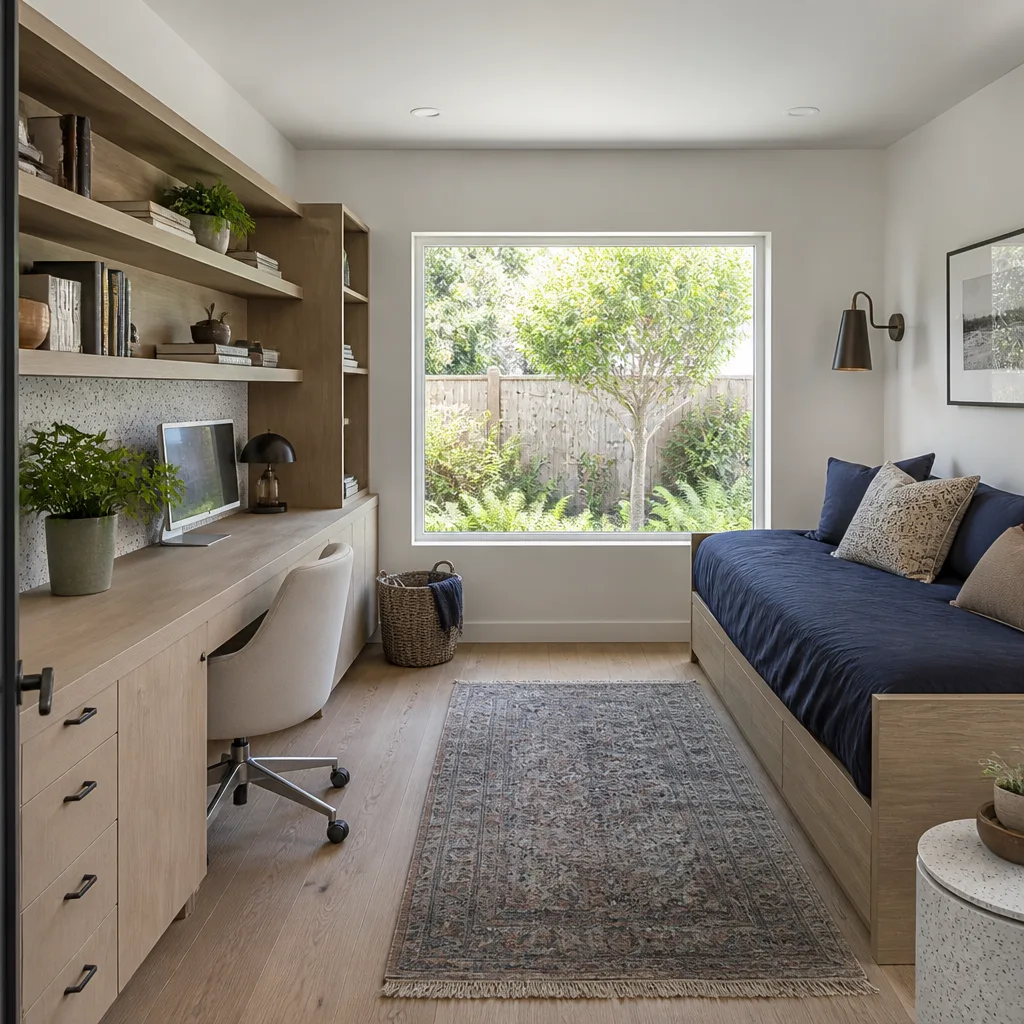
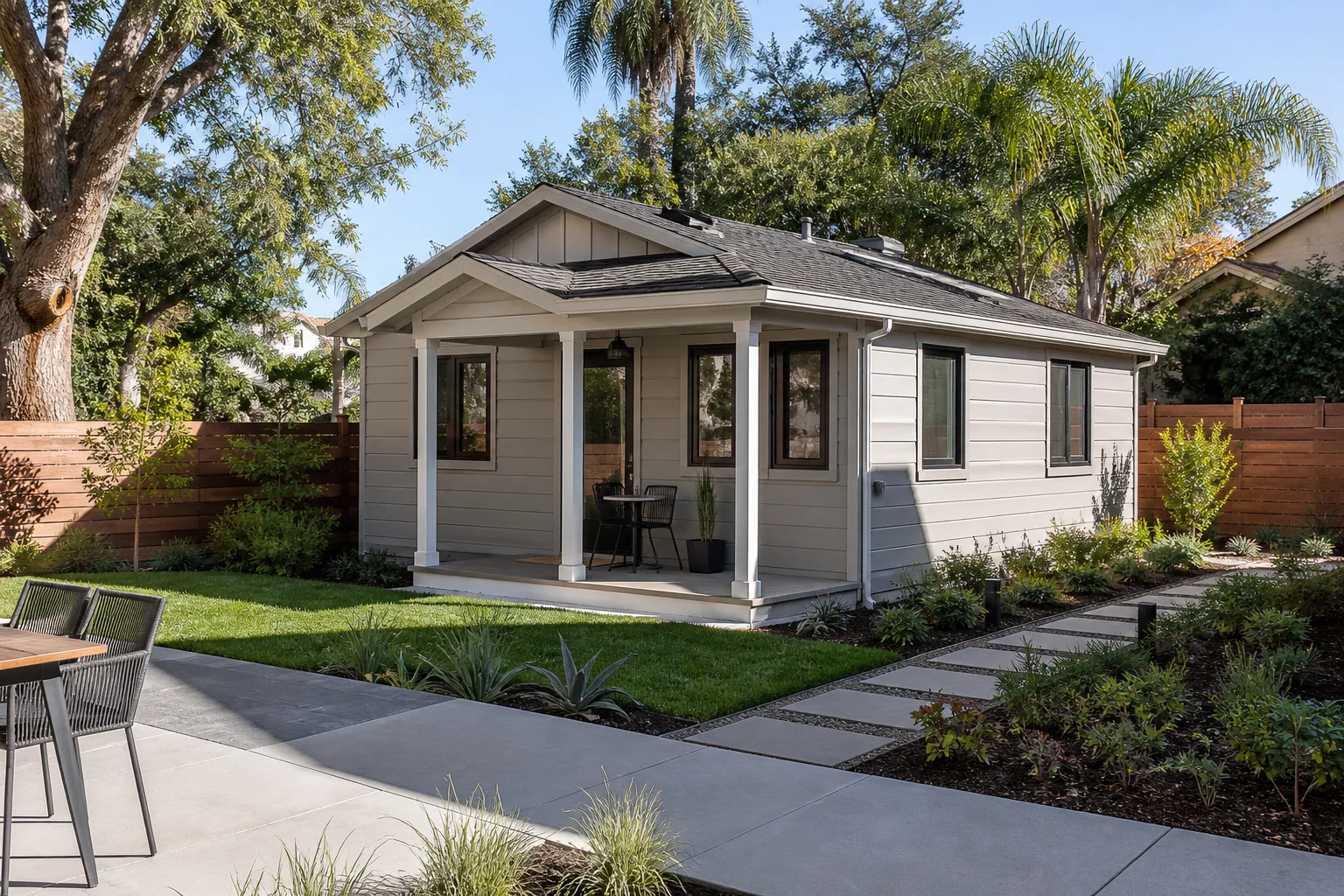
For Dallas, budget $45,000 – $130,000 for a home addition or ADU that connects to or replaces an ActiveYards structure. The low end covers a modest bump-out with a simple roofline match. The high end covers a permitted detached ADU with its own foundation, electrical service, plumbing rough-in, and full integration with the existing ActiveYards frame.
What moves the number: foundation type (pier-and-beam runs less than a new slab), roofline complexity at the ActiveYards transition, whether the existing structure has to be partially disassembled, and finish level. We give a written price before any work starts, and that price includes parts, labor, permits, and the connection work. If a line item needs to change, you’ll know before we touch it. Every project carries our 365-Day Done Right Promise in writing: if something’s not right within a year of completion, we fix it at no cost.
DIY or Call Us?
You can safely check your structure for the separation and corrosion signs above. You can also check for loose screws at panel seams and mark them for us. What you shouldn’t do is try to re-square an ActiveYards frame, pour a connection footer, or re-flash a roofline yourself. These structures are under constant tensile load, and when aluminum is twisted out of plane it fails without much warning. We’ve had to replace sections that homeowners tried to pull straight with a come-along. That job always costs more than calling us first would have.
If you’re seeing any of the signs above, call (432) 302-8761 and we’ll schedule a walkthrough. Isaac Pruett still walks every job himself before the first tool comes off the truck, because a plan on paper and a house in front of you are two different things.
FAQs
With proper installation and the right fasteners, the aluminum frame itself lasts 25 – 40 years in the Dallas climate. The weak points are the connection hardware and flashing, which typically need attention every 8 – 12 years. Call (432) 302-8761 if yours is showing separation or rust.
Yes, and we’ll tell you honestly which one makes sense. If the frame is square and the issue is at the connection point or flashing, repair is usually the right call. If the frame itself has racked or corroded through, replacement gets cheaper than repeated repairs fast. Estimates are free either way.
A bump-out tied to an existing ActiveYards structure usually takes 6 – 10 weeks, including permitting. A full detached ADU runs 4 – 7 months depending on foundation work and utility runs. We’ll give you a written schedule with the written price, and you’ll know who is coming every day before they arrive.
We keep the common connection hardware, post caps, and flashing profiles on our trucks, and we have access to OEM ActiveYards components within a few days. If a specialty part needs to come from the factory, we’ll tell you the lead time in the estimate, not after the job starts.
Written by Isaac Pruett, Owner, Mason Remodeling Co Dallas at Mason Remodeling Co Dallas, serving Dallas and nearby areas.


