
Free written scope consultation - allowances, timeline, and change-order rules on paper before a single trade is scheduled
Boral Home Additions & ADU: The Dallas Owner’s Guide
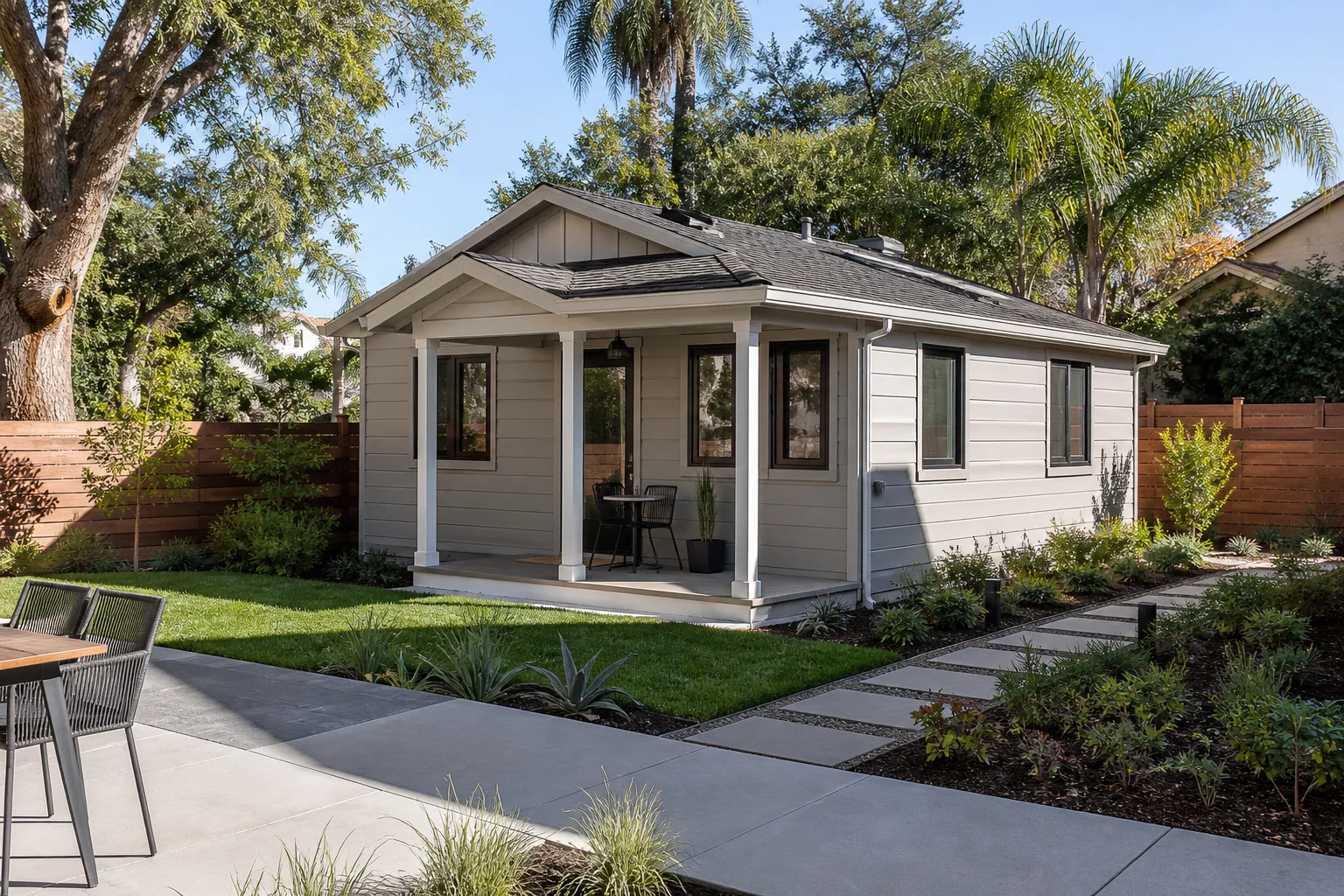
A Boral home addition or ADU project in Dallas typically runs $45,000 – $130,000, with most full additions landing in the $60,000 – $90,000 range once you factor in foundation work, framing, roofing, and finishes. We install and build with Boral-compatible products regularly, and we can usually be on your lot for a walkthrough within a week. Most Dallas homeowners call us because they’ve either outgrown the floor plan they bought ten years ago or they’re trying to add a rental unit to offset a mortgage that feels heavier than it used to.
What we hear most often: “We love the house, we just can’t live in it the way it is anymore.” The kitchen crowds out Thanksgiving. A parent moves in and the spare bedroom stops being spare. Or the garage sits half-empty while a new build two streets over rents a studio for $1,400 a month. A Boral-designed addition solves all three, provided the existing slab or pier-and-beam foundation can carry the new load, which is exactly what we check before we ever put a number in front of you.
Where Boral comes into play is in the building products: Boral is a major name in concrete roof tile, stone veneer, and exterior cladding. If your existing home has Boral roof tile, matching it on a new addition is the difference between a room that looks added and a room that looks original. That’s a detail we sweat, because the eye catches mismatched roof lines faster than any other shortcut. We’re an independent general contractor, not a Boral dealer or affiliate, which means we specify what works, not what one manufacturer happens to make.
Which Boral Models This Applies To
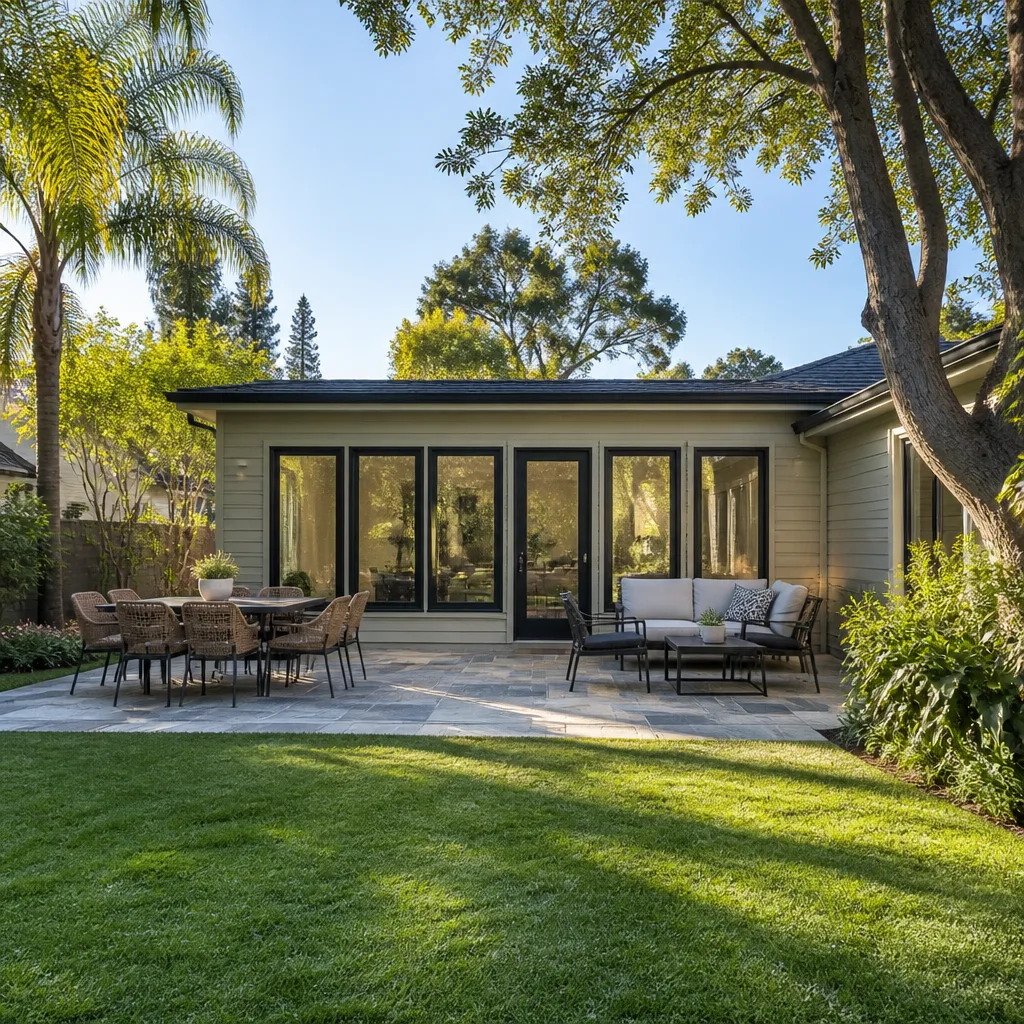
Most Dallas homes with Boral products fall into one of two camps. The first is older construction, particularly 1970s – 1990s homes, where Boral concrete roof tile went in as a premium roof that previous owners never quite maintained. The second is newer-updated or custom work in neighborhoods like Lake Highlands, Preston Hollow, and the M Streets, where Boral stone veneer or siding was specified at original build. If you’re not sure what you have, go outside and look at the roof edge. Boral concrete tile has a specific roughness to the visible surface: it looks almost like sanded stone, not the smooth pressed look of cheaper kiln-fired clay. The underside of an end tile usually carries a stamped “Boral” mark, but only if the roofer didn’t bury it under flashing. Most Dallas roofers we’ve cleaned up after never bother to leave the stamps readable.
For additions, the bigger question is whether your Boral product is still in production. Boral sold its North American concrete and clay roofing business to Westlake Royal in 2021. Some tile profiles were discontinued. That matters because a home addition trying to match a discontinued Boral tile profile has two options: find salvage, which works but carries its own supply risk, or reroof the visible planes of the addition and transition at the ridge. We’ve handled both, and the honest answer is that the salvage route saves money when it works, but Dallas supply of specific Boral profiles after a decade of Texas storms is thinner than most homeowners want to hear.
If you have Boral stone veneer, the same caveat applies: the specific stone profile and colorway may have shifted names after the Westlake acquisition. We physically match stone before we quote it, because a colorway that says “Summit Blend” in one product era often looks nothing like the newer run. If you’re adding on and the stone has faded from Texas sun exposure, we’ll discuss whether to match the original installed color or the faded color you’re actually living with now. Matching the faded color usually looks better long-term, but it’s a tradeoff most homeowners never get warned about.
Styles & brands we work with







Signs Your Boral Home Additions & ADU Project Is More Than a Simple Add-On
- Visible settling or hairline cracks at the existing structure’s corners. If the original home has moved since construction, tying into it cleanly requires pier work and possibly mudjacking. We’ve seen Dallas additions that were framed right onto a slab that had cracked 1/4″ years prior, and the first hard rain day turned a bathroom seam into a water channel. You fix the existing structure first, or you bake the problem into the new work.
- Roof tie-in points that leak after the first Texas gully-washer. Additions that tie into older Boral rooflines often fail at the valley flashing. If water stains show up at the seam between old roof and new within a year, that’s a flashing or underlayment issue, not a tile problem. We pull the tile, reflash the valley, and re-bed the tiles.
- Uneven floors or bounce across the existing joists. Before we add square footage, we walk the existing structure. Bounce means the framing we’re tying into was undersized to begin with, and adding weight upstream of it is asking for trouble.
- Garage conversions where the slab elevation doesn’t match the main house. Stepping down into a “new” bedroom is charming in a 1920s row house. In a 1990s Dallas ranch, it reads as a mistake. We fix the transition height before finish work.
- Zoning or setback conflicts you won’t know about until the city letter arrives. ADUs in Dallas have specific setback and lot coverage rules that depend on your specific zoning district and whether you’re in a residential neighborhood stabilization overlay. We pull permits and walk the survey before you commit money. This isn’t a “we’ll figure it out later” item.
See the difference
 Before
 After
After Before
 After
After Before
 After
AfterReplacement Cost & What’s Included
| Project Type | Dallas Installed Range |
|---|---|
| Home Addition (single room, 300 – 400 sq ft) | $45,000 – $75,000 |
| Home Addition (two rooms + bath, 500 – 700 sq ft) | $80,000 – $130,000 |
| ADU Construction (new detached unit) | $90,000 – $220,000 |
| Garage Conversion to living space | $30,000 – $80,000 |
What drives the spread, in plain terms: foundation type, roofline complexity, plumbing run distance, and whether you’re matching Boral roof or stone. A single-room addition on a simple gable roof with a short plumbing run lands near the bottom of the range. A two-room addition with a bathroom, a Boral tile roof match, and a kitchenette moves toward the top. Every quote we write includes the price in writing before work starts, itemized so you can see exactly where the dollars land. If the permit review changes something, we bring that to you before we spend a dime of your money on it. The work itself is covered by our 365-Day Done Right Promise: if something’s not right within a year of completion, we come back and fix it at no charge to you.
DIY or Call Us?
Home additions and ADUs are not DIY-adjacent. Foundation work, structural framing, roofing tie-ins, and especially Dallas permitting are the categories where weekend confidence ends and code compliance begins. The dangerous part here isn’t a single component, it’s the cumulative effect: an underbuilt wall won’t collapse on day one, it sags over three years until a door stops closing and the roof sheathing has flexed enough to crack the ceiling. By then the fix costs more than the original work should have. What you can do safely: measure your lot, pull your survey, note the RCP (residential close proximity) zone markings if you’re in an older Dallas inspection district, and call us with those numbers in hand. That saves a consult visit, and we’ll tell you over the phone whether what you’re picturing fits the property. Call (432) 302-8761 and ask for our free estimate. If I can’t get you a number, I’ll tell you exactly what stands between you and one.
FAQs
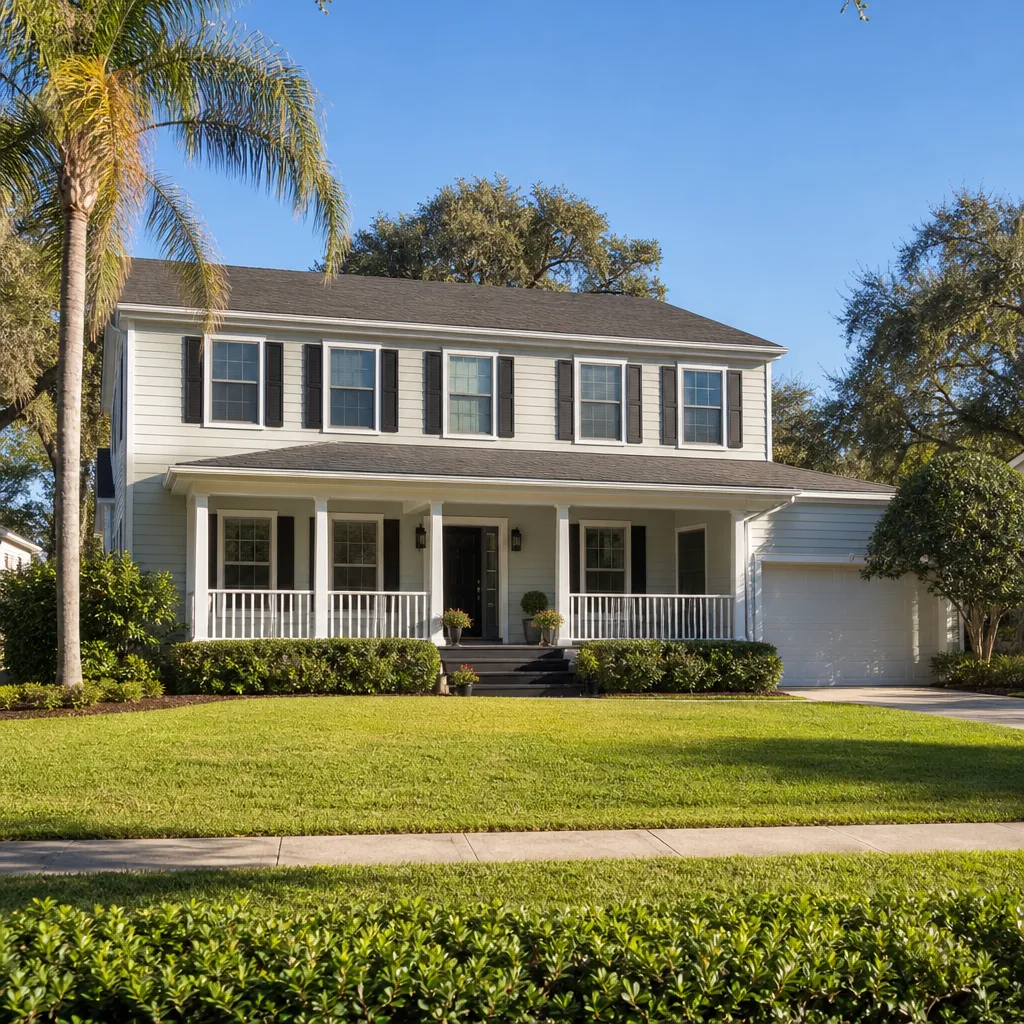
A properly built Dallas addition with a Boral-matching roof tie-in, correct flashing, and a solid foundation should last 50 – 80 years before major maintenance, with a roof tile refresh or re-bedding around year 30. The longest-lived part of the structure is the foundation; the shortest-lived parts are the flashing valleys and any exterior caulk joints, which we recommend re-inspecting every five years.
Yes, in most cases. If the issue is sagging joists, a cracked slab, or a failing roof valley, we repair the existing structure first and then add onto it. The only time rebuild makes more sense is when the existing framing was so undersized that sistering every joist would cost more than replacing them.
A single-room addition in Dallas typically runs 3 – 4 months from first foundation dig to final inspection, assuming no unusual permitting delays. An ADU runs 5 – 7 months. Garage conversions run 2 – 3 months. Weather for pure exterior work is usually workable in Dallas except summer peak, but Texas summer heat doesn’t soften schedule estimates, it just slows afternoon production.
We source per job. Our material partners for additions include Boral for concrete roof tile and stone veneer, and we coordinate directly with KraftMaid, Cambria, and Silestone for interior surfaces when a kitchen or bath is part of the scope. We don’t warehouse tile or stone because Dallas heat and a warehouse is how you end up with baked-tile color drift, and we’d rather not hand you a roof that doesn’t match the sample we showed you.
If you’re considering a Boral home addition or ADU in Dallas, call (432) 302-8761. We’ll walk your property, talk straight about numbers, and give you a written price before any work starts.
Written by Isaac Pruett, Owner, Mason Remodeling Co Dallas at Mason Remodeling Co Dallas, serving Dallas, Texas.


