
Free written scope consultation - allowances, timeline, and change-order rules on paper before a single trade is scheduled
Plant Prefab Home Additions & ADU: The Dallas Owner’s Guide
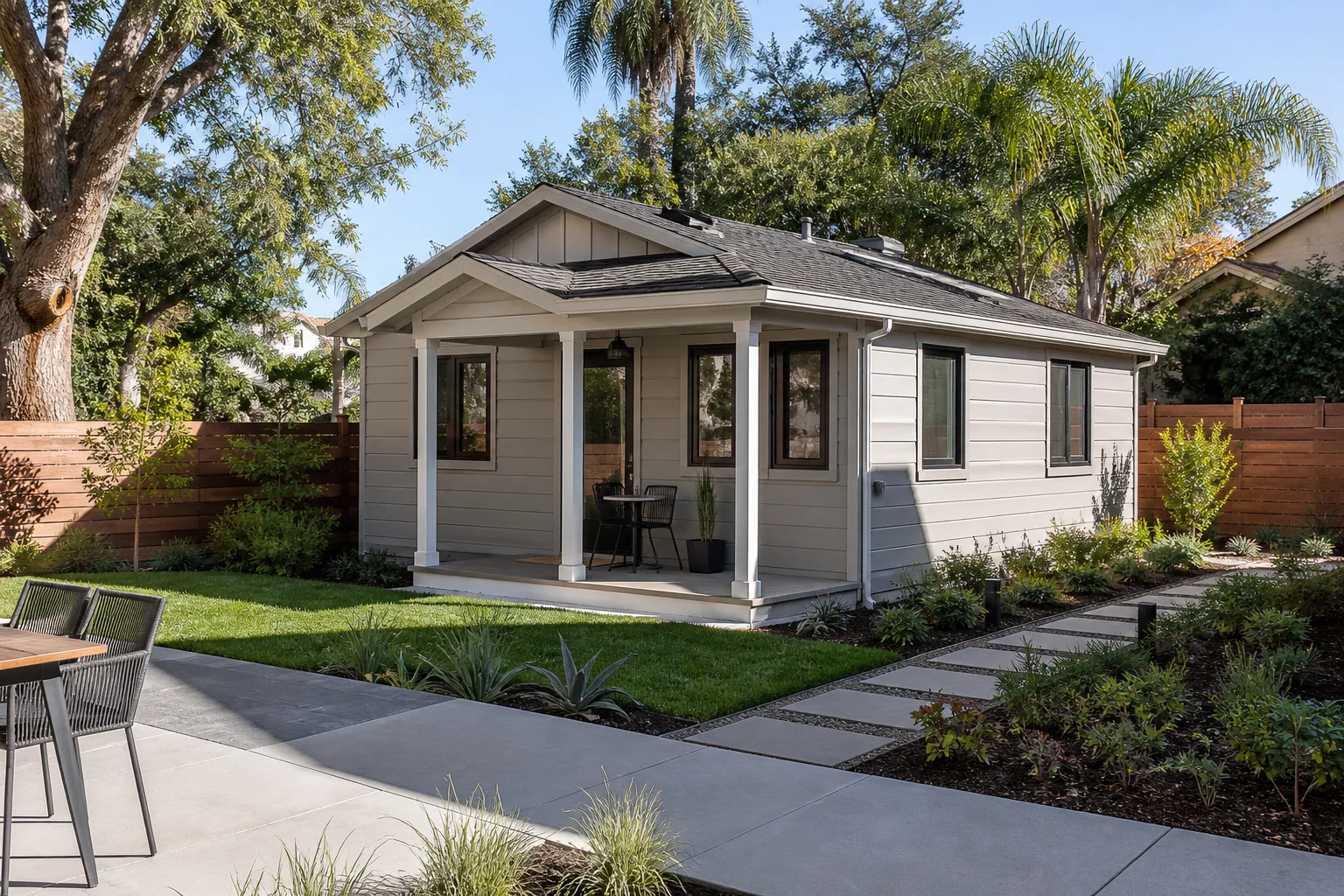
Adding a Plant Prefab home addition or ADU in Dallas typically runs $45,000 – $130,000 installed, depending on whether you’re expanding the main structure or building a detached unit. Most homeowners discover their prefab addition has a problem the same way: a door that suddenly won’t close square, a wall seam that opens up after a hard freeze, or a roofline that sags where the factory module meets the site-built foundation. We stock the panel fasteners, flashing, and sealant systems that match Plant Prefab’s construction specs, and we can usually diagnose a failing connection point in a single visit.
Let’s be clear about one thing up front: Mason Remodeling Co Dallas is an independent contractor. We’re not affiliated with Plant Prefab, and we don’t sell their modules. What we do is fix, tie in, and finish Plant Prefab structures after they’re on the ground in Dallas, and we’ve seen enough of them up close to know where they hold up and where they don’t in North Texas weather.
Which Plant Prefab Models This Applies To
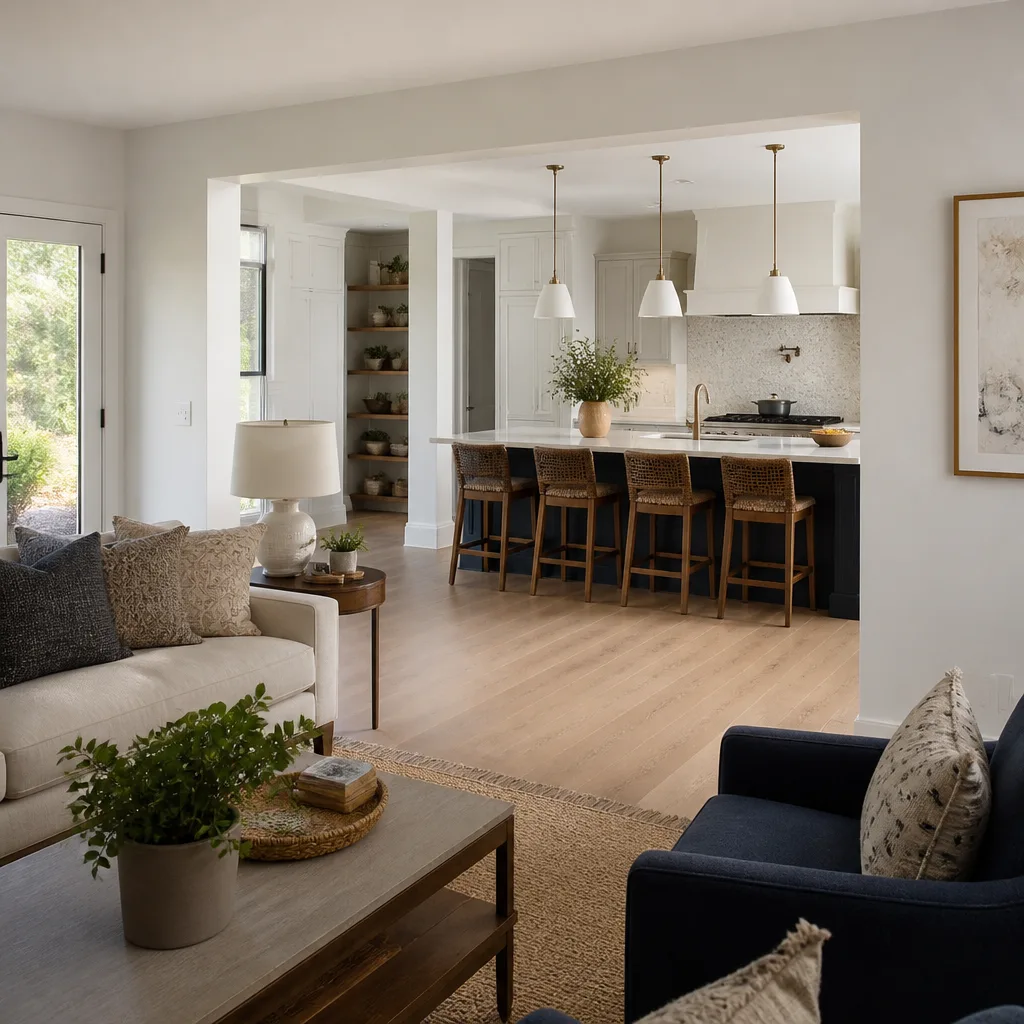
Plant Prefab builds a range of panelized and modular structures, and the home addition/ADU work we do in Dallas applies to their living units regardless of the specific series you purchased. What changes between models is the wall panel thickness and the connection hardware. Some Plant Prefab units arrive with standard 2×6 wood framing; others use light-gauge steel or structural insulated panels. The fasteners that work on one won’t hold properly on the other.
Here’s the compatibility gotcha most owners hit: the seam where a Plant Prefab module meets an existing home foundation or a site-built wall is rarely a clean match. Factory tolerances are tight; slab work around Dallas, especially in older neighborhoods like Oak Cliff or Lake Highlands, often isn’t. That’s why we don’t just order parts off a spec sheet. Isaac Pruett walks every job himself, measures the actual gap or failure point, and then matches the right panel connector or flashing to what’s actually there. If a factory-recommended part isn’t available, we source equivalent fasteners and sealants rated for the same load and exposure, and we’ll tell you exactly what we’re using and why.
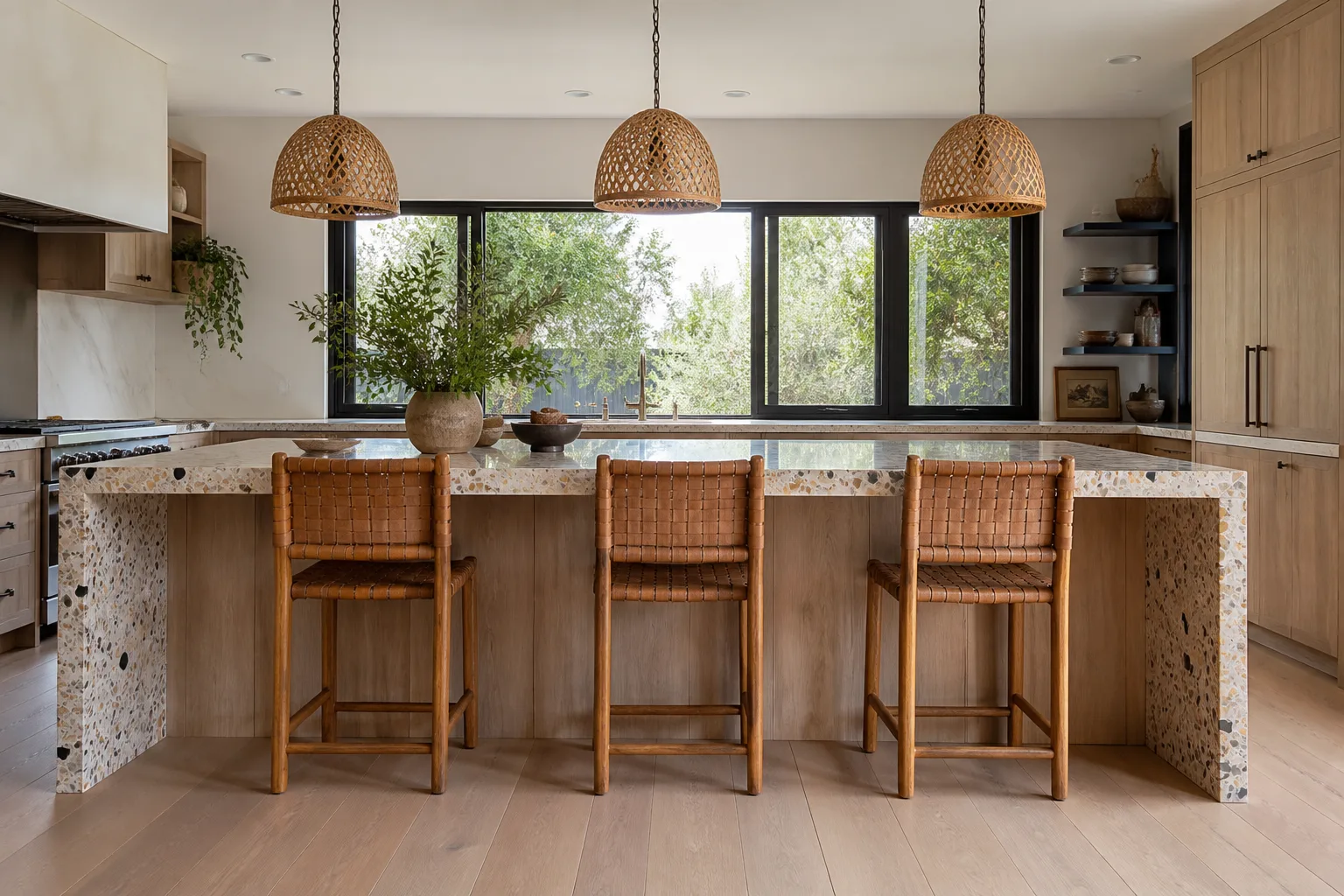
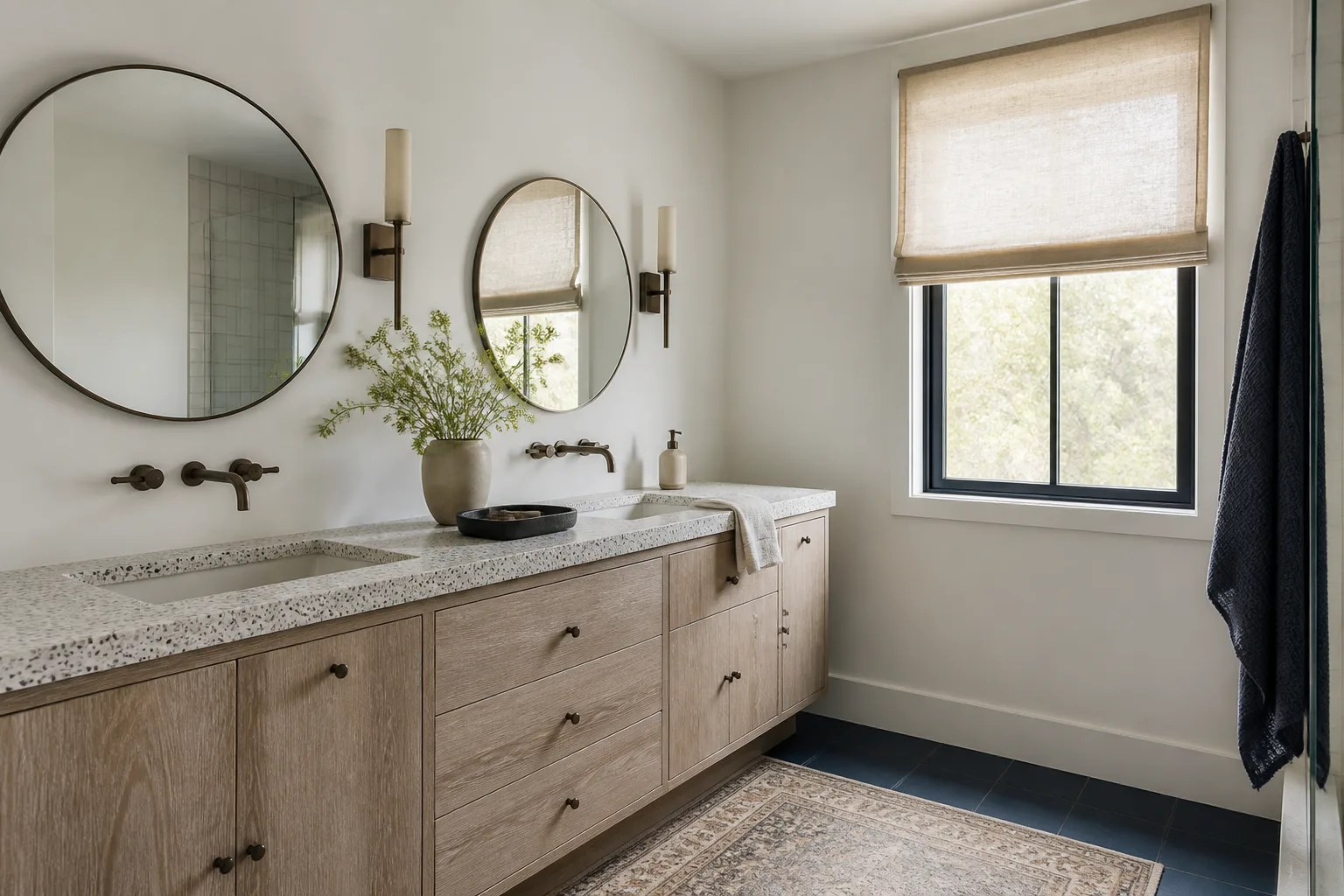
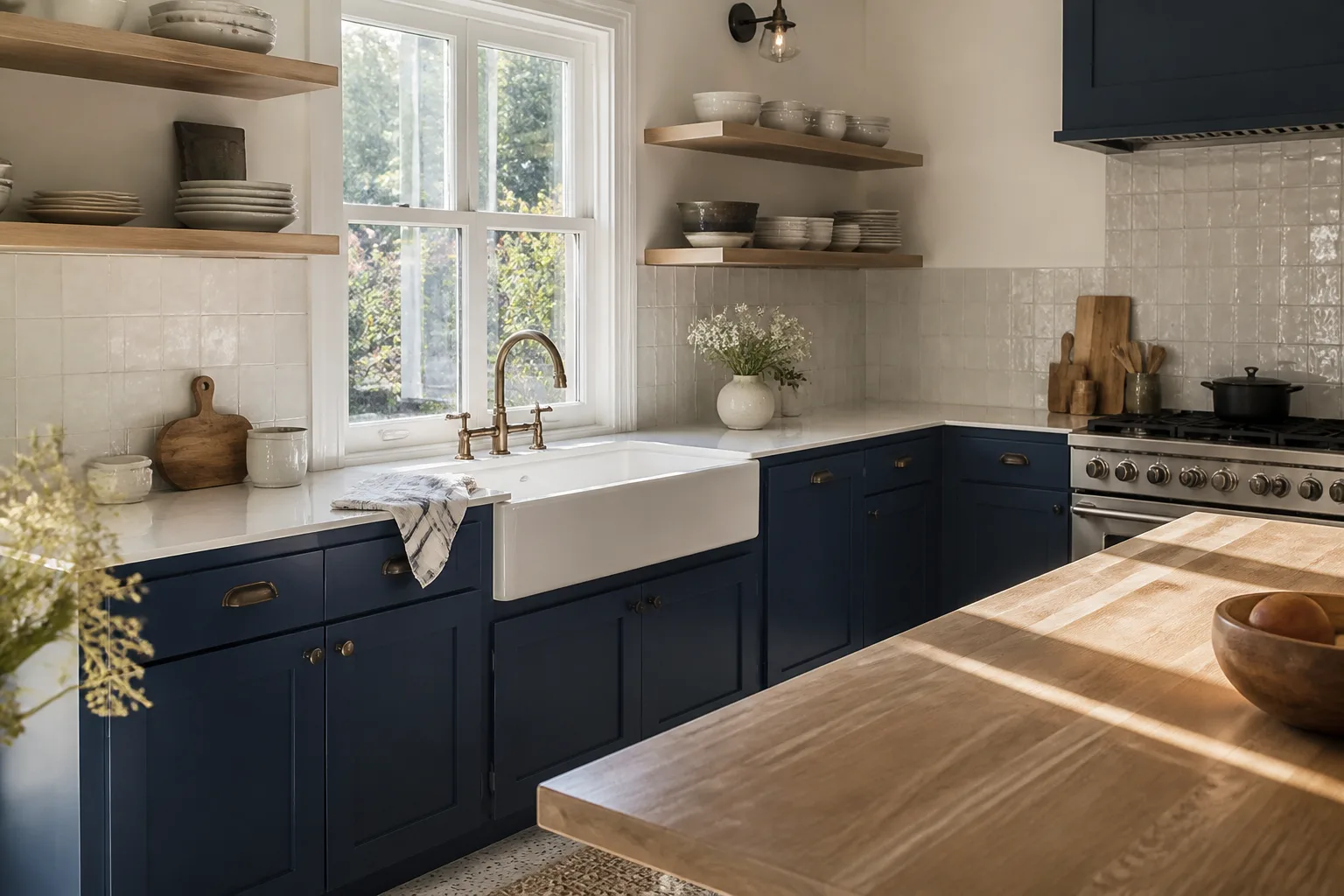
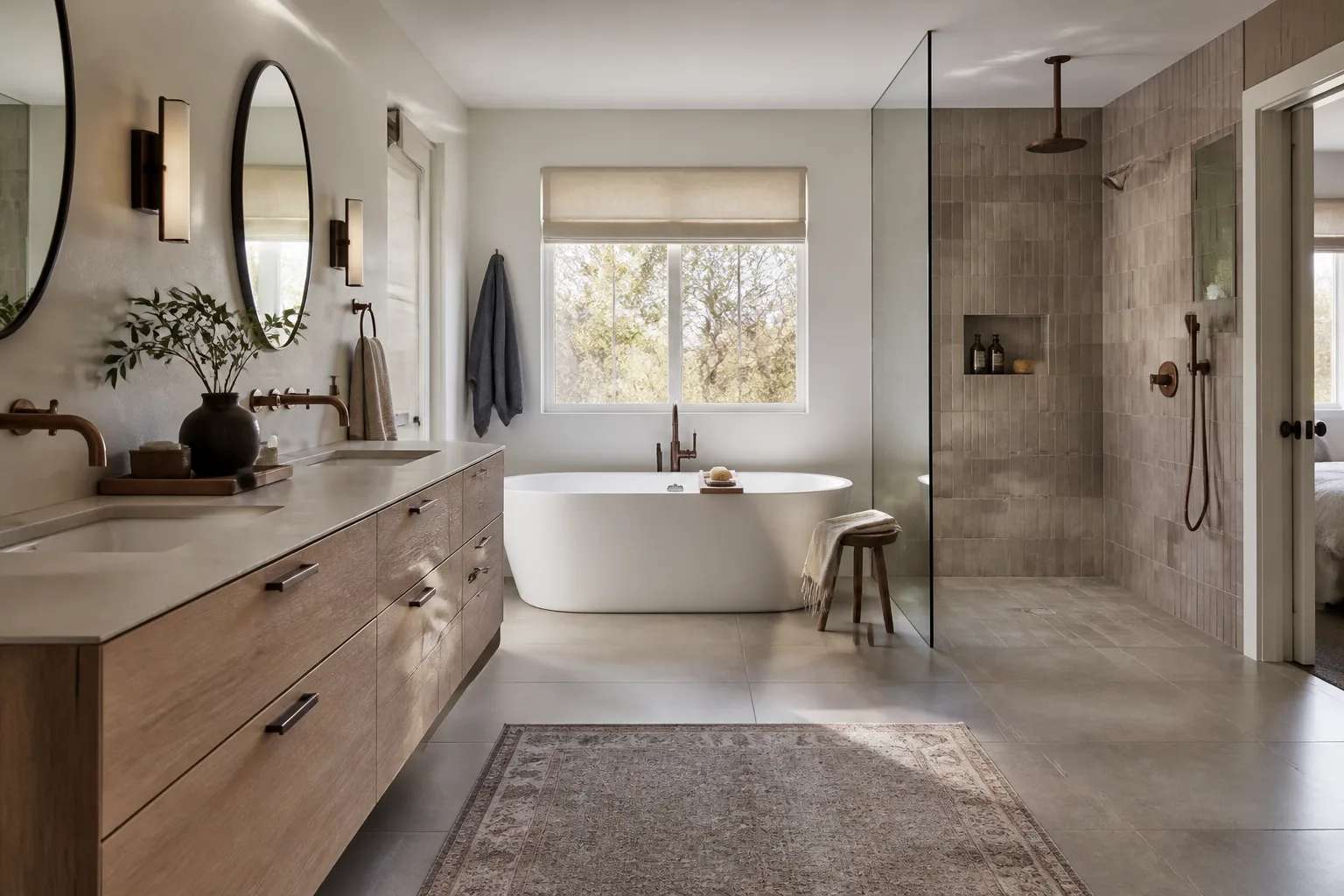
We also work with the brands Plant Prefab typically specifies for interior finishes, including KraftMaid cabinetry, and Cambria or Silestone surfaces, so if your addition includes a kitchenette or bath, the trim-out matches what the factory intended.
Styles & brands we work with







Signs Your Plant Prefab Home Additions & ADU Is Failing
- Wall-to-wall seam separation at the module joint. Factory panel joints move differently than site-framed walls, and Dallas’s freeze-thaw cycles and summer heat expansion will eventually pull tape and caulk loose. Left alone, water gets in and the opening grows.
- Doors that stick seasonally or won’t latch. A door that worked in March and binds in July usually means the addition has shifted relative to its foundation. The door is just the symptom; the underlying cause is a settling or connection issue at the base plate.
- Visible gaps where the roofline meets the main house or fascia. Plant Prefab roof cassettes are built to spec, but the tie-in to an existing roof is site work. This is the first place we see leaks in Dallas, especially after the kind of wind-driven storms that roll through in April and May.
- Soft spots or bubbling paint near window and door openings. Water intrusion around factory-installed flashing. The part itself is usually fine; the installation around it wasn’t sealed correctly for North Texas rainfall patterns.
- Audible creaking or popping when wind loads hit the addition. A little movement is normal in any structure, but consistent popping at the module-to-module connections means fasteners are backing out or were never torqued correctly on site.
See the difference
 Before
 After
After Before
 After
After Before
 After
AfterReplacement Cost & What’s Included
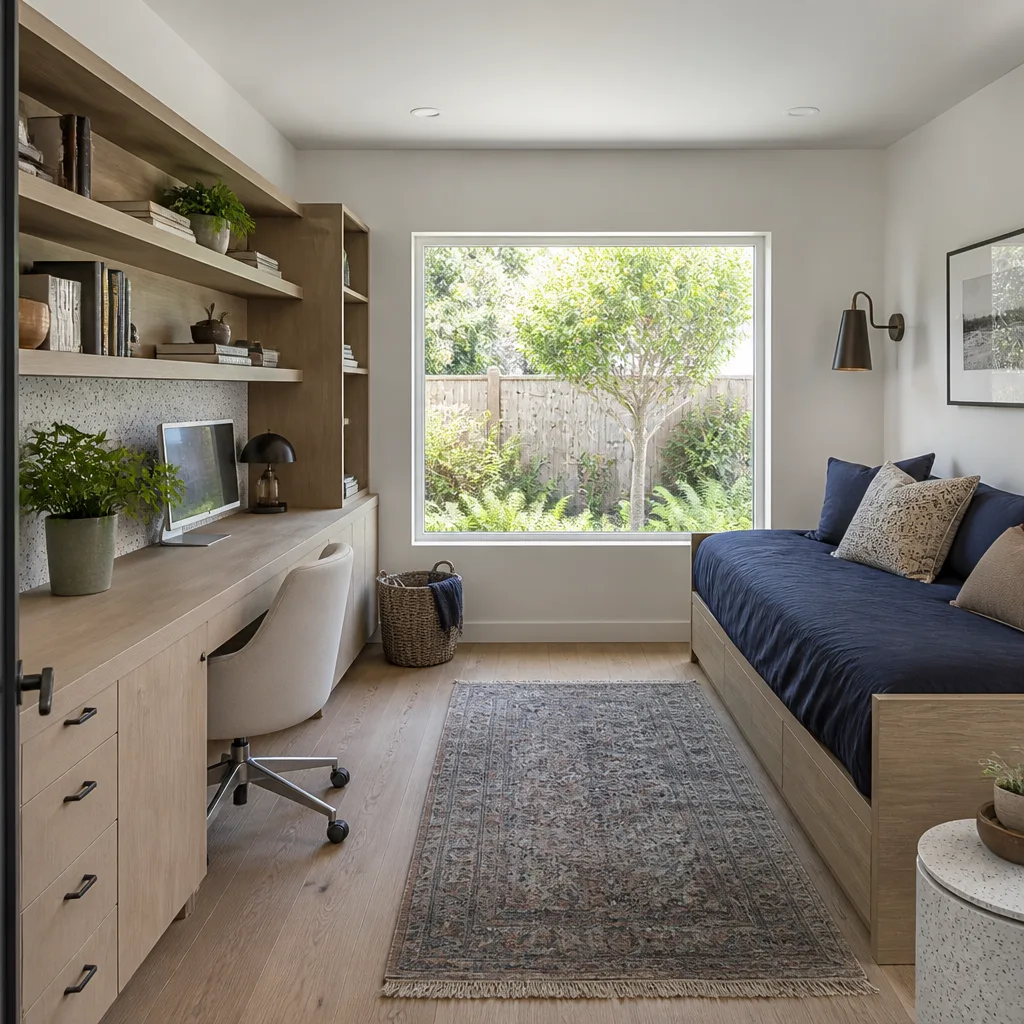
For a full Plant Prefab home addition or ADU project in Dallas, you’re looking at $45,000 – $130,000 depending on site work, foundation, utility tie-ins, and finishing. A detached ADU runs higher, typically $90,000 – $220,000, because it needs its own foundation, electrical service, and plumbing runs. If you’re converting an existing garage to living space using prefab panels, that lands between $30,000 and $80,000.
What drives the range in Dallas specifically: soil conditions. Much of the metro sits on expansive clay that swells when wet and shrinks when dry. That means foundation work for an addition or ADU is rarely just a slab pour. You may need piers, deeper footings, or soil treatment, and those costs swing by tens of thousands depending on where your lot sits. We give you a written line-item price before any work starts, so you know the foundation number, the panel number, the rough-in number, and the finish number separately. No changes are made to that price without your sign-off. Every job is covered by our 365-Day Done Right Promise: if something isn’t right within a year of completion, we fix it at no cost to you.
DIY or Call Us?
Some things an owner can safely check: interior caulk lines, visible gaps at flooring transitions, and whether doors have started binding since the last big storm. Those tell you something is moving, and you should document what you see before you call.
What you should not do yourself is try to re-tension a module connection, pull panel fasteners, or re-seat a wall section that has shifted off its foundation line. Prefab panels carry structural load, and a panel that’s partially disconnected can shift suddenly. We’ve seen homeowners try to winch a corner back into place and split the sill plate. That’s a five-figure mistake. If you’re seeing separation at a load-bearing seam or a sag in the roofline, call us at (432) 302-8761. We’ll come out, walk the structure, and tell you what’s moving, why, and what it costs to make it right.
FAQs
A properly installed Plant Prefab addition should hold its structural connections for decades, but the sealants and flashing at module seams typically need attention every 8 – 12 years in the Dallas climate. Extreme summer heat and clay soil movement shorten that window compared to coastal California, where most Plant Prefab buildings are concentrated. Call (432) 302-8761 and we can inspect your seams and tell you where you are in that cycle.
Yes, in most cases the connection hardware itself is fine; what fails is the sealant, the flashing, or the local wood around the fastener. We can often repair those without replacing panels or rebuilding. The exception is when the module has shifted laterally on the foundation, which usually requires re-aligning and re-anchoring the base. Exact repairs depend on what we find when we open the area up, and the price is set in writing before we touch anything.
For a full Plant Prefab addition or ADU in Dallas, plan on 3 – 6 months from foundation to final inspection, depending on utility work and city permitting. Repair work on an existing addition is usually measured in days, not months. We’ll give you a schedule in writing when we deliver your price, and Isaac walks the site before work begins to confirm what we’re actually working with.
We stock the common fasteners, flashing, and sealants used on Plant Prefab panel systems, and we can source what we don’t have within a few business days. If a specific factory part is backordered, we’ll offer an equivalent rated for the same structural load and weather exposure, and we’ll explain the substitution in plain language before you approve it. Call (432) 302-8761 for a free estimate and we’ll confirm what we can match.
Written by Isaac Pruett, Owner, Mason Remodeling Co Dallas at Mason Remodeling Co Dallas, serving Dallas and nearby areas.


