
Free written scope consultation - allowances, timeline, and change-order rules on paper before a single trade is scheduled
Quikrete Home Additions & ADU: The Dallas Owner’s Guide
Quikrete home additions and ADU projects in Dallas typically run $45,000 to $130,000 for a full addition, and $90,000 to $220,000 for a detached ADU with foundation, framing, utilities, and finishing. Mason Remodeling Co Dallas works with Quikrete products on foundations, slabs, and structural elements for these projects, and we give you a written price before any work starts. Most homeowners reach out to us because their Quikrete foundation or slab is showing cracks, spalling, or settlement, and they need to know whether the existing concrete can be saved or if the addition requires new work.
Here’s the thing about Quikrete in Dallas: our clay soil expands and contracts with moisture far more than people expect, and that movement finds every weak point in a concrete pour. We see it in North Dallas, Lakewood, Oak Cliff, and especially in newer subdivisions where the soil was heavily disturbed during original construction. The good news is most Quikrete-related failures in a home addition context are correctable, but you need straight answers about what failed and why before spending another dollar.
Which Quikrete Models This Applies To
Quikrete makes a range of concrete and masonry products, and the ones we work with most on Dallas home additions and ADUs are their 5000 PSI concrete mix, high-strength mortar mixes, and their fast-setting repair products. The compatibility question matters, because not every Quikrete product is suited for structural work. For load-bearing foundations and slabs under living space, you want a minimum 4000 PSI mix, and in Dallas, we typically spec 5000 PSI because of our soil movement and the occasional freeze-thaw cycle in January and February.
The OEM-versus-aftermarket conversation for Quikrete is a little different from, say, a KraftMaid cabinet hinge or a Cambria countertop seam. Quikrete products are a raw material, not a finished component, so “compatible” means the mix rated for the application, poured and cured correctly. We stock Quikrete 5000 PSI mix and their fast-setting repair products on our trucks for foundation repairs and addition footings, but we also specification-grade alternatives when a project calls for a different cure time or aggregate blend. The important part is that the concrete meets the structural spec, not which bag it came out of.
Styles & brands we work with







Signs Your Quikrete Home Additions & ADU Is Failing
- Horizontal cracks along the foundation wall or slab edge. This usually means lateral soil pressure from Dallas’s expansive clay. The soil swells when wet and shrinks when dry, pushing unevenly against the concrete. Hairline vertical cracks are often cosmetic, but horizontal or stair-step cracks need a structural look.
- Spalling or flaking concrete surface. This is common when Quikrete was mixed too wet during pouring or when de-icing salts were used on exterior slabs. The top layer separates and flakes off, exposing aggregate underneath. It looks bad and worsens with every freeze cycle.
- Doors and windows that suddenly stick or won’t latch. This is often the first sign homeowners notice before they see any concrete damage. A shifting foundation pulls framing out of square, and the doors tell you about it first.
- Visible gaps between the addition and the original structure. If you can see daylight or feel a draft where an addition meets the main house, that joint has moved. This is a structural concern, not a caulk-and-paint problem.
- Water pooling against the foundation after rain. Poor grading or a failed pour lets water sit against concrete, and over time that accelerates cracking and settlement. We see this frequently in East Dallas on lots that have been built up over decades.
See the difference
 Before
 After
After Before
 After
After Before
 After
AfterReplacement Cost & What’s Included
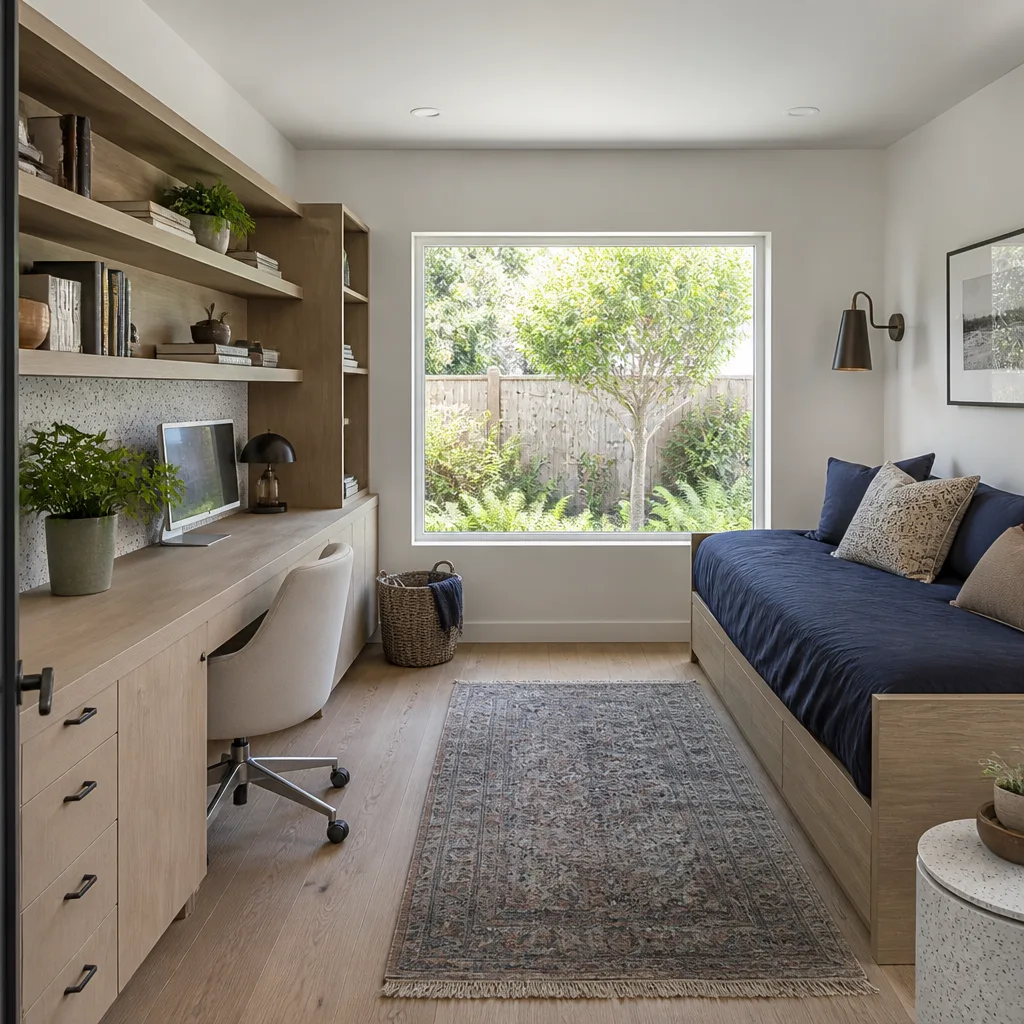
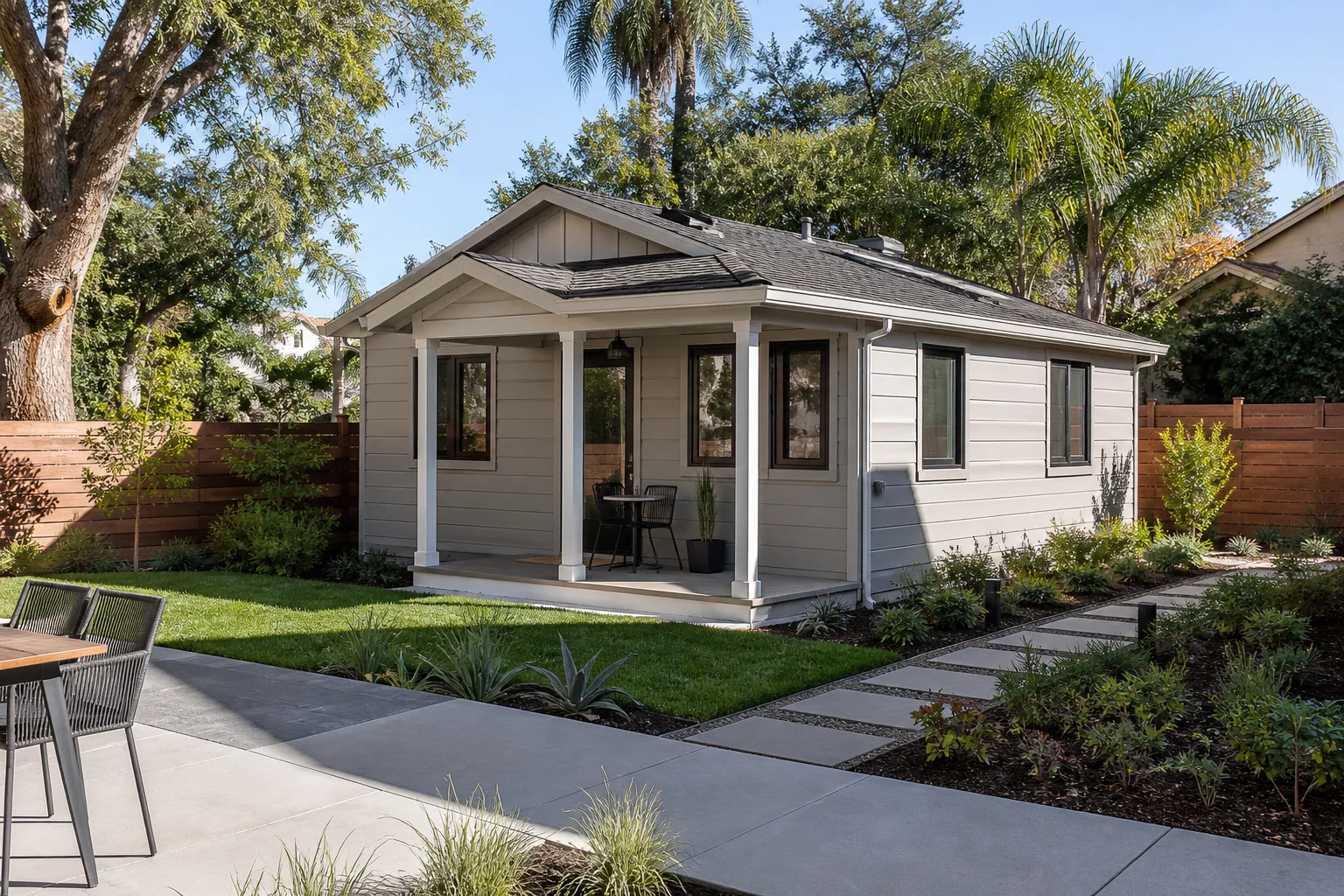
For a Dallas home addition using Quikrete products for the foundation and structural work, you’re looking at $45,000 to $130,000 depending on size, finish level, and whether you’re adding a single room or a full living wing with plumbing. A detached ADU runs $90,000 to $220,000 once you factor in separate utility connections, kitchen or kitchenette, and bathroom. Foundation repair alone on an existing Quikrete slab, when the slab can be saved, typically lands in the $4,000 to $12,000 range for crack injection, piering, or slab jacking.
Every Mason Remodeling Co Dallas quote includes the parts and materials, all labor, permits and inspections, debris removal, and a written line-item price before we order anything. Our 365-Day Done Right Promise covers the workmanship for a full year from the completion date. If something is not right, we return and fix it at no cost. No change orders on surprise discoveries, no verbal estimate that balloons later. You should know who is coming, what it costs, and what happens if something goes wrong, before we ever pick up a tool.
DIY or Call Us?
Some Quikrete work is genuinely manageable for a capable homeowner: patching a small spalled area, repairing a hairline crack with a Quikrete repair product, or re-grading a small area to move water away from the slab. If you can see the entire problem and it fits in a five-gallon bucket, it’s probably a weekend job.
Structural work is different. Pouring footings, re-pouring a slab section, addressing foundation settlement, or tying a new addition into existing framing is not a DIY project, and getting it wrong in Dallas means paying twice: once to remove the failed work, and again to do it right. We also want to be direct about safety here. Concrete work involves heavy materials, silica dust, and equipment that can injure you quickly if you’re not trained. If your Quikrete project involves anything structural, call us at (432) 302-8761. Estimates are free, and you’ll get a straight answer on whether it’s a repair or a replacement.
FAQs
A properly poured and cured Quikrete slab in Dallas should last 50 to 80 years, but our clay soil shortens that dramatically if the pour was not engineered for soil movement, drainage was not addressed, or the concrete was mixed too wet. Most failures we see are not from the product, but from installation shortcuts.
Most hairline and vertical cracks can be repaired with epoxy injection or polyurethane sealant, and we’ve saved countless slabs that other contractors wanted to tear out. If the crack is horizontal, wider than a quarter inch, or showing continuing movement, replacement may be the better long-term answer. Call (432) 302-8761 for an honest assessment.
A single-room addition typically takes 10 to 16 weeks from permitting to final inspection. A detached ADU runs 4 to 8 months depending on site preparation, utility work, and finish selections. Dallas permitting adds time to every project, and we pull all permits and schedule all inspections as part of the job.
Yes, we stock Quikrete 5000 PSI mix, fast-setting repair products, and mortar mixes on our trucks for foundation and addition work. We also stock specification-grade products from other brands including KraftMaid, Cambria, and Silestone for the finish work on kitchens and baths inside your addition. If your project needs something specific, we’ll have it ordered and on site before the crew arrives.
Written by Isaac Pruett, Owner, Mason Remodeling Co Dallas at Mason Remodeling Co Dallas, serving Dallas and nearby areas.


