
Free written scope consultation - allowances, timeline, and change-order rules on paper before a single trade is scheduled
Tremron Home Additions & ADU: The Dallas Owner’s Guide
If your Tremron home addition or ADU (accessory dwelling unit) is showing cracks, water intrusion, or settling that wasn’t there two seasons ago, here’s what you need to know before you spend a dime: a full home addition in Dallas runs $45,000 – $130,000, while a detached ADU typically lands between $90,000 – $220,000 depending on square footage, utility connections, and finish level. Most homeowners discover a structural problem the same frustrating way: a hairline crack near a window corner that widens after a heavy rain, or a door that suddenly won’t latch square. The good news is that most Tremron-related addition failures we see across Dallas are repairable before they become teardowns, but you need someone who can tell the difference in the first hour.
We’re an independent Dallas contractor, not a Tremron subsidiary or factory affiliate. That means our interest is in fixing your structure the right way, not selling you a particular product line. Mason Remodeling Co Dallas has been handling additions and ADU work in this market since 2004.
Which Tremron Models This Applies To
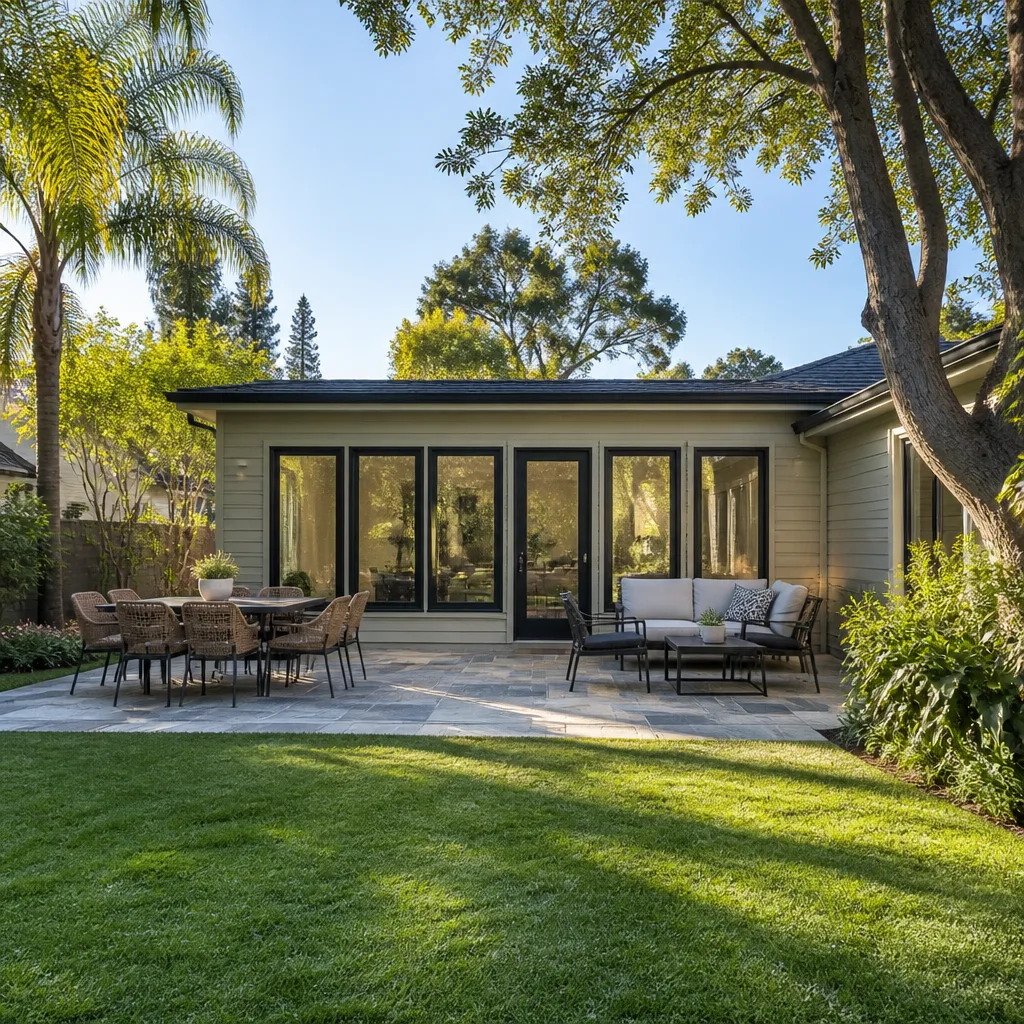
Tremron’s concrete pavers, retaining wall systems, and segmented block lines show up in Dallas additions more often than homeowners realize, especially in outdoor living extensions, ADU foundations, and perimeter walls. The compatibility issue that trips up most owners is this: Tremron manufactures products through multiple series lines (Stonegate, Olde Towne, and Holland variants are the ones we encounter most in Dallas), and those series do not all share the same joint width or base tolerances. A paver that looks identical at a glance can be off by a quarter-inch in module sizing, which causes running-bond patterns to drift over a 40-foot wall.
Check the underside of a loose paver or the back face of a retaining block. Tremron stamps a four-to-six character plant code and, on recent runs, a date code there. If that stamp is gone, measure the actual unit with a tape, width and depth, in millimeters, and compare against the spec sheet for your original series. Aftermarket equivalents from local Dallas masonry suppliers work fine for most applications, but we recommend OEM Tremron when the addition surface is load-bearing or when color matching matters, because Tremron’s dye lots vary less than aftermarket stone blends. For ADU foundation work, the real spec that matters is the compacted base material and geogrid schedule, not just the block itself.
Styles & brands we work with







Signs Your Tremron Home Additions & ADU Is Failing
- Stepped cracks climbing the block joints, not through the blocks. This means differential settling in the base. You’re seeing the wall rotate slightly as one end’s subgrade compresses. In Dallas, this often traces back to expansive clay soil that swells in spring rains and shrinks through July, not a faulty Tremron unit.
- Horizontal cracking in an ADU or addition wall at roughly the same height. That’s lateral pressure, usually from poor drainage behind the wall. Water builds up behind the face, freezes (yes, we get the occasional hard freeze), expands, and pushes. The block itself is almost never the problem, it’s the water management behind it.
- A door or window that sticks only after rain. Your addition’s slab edge or foundation perimeter is moving faster than the frame. This is the earliest warning sign we tell Dallas homeowners to watch for, because by the time the drywall cracks, the movement is no longer seasonal. It’s permanent.
- White, chalky powder blooming on face blocks or paver surfaces. Efflorescence. It’s cosmetic in most cases, but persistent blooms that keep reappearing after cleaning mean water is being wicked continuously through the wall. That water is doing more than staining the surface.
- Pavers rocking or “pumping” mud at the joints after rain. Base failure. The sand has washed out or the base was never compacted in lifts. Each rock is a lever working against its neighbors. One loose paver will grant you twenty loose pavers by next spring if left alone.
See the difference
 Before
 After
After Before
 After
After Before
 After
AfterReplacement Cost & What’s Included
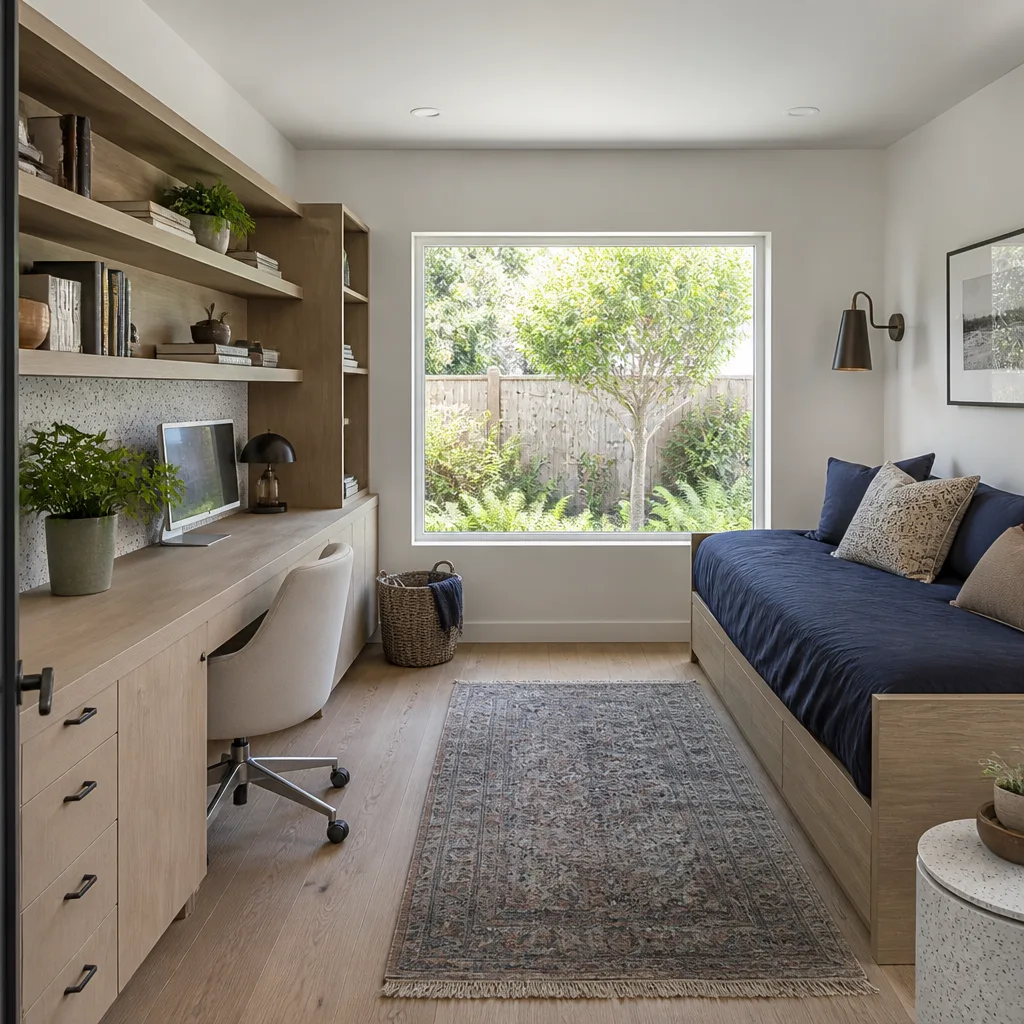
Here’s what Dallas homeowners should budget for Tremron-related addition and ADU work, installed:
- Paver patio extension or repair: $3,500 – $11,000
- Retaining wall rebuild (up to 6 ft): $4,000 – $10,000 depending on linear footage and drainage remediation
- Fixing compaction or settling under an existing addition floor: $3,000 – $18,000, heavily dependent on access and whether we’re mud-jacking, re-pinning, or pulling sections
- Full home addition (foundation-up): $45,000 – $130,000
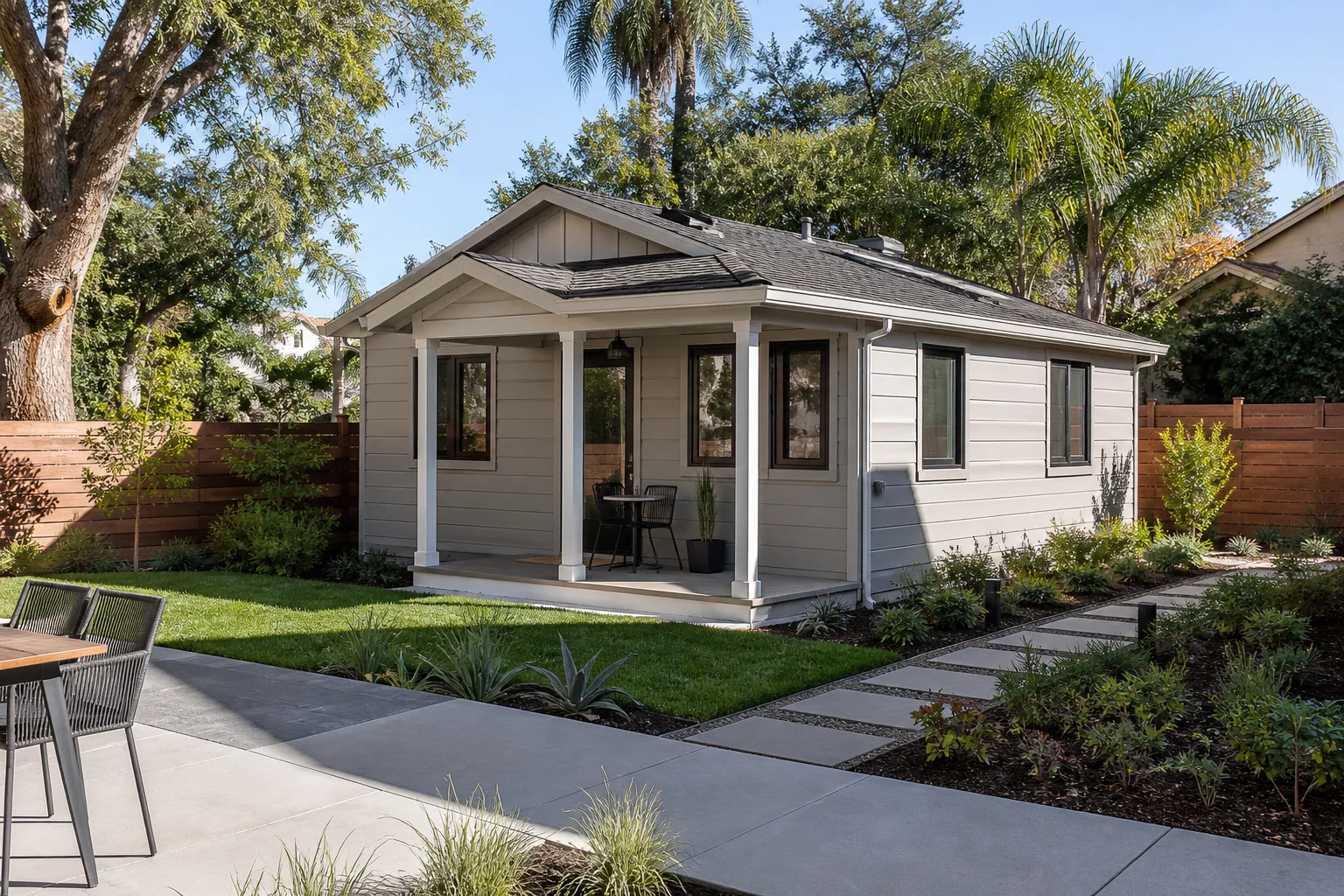
- Detached ADU construction: $90,000 – $220,000
- Garage conversion to living space: $30,000 – $80,000
The range is real because two Dallas jobs that look identical from the street can have completely different soil reports. A house in Oak Cliff built on Austin chalk needs different piering than a house near White Rock Lake sitting on shrink-swell clay. Every quote you get from us includes the parts and the labor as separate line items, plus the written price before we start. No change orders. If we find something unexpected once we open the wall, we document it, show you photos, and re-quote before proceeding, so you’re never surprised at the end. Our workmanship warranty runs 365 days from the completion date, and if something we did fails in that window, we come back and fix it at no charge.
DIY or Call Us?
The honest split is this: you can clean efflorescence yourself with a stiff brush and a vinegar solution, and you can re-sweep sand into paver joints where the base is still solid. Those are maintenance tasks, and doing them will teach you a lot about your structure. What you should not do is attempt to re-level a settled retaining wall, excavate a foundation edge, or tear out a cracked block course without understanding the load path above it. The weight of a failed retaining wall in Dallas clay, especially after a heavy rain, has injured more than one weekend warrior who underestimated it. Isaac Pruett has seen a “small” wall collapse mid-excavation and take a fence with it. You should know who is coming, what it costs, and what happens if something goes wrong, before we ever pick up a tool. Call (432) 302-8761 for an honest assessment of what can be saved and what needs to be rebuilt.
FAQs
A properly installed Tremron block or paver system on a properly prepared base should last 40 years or more, even in Dallas clay. We have seen 25-year-old retaining walls in Preston Hollow with no movement at all, and we have seen 8-year-old walls that were doomed by bad drainage. The lifespan is set in the first week of construction, by the base prep and the drainage plan, not by the block itself. Call (432) 302-8761 if you want an honest read on which category yours falls into.
Yes, in many cases. If the cracking is confined to one run of blocks and we have access behind the wall, we can often excavate, install proper drainage, re-pin the affected section, and keep the rest of the wall intact. If the foundation below the wall has rotated, a rebuild is usually less expensive long-term than stabilizing a failing section repeatedly. The free estimate will tell you which is which.
Tremron’s product density and freeze-thaw survivability are comparable to the bigger national brands. The real differentiator in Dallas is availability, since Tremron has a strong Texas distribution network, and cost. On a large paver driveway or patio, Tremron typically saves homeowners 10 to 15 percent compared to Techo-Bloc for a similar appearance. Where we steer clients toward Unilock or Belgard is when the color range or a specific modular system matters more than the bottom line. We also stock and install KraftMaid cabinetry, Cambria and Silestone surfaces in finished additions, so you’re not juggling five different contractors.
A typical paver patio or driveway section in Dallas takes 3 to 7 working days, depending on square footage and whether we’re cutting for curves and borders. A full ADU or home addition runs 8 to 16 weeks from demolition to final inspection. We give you a written schedule with each phase of work called out before we start, and if weather pushes us, we tell you the day we see the forecast, not the day you call wondering where we are. Call (432) 302-8761 for a timeline you can actually plan around.
Written by Isaac Pruett, Owner, Mason Remodeling Co Dallas at Mason Remodeling Co Dallas, serving Dallas and nearby areas.


