
Last updated October 15, 2026



Free written scope consultation - allowances, timeline, and change-order rules on paper before a single trade is scheduled
The Complete Guide to Construction in Dallas
Dallas sits on some of the most expansive clay soil in the country – the kind that can shift a foundation by inches in a single dry summer – yet most “complete construction guides” never mention it once. That’s the gap this guide closes. We’re going to walk through the soil, the permit offices, the hail cycles, and the pricing patterns that make construction in Dallas genuinely different from construction in Houston, Austin, or anywhere else. By the time you finish, you’ll know which questions to ask before you sign anything, what a real Dallas contractor’s credentials look like, and where most remodels in this city quietly go over budget.
Styles & brands we work with







Quick Answer
Construction in Dallas, Texas, means building on expansive black clay soil (primarily the Houston Black series), navigating multiple municipal permit offices with different timelines, and choosing materials that survive hail, triple-digit heat, and dramatic humidity swings. A typical mid-range bathroom remodel runs $18,000 – $35,000, a kitchen runs $35,000 – $75,000, and a room addition runs $120 – $220 per square foot depending on soil conditions and the jurisdiction you’re in; for a deeper look at how these figures break down, see our Construction Cost Breakdown: The Dallas Homeowner’s Reference for 2026. Plan for foundation evaluation on almost any addition, expect permit timelines from same-day (some suburbs) to 3 – 4 weeks (Dallas proper), and get a written price before any work starts.
Table of Contents
- Why Dallas Soil Changes Everything About Construction
- Dallas Permitting: One Metro, Four Very Different Processes
- What Construction Actually Costs in Dallas Right Now
- Hail, Heat, and Humidity: Materials That Win in Dallas
- How to Read a Dallas Contractor’s License and Insurance
- The Three Project Types That Run Over Budget in Dallas
- The Step-by-Step Construction Process in Dallas
- Common Mistakes to Avoid
- When to Call a Professional
- Frequently Asked Questions
- The Bottom Line
Why Dallas Soil Changes Everything About Construction
Dallas County sits on the Houston Black soil series – a heavy, clay-rich vertisol that expands when wet and contracts when dry. In a drought year, that movement can shift a slab foundation by two to three inches across a single season. In a wet year, the same soil swells back and heaves upward with enough force to crack brick veneer and separate door frames from their thresholds. This is not a theoretical concern. It is the single most common cause of structural calls we see in Dallas neighborhoods like Lake Highlands, Casa View, and Preston Hollow, where homes built in the 1950s through 1970s sit on slabs poured decades before modern soil engineering became standard practice.
What this means for any construction project:
- Room additions need a soil report before the foundation design. An engineer will specify pier depth based on the plasticity index of the soil at your address. Skip this step and you’re gambling. The piers might be fine. They might also be two feet too shallow.
- Floating interior finishes are your friend. In Dallas, a fully grouted porcelain tile floor can crack if the slab moves underneath it. Using a decoupling membrane or a floating click-lock floor absorbs movement and prevents cracked tile lines that look like the contractor’s fault but are actually the soil’s doing.
- Bathroom remodels on older slabs need a plumbing inspection under the slab. Cast-iron drain lines from the 1960s and 1970s are at the end of their service life in many Dallas homes. When we open a bathroom floor for a bathroom remodel in Dallas, we routinely find deteriorated cast iron that should be replaced before new tile goes down.
- Foundation repair and remodeling should be sequenced carefully. If your home needs both, do the foundation work first, let the house settle for 90 days, then start the remodel. Doing them simultaneously or in reverse order means freshly installed drywall and tile will crack within a year.
One more local factor: tree roots. Dallas’s heavy clay plus mature post oaks and pecans equals aggressive root systems that seek out the moisture differential around foundation edges and sewer lines. A pre-construction camera inspection of the main sewer line costs a few hundred dollars and has saved Dallas homeowners from discovering a cracked line after the new kitchen is already installed.
Dallas Permitting: One Metro, Four Very Different Processes
Construction in Dallas doesn’t answer to one building department. It answers to several, and they do not move at the same speed. If you’re planning a home remodel in Dallas, the jurisdiction your address falls in will determine how long you wait and how much you pay before a single tool is unpacked.
Here’s what we experience across the metro in 2025:
- City of Dallas (Dallas proper): The Sustainable Development and Construction department handles permits. Residential remodel permits typically take 2 – 4 weeks for review. Inspections are scheduled online and usually happen within 1 – 3 business days. The city requires registered contractors for most structural work, and the plan review process is more rigorous than most surrounding suburbs. Budget the time.
- Plano: Faster than Dallas proper in most cases. Many simple interior remodels get permits approved in under a week. Plano’s online permitting portal is straightforward, and inspectors are responsive. The tradeoff: Plano enforces its 2015 energy code amendments strictly, so window replacements and insulation upgrades need to meet specific U-factor and R-value requirements.
- Frisco: Among the fastest in Collin County for simple permits – some same-week approvals. Frisco’s building department is well-staffed and heavily digitized. But Frisco also has stricter water-conservation landscaping rules and stormwater drainage requirements that older neighborhoods in Dallas proper don’t deal with.
- Unincorporated Dallas County: No city permit office. You’re typically dealing with the county for septic or floodplain questions, but structural permitting is lighter. That sounds appealing until something goes wrong – there’s no municipal inspector verifying the work, which means the homeowner carries more verification responsibility themselves.
The lesson: ask your contractor which jurisdiction your address falls under before you sign, and ask them to name the specific permit fees for your project, since Construction Permits, Codes & Inspections in TX: What You Need to Know can vary sharply between Dallas proper and its suburbs. A contractor who does work in Dallas every week will know without hesitation. A contractor who hesitates is probably new to the metro, and you’ll feel that inexperience in your timeline.
What Construction Actually Costs in Dallas Right Now
Every market has a pricing personality. Dallas’s is shaped by high demand, a competitive subcontractor pool, and material costs that have stabilized somewhat since the 2021 – 2022 volatility but remain well above 2019 baselines. Here are realistic ranges for 2025, based on projects our team at Mason Remodeling Co Dallas has priced and completed across the metro.
- Bathroom remodel (mid-grade finishes, 5×8 to 8×10): $18,000 – $35,000. This includes a full gut, new tile, new vanity, new plumbing fixtures, and a new shower system. Higher-end finishes from brands like Kohler and Cambria push the range upward.
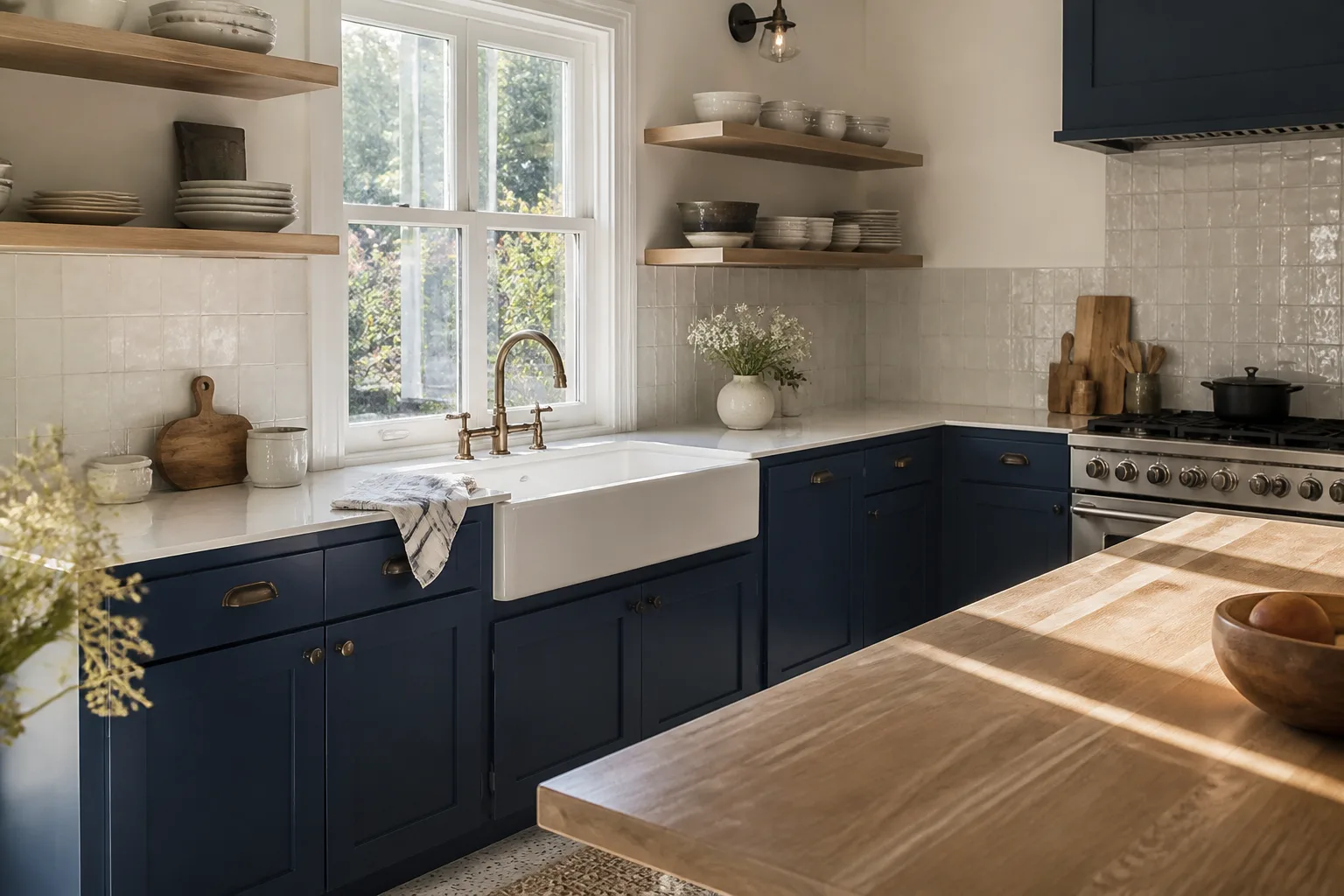
- Kitchen remodel (mid-grade, 150 – 250 square feet): $35,000 – $75,000. New cabinetry from a line like KraftMaid or Wellborn, new countertops, new backsplash, and new appliances fall in this band. Layout changes that move plumbing or gas lines add $5,000 – $10,000.
- Room addition (300 – 500 square feet): $120 – $220 per square foot, so roughly $36,000 – $110,000. The wide range reflects soil conditions, foundation type, and whether the addition includes plumbing (like a new bathroom or laundry). A slab-on-grade addition with a simple gable roof sits at the low end. A pier-and-beam addition with a bathroom and complex roofline sits at the high end.
- Whole-home remodel (2,000 – 3,000 square feet): $150,000 – $400,000 depending on scope, structural work, and finish level. This is where the written-price process matters most: a verbal “somewhere around $250k” rarely survives contact with the final invoice.
Here’s what drives Dallas pricing that other metros don’t see:
- Foundation prep: In a city built on expansive clay, almost every addition needs a soil report ($1,500 – $3,000) and sometimes piers ($200 – $400 each, and an addition might need 15 – 30 of them). That’s $5,000 – $15,000 of cost that a remodel in a different soil region wouldn’t have at all.
- Hail-rated roofing and materials: Dallas sits in a high-frequency hail corridor. Upgrading to a Class 4 impact-rated roof adds $3,000 – $8,000 versus a standard architectural shingle, but it typically pays for itself through insurance premium reductions over 5 – 7 years.
- Demand pressure on subcontracted trades: Electricians and plumbers in Dallas are booked solid. Scheduling a rough-in inspection during peak season (March – June, September – November) can add a week or more to a project timeline. That labor scarcity also keeps prices firm.
For a complete breakdown of what a general contractor should line-item for you, see our guide to hiring a general contractor in Dallas. And when you do get a price, make sure it’s written. Verbal estimates in this market are not estimates – they’re opening bids.
Hail, Heat, and Humidity: Materials That Win in Dallas
Dallas’s climate punishes the wrong material choices quietly and then all at once. The average Dallas roof takes hail strikes every 7 – 10 years that are severe enough to warrant an insurance claim. Summer attic temperatures regularly reach 140 – 160°F. The humidity swings between a dry 20% in January and a swampy 80% in July. Every one of those conditions should shape what you install.
Here’s what holds up in Dallas and what doesn’t:
- Roofing: Class 4 impact-rated shingles from GAF, CertainTeed, or Owens Corning are the standard choice for Dallas homeowners who plan to stay in the home more than five years. The alternative, a standard Class 3 architectural shingle, costs less upfront but gets replaced more often and triggers higher insurance deductibles for hail claims. Metal roofing is gaining ground in neighborhoods like East Dallas and Kessler Park, where homeowners want a 50-year life and improved thermal performance.
- Exterior cladding: Brick – real, full-bed brick, not thin veneer – remains the most common Dallas exterior because it shrugs off hail and absorbs the thermal cycling that cracks stucco. But not all brick installations are equal: the weep holes need to stay clear, and the wall assembly needs a proper air gap. Cheap veneer work fails in Dallas within a decade.
- Windows: Look for a minimum SHGC (solar heat gain coefficient) of 0.25 or lower on west-facing glass. Dallas’s afternoon sun is brutal, and the right window specification can cut cooling costs by 10 – 15% in a typical 2,500-square-foot home.
- Interior flooring: Solid hardwood is beautiful but humidity-reactive in Dallas. If you want the look, choose engineered hardwood with a plywood core, which stays dimensionally stable through our humidity swings, or go with a premium LVP product that won’t telegraph cracks when the slab moves.
- Exterior paint: Use a 100% acrylic exterior paint in a light reflectance value (LRV) of 55 or higher on any surface that faces direct afternoon sun. Dark colors on Dallas’s west-facing walls fade, chalk, and break down the paint film years sooner.
For hardscaping and fencing work, Dallas homeowners increasingly choose products from suppliers like Master Halco and Barrette because their treated lumber and vinyl lines are engineered for high-UV, high-heat climates. A cedar fence installed in Dallas without a solid UV-protective stain will gray out within 12 months and start cupping within three years.
How to Read a Dallas Contractor’s License and Insurance
Texas doesn’t license general contractors at the state level the way California or Florida does. Instead, specialized trades are licensed through TDLR – the Texas Department of Licensing and Regulation – while general contractors operate under a patchwork of city registrations, trade-specific certifications, and the court of public reputation. This creates confusion, and disreputable operators exploit that confusion.
Here’s what to actually check before you hire a contractor in Dallas:
- TDLR registration (where it applies): Electricians, plumbers, and HVAC technicians must hold TDLR licenses. Ask for the license number for any subcontractor doing that work, then verify it on the TDLR website. A contractor who won’t provide sub license numbers is either using unlicensed labor or doesn’t know who’s actually doing your work. Neither is acceptable.
- City of Dallas contractor registration: If your project is inside Dallas city limits, the general contractor must be registered with the city’s Sustainable Development and Construction department to pull permits. Verify this before signing. Ask for their registration number and check it against the city’s online database.
- General liability insurance: Demand a certificate of insurance (COI) naming you as an additionally insured party. The minimum you want to see is $1 million per occurrence, $2 million aggregate for general liability. Workers’ compensation is separate and legally required if the contractor has employees in Texas – ask for proof, because many small operators skip it and leave the homeowner exposed if a worker is injured on your property.
- What TDLR registration does NOT cover: It does not verify workmanship quality. It does not mean the company is solvent. It does not mean the company has ever completed a project like yours. It verifies that a person passed an exam and maintains their license. That’s it. Quality signals come from looking at actual finished projects, talking to past clients in Dallas, and reading the written guarantee terms before you sign.
At Mason Remodeling Co Dallas, every crew member arrives under what we call the Threshold Standard: background-checked, identity-verified, in a clean marked uniform, with photo ID shown at the door. You receive the technician’s name and photo before the visit. That protocol exists because this city has seen too many homeowners hand their house key to a stranger who was never vetted by anyone.
The Three Project Types That Run Over Budget in Dallas
Every city has its budget-busters. In Dallas, they are predictable, and the upstream decision that prevents each one is almost always made in the first week of planning-our Construction Warning Signs: A Dallas Homeowner’s Reference Guide covers the red flags to watch for.
- Bathroom remodels over slab foundations. The overrun culprit is under-slab plumbing. If the home was built before 1980 and the bathroom floor is opened up, there’s a meaningful chance the cast-iron drain lines are compromised. Replacing a section of under-slab drain adds $4,000 – $8,000 and 3 – 5 days to the schedule. The prevention: run a camera inspection of the bathroom drain lines before finalizing the scope. It costs $300 – $500 and tells you whether to budget for pipe replacement or proceed with confidence.
- Kitchen remodels that move the sink or range. Relocating plumbing or gas lines in a slab-on-grade Dallas home means cutting concrete – and that’s where costs pile up. A simple sink move across the kitchen can run $5,000 – $10,000 once the slab is opened, the lines are rerouted, and the slab is repaired. The prevention: design the new kitchen around existing plumbing and gas locations as much as possible. Keep the sink on the same wall and the range on the same gas stub-out, and the remodel budget stays predictable.
- Room additions that trigger full foundation engineering. A small “bump-out” addition sounds simple until the engineer requires piers drilled to 15 – 20 feet because the soil’s plasticity index at your address is high. Pier foundations for a 400-square-foot addition can run $15,000 – $30,000, which is often 25 – 35% of the total addition budget. The prevention: get the soil report before you get emotionally attached to the design. The soil report tells the engineer what the foundation needs, and the foundation quote sets the real project budget.
In our experience, the Dallas homeowners who avoid overruns share one habit: they ask for a written, line-item price before work begins, and they ask what happens if subsurface conditions change. If a contractor can’t articulate what a change order looks like for slab plumbing or pier depth, they haven’t done enough Dallas work to be trusted with yours.
The Step-by-Step Construction Process in Dallas
Every remodel follows a version of the same sequence, but Dallas’s soil, permit offices, and inspection schedules stretch certain steps in ways that out-of-state contractors don’t always anticipate.
- Initial consultation and written price. On our projects, this always includes a line-item written estimate. No verbal ballpark. No “we’ll figure it out as we go.” If the contractor can’t produce a written number, keep looking. For Mason Remodeling Co Dallas home projects, this price is delivered before any work begins, every time.
- Permit application (timeline varies by jurisdiction). Dallas proper runs 2 – 4 weeks on most residential remodel permits. Plano and Frisco can clear in under a week. Unincorporated county has almost no permitting step. This step determines your project start date, so pin it down early.
- Demolition and subsurface discovery. This is where slab conditions, cast-iron plumbing, and hidden termite damage emerge. In Dallas, this is the step where budgets either hold or break. A contractor who doesn’t warn you about this step in advance hasn’t prepared you for how Dallas construction actually works.
- Rough-in and first inspection. Framing, plumbing, electrical, and mechanical work goes in, then a city inspector verifies it before drywall covers it up. Inspection scheduling in Dallas proper typically runs 1 – 3 business days. In peak season, it can stretch longer.
- Finish work and final inspection. Tile, cabinetry, paint, trim, fixtures. Then the final inspection closes out the permit. This is also where the written guarantee should be delivered – with terms stated plainly, including what’s covered, what’s excluded, and for how long.
One labor reality worth stating plainly: Dallas is short on skilled trades, especially electricians and tile installers. A contractor whose schedule is wide open this month might be open for a reason. The good ones are booked 4 – 8 weeks out, and that backlog is often a signal of steady quality, not inefficiency.
Common Mistakes to Avoid
- Skipping the soil report on an addition. In Dallas, this is the most expensive mistake you can make. A $2,500 soil report prevents a $20,000 foundation surprise. On expansive clay, guessing is not a strategy.
- Hiring a contractor whose price is suspiciously low. Dallas’s labor market is competitive but not charitable. If a bid comes in 30 – 40% below everyone else, the difference is almost certainly unverified labor, unpermitted work, or materials that won’t survive our climate. Or all three.
- Signing a contract without a written line-item price. In this market, verbal estimates grow. Written prices don’t. It’s that simple. A contractor who won’t put it in writing before work starts is telling you exactly how the project will end.
- Choosing exterior materials for aesthetics only. A dark, west-facing wall in Dallas loses its paint film years early. A non-impact-rated roof in a hail corridor gets replaced on the insurance company’s schedule, not yours. Climate has a vote in every material choice.
- Ignoring the jurisdiction difference. The permit timeline for a Frisco remodel and a Dallas remodel can differ by three weeks. If your contractor only works in one of those markets, they’ll mislead you about the other – not deliberately, but from inexperience. Ask which permit office your address falls under and how their process works.
- Waiting until peak season to start. Spring and fall are Dallas’s busiest construction windows. Starting a project in June or July means competing with every other homeowner for the same inspectors, the same subs, and the same materials. Starting in December or January often means faster inspections and better sub availability.
When to Call a Professional
Some Dallas construction jobs are DIY-appropriate: painting a bedroom, swapping a faucet, hanging a few sheets of drywall. Others are not, and the threshold is usually structural or safety-related. Call a professional when the work involves foundation evaluation, slab cutting, moving plumbing or gas lines, roofing replacement, any electrical work beyond swapping a fixture, or any project that requires a permit and an inspection. These jobs involve genuine risk to you, your home, and the people doing the work, and a mistake on expansive clay soil can cost more to fix than the original project would have cost to build properly. Mason Remodeling Co Dallas offers free estimates in Dallas – call (432) 302-8761 to schedule yours.
Frequently Asked Questions
A mid-range bathroom remodel in Dallas typically runs $18,000 – $35,000, a kitchen runs $35,000 – $75,000, and a whole-home remodel on a 2,000 – 3,000 square foot home runs $150,000 – $400,000 depending on scope and finish level. For an exact quote on your project, call (432) 302-8761 – written estimates are free.
A bathroom remodel typically takes 3 – 5 weeks, a kitchen 6 – 10 weeks, and a room addition 3 – 6 months from permit to final inspection. The biggest variable is which Dallas-area jurisdiction handles your permit: Dallas proper adds 2 – 4 weeks on the front end, while suburbs like Plano and Frisco often clear permits in under a week.
Yes, for almost any structural, electrical, plumbing, or mechanical work inside Dallas city limits. Cosmetic work like painting and flooring replacement generally doesn’t require one, but moving a wall, adding a bath, or relocating a sink does. Your contractor should handle the permit application and inspection scheduling as part of their scope.
Expansive clay soil is the biggest structural risk. The Houston Black soil series under most of Dallas County moves significantly with moisture changes, which affects foundations, slab plumbing, and any room addition. A soil report and an engineered foundation are non-negotiable for additions.
It shouldn’t, if the contractor provided a written line-item price before starting and disclosed how subsurface discoveries will be handled. The only legitimate change-order triggers in Dallas are hidden conditions: compromised under-slab plumbing, unexpected foundation issues, or termite damage that couldn’t be seen during the estimate. A contractor who can’t explain their change-order policy in writing hasn’t done enough Dallas work to be trusted with your project.
General contractors in Texas aren’t licensed at the state level, but they must be registered with the City of Dallas to pull permits inside city limits, and their electrical, plumbing, and HVAC subs must hold TDLR licenses. Always ask for the contractor’s city registration number and the subs’ TDLR license numbers, then verify both. Call (432) 302-8761 to talk through what to check – we’re glad to walk you through it.
The Bottom Line
Construction in Dallas is a study in local variables. The soil moves. The permit offices don’t move at the same speed. The hail comes every 7 – 10 years whether you’re ready or not. A successful project in this city starts with a soil report where required, a written line-item price from a contractor who works in your specific jurisdiction, and materials chosen for Dallas’s actual climate rather than a Pinterest board. Get those three decisions right and the rest of the project follows. Get any one of them wrong and you’ll pay for it twice. If you’re planning a remodel anywhere in the Dallas metro, start with a written estimate from someone who works here every day, and explore our more guides & resources to keep your project on track.
Written by Isaac Pruett, Owner at Mason Remodeling Co Dallas, serving Dallas since 2004.
See the difference
 Before
 After
After Before
 After
After Before
 After
After

